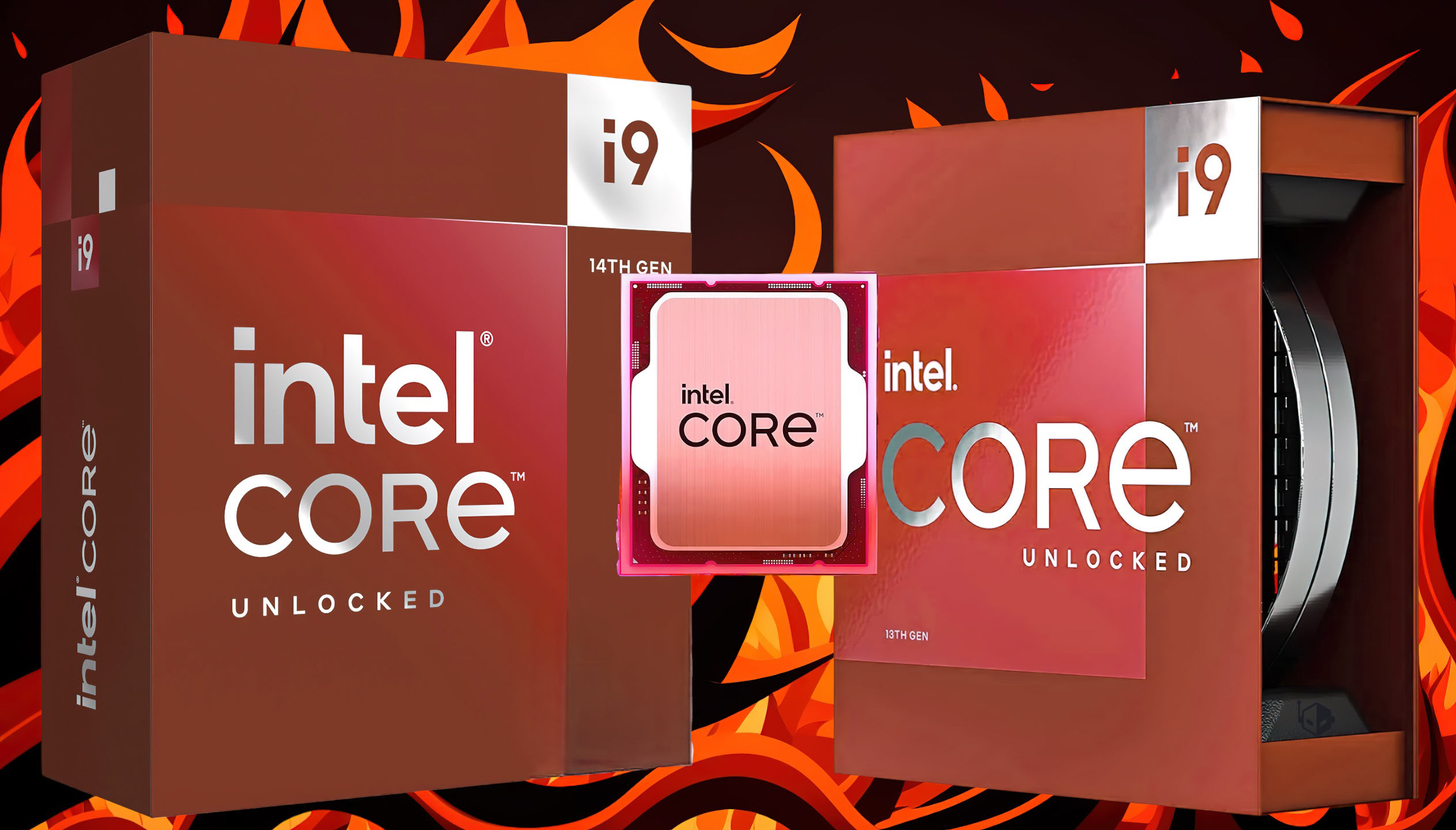
Intel has acknowledged a significant instability issue impacting its 13th and 14th Gen CPUs and has traced the problem back to a buggy microcode associated with the Enhanced Thermal Velocity Boost (eTVB) feature. This microcode malfunction has been identified as the root cause of performance instability and, if unresolved, could lead to the degradation of processors over time.
### Discovery of Instability Issues
The first indications of instability in Intel’s 13th and 14th Gen CPUs appeared over a year ago in online forums and gaming discussion boards, where users reported consistent problems. As these issues became more prevalent, the seriousness of the situation garnered broader attention, with users reporting repeated game crashes, Blue Screens of Death (BSOD), and failure to boot up, suggestive of potential CPU degradation.
### Initial Fixes and Performance Concerns
In an attempt to rectify the problem, Intel urged its board partners to restore “Intel Default Settings” as the default power limits for affected CPUs. However, this mitigation strategy came at a cost, significantly reducing CPU performance. This sudden change in performance potential forced reviewers and technology outlets to reassess and republish their analyses based on these new, stable settings.
### The Core Problem: Faulty Microcode and eTVB
At the heart of the CPU stability issue was a flawed value within the microcode algorithm connected to eTVB. This function, specific to Unlocked CPUs in the 13th and 14th generations, was causing a malfunction in frequency and voltage regulation, especially at high temperatures, thereby reducing processor reliability. Affected CPUs have been found to degrade faster, particularly under conditions of elevated temperature that occur during intense computing tasks or in hot environments.
The table below illustrates the altered default settings for Processor Base Power (PL1) and turbo power levels (PL2 and PL4) to manage the issue prior to a more permanent solution:
To address this problem permanently, Intel is set to release a new Bios update that includes an updated microcode (version 0x125 or later). This new microcode specifically targets the eTVB issue and is expected to rectify the elevated temperature performance state problem without the need to reduce performance benchmarks drastically.
Intel advises customers to update their BIOS with this new microcode by July 19, 2024. While it is currently unclear whether failing to update the BIOS will affect the warranty or whether Intel will provide an extended warranty due to the potential degradation of CPUs, users are encouraged to apply the update to maintain CPU integrity and performance.
### Impact on Users and Intel’s Reputation
The instability issues and subsequent handling have proved challenging for Intel, leading to a temporary decline in performance for affected chips and uncertainty among its user base. With the forthcoming BIOS update, it remains to be seen whether users will be able to restore their CPUs’ performance levels to their original capability.
Going forward, those owning affected Intel 13th and 14th Gen CPUs should monitor updates from Intel and apply the recommended BIOS patch to safeguard against further performance issues and potential long-term degradation.