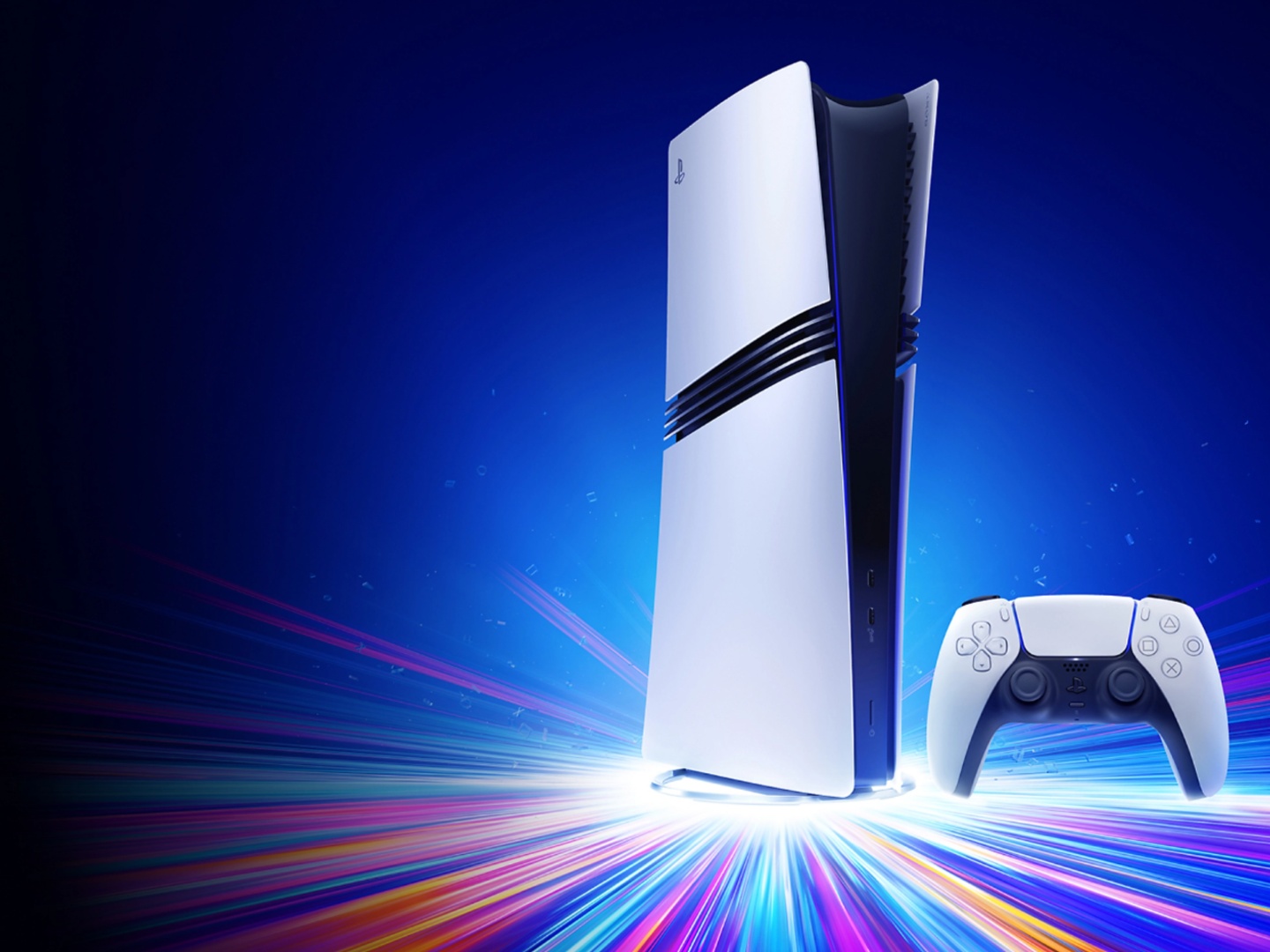
With RAM and storage costs swinging wildly, the next-generation console timeline has become a hot topic among gamers. Some recent chatter has even floated a 2029 debut for the next PlayStation and Xbox era. Still, the traditional seven-year console cycle places the next big jump right around 2027—and a well-known industry leaker believes that window is still the most realistic.
In a recent discussion, YouTuber and leaker Moore’s Law Is Dead, who has frequently shared details about the AMD-based chips expected to power upcoming consoles, addressed the PlayStation 6 release timing more directly. The key takeaway: Sony is unlikely to push the PS6 far beyond its expected schedule, even if component prices remain higher than expected.
The reasoning comes down to cost and logistics. According to the leaker, delaying the PS6 could end up being more expensive for Sony than launching on time at a higher retail price. In other words, if memory pricing stays elevated, Sony may choose to absorb some of the pressure early on—or adjust pricing—rather than wait years and risk bigger downstream complications.
Moore’s Law Is Dead echoed this view and stated that the PS6 will “almost certainly” arrive in 2027, or possibly slip into early 2028, but not 2029. He argues Sony has already invested heavily in its custom AMD APU, and that paying extra for RAM during the console’s first months on the market wouldn’t justify a major delay.
He also claims to have seen documentation referencing production-related clauses tied to Sony’s manufacturing agreements, mentioning Q2 2027 as a key timeline. The broader implication is that moving that schedule could jeopardize access to advanced 3nm chip manufacturing capacity, potentially forcing Sony into a much longer wait for supply—an outcome that could push availability far beyond what the company would consider acceptable.
To support the idea that Sony won’t hesitate to launch in tough conditions, the leaker pointed to the PlayStation 5’s 2020 release. Despite major uncertainty and supply concerns during the COVID-19 era, Sony still moved forward with the launch. The suggestion is that even if the PS6 ends up using slightly less memory than originally hoped—or more expensive memory than planned—the company is more likely to ship the console than stall the entire generation.
If any delay happens, it’s expected to be relatively small. The leaker suggested a possible shift of up to six months, with an April 2028 release mentioned as a plausible “worst case” scenario that could align well with tax-season buying trends. Beyond that, a longer delay is considered unlikely.
Finally, there’s a more optimistic angle: behind-the-scenes expectations reportedly point toward improving RAM prices by the end of this year, with further normalization in early next year. If that plays out, Sony would have more flexibility to decide between a late-2027 launch and an early-2028 release without dramatically altering its plans.
For now, nothing has been officially confirmed by Sony, but if the current reports and manufacturing timelines hold, PS6 launch expectations remain centered on 2027, with early 2028 as the most realistic backup—not 2029.