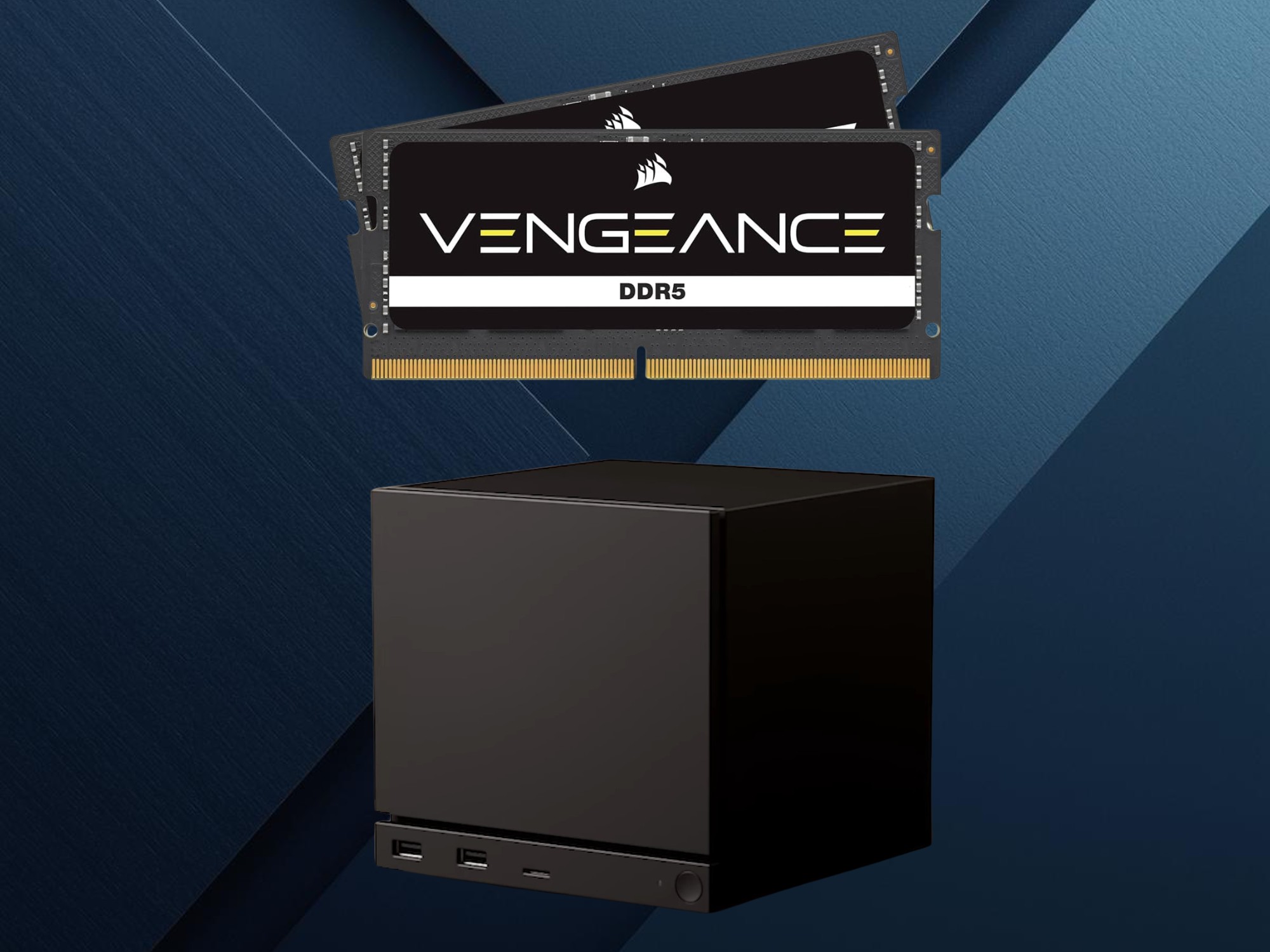
The next wave of gaming hardware from Sony and Valve could be heading into choppy waters, and it may have nothing to do with performance targets or new features. A growing concern across the tech supply chain is the rising cost of memory and storage, which could push the PlayStation 6 and a new Steam Machine-style gaming PC toward higher prices, later launch windows, or both.
At the center of the issue is a tightening memory market. Demand from the AI boom is putting enormous pressure on key components like DRAM, SSD storage, and graphics memory. As major suppliers prioritize higher-margin enterprise and data center customers, fewer units are available for consumer products—and that ripple effect is already being felt. PC makers and laptop brands have started signaling price increases, and the same component inflation can quickly spill into gaming consoles and compact gaming PCs.
For Valve, the conversation is especially timely because industry expectations have pointed to an early 2026 window for a new Steam Machine-type device. Even if Valve planned ahead and secured LPDDR5 supplies, broader market forecasts suggest DRAM and storage pricing may not normalize anytime soon. If costs continue climbing, Valve faces a difficult choice: raise the retail price and risk slowing demand, or wait until pricing stabilizes and potentially delay the release.
Sony’s PlayStation 6 timing is less pinned down, but many forecasts place it in 2027 or 2028. Still, higher memory pricing can influence long-term product planning well in advance. A particular pressure point is graphics memory. As newer standards such as GDDR7 become more expensive, it doesn’t just affect next-generation graphics cards—it can also raise the bill of materials for future console hardware. When the core components of a system cost more, manufacturers either absorb the hit, raise MSRP, or adjust launch plans to protect profitability.
Memory isn’t the only headwind. Console hardware sales are also cooling, and that makes any potential price increases even riskier. Recent U.S. market data showed hardware sales dropping sharply year over year, a warning sign that more players are holding onto current systems longer. Combined with broader economic strain—such as tariffs and other cost pressures—today’s consoles have already experienced price hikes in some regions and channels. That environment can make gamers more hesitant to upgrade, especially if the next generation launches at a noticeably higher price than expected.
One industry analyst cited in a recent report suggested that weak sales and rising component costs could lead manufacturers to reconsider their schedules, raising the possibility that console makers could delay upcoming releases to avoid launching into an unfavorable market.
There are workarounds, at least for PC-style hardware. One proposed solution for Valve would be to offer a more affordable base model by stripping out memory and storage—essentially a barebones configuration—then letting buyers add their own parts. That could keep the entry price lower while shifting component decisions to the consumer. However, that kind of build-it-yourself approach is far less likely in the traditional console space, where customers expect a complete, standardized system right out of the box.
For now, nothing is officially delayed, and both Sony and Valve could still move forward as planned. But with memory shortages looming, AI soaking up supply, and console sales trending downward, the next 12–24 months may play a major role in determining when the PlayStation 6 and the next Steam Machine-class device actually arrive—and how much gamers will need to pay when they do.