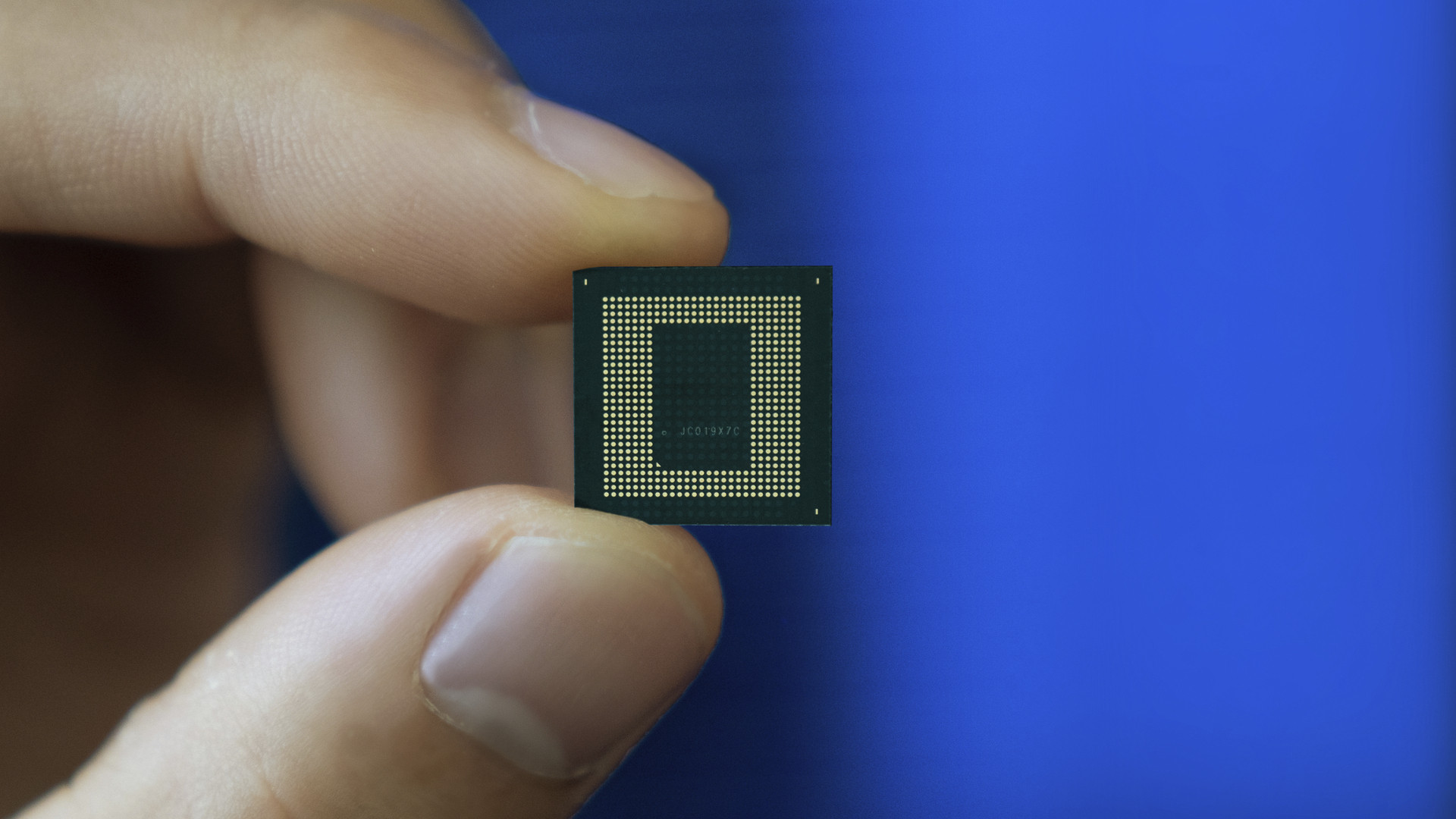
When choosing a new smartphone, many elements come into play, and while budget is obviously a consideration, understanding the device’s internal components is crucial for making an informed decision. A recent survey of around 1,100 individuals sheds light on some of these critical considerations, highlighting that the performance and type of a smartphone’s processor play a significant role in buyer decisions.
This survey, conducted by Counterpoint Research with participants from India, indicates that while regional preferences may vary, the importance of a processor’s performance is a generally agreed-upon aspect. No one wants to invest heavily in a device and encounter lackluster performance. According to Senior Research Analyst Shivani Parashar, “Processor performance has become the key factor for consumers when purchasing a smartphone, as 84% of the respondents are familiar with the role of chipsets in a smartphone. Buyers are willing to pay a premium for faster and more efficient devices. As GenAI continues to evolve, the smartphone experience is set to become even more personalized. Chipset companies are driving innovation as the industry shifts focus from simple connectivity to AI-powered processors that deliver smarter, faster and more personalized.”
Following closely behind in importance is battery life. Recognizing this, many smartphone manufacturers are striving to fit larger batteries into their devices, supported by software optimizations to enhance user satisfaction. Some Chinese brands are adopting silicon-carbon batteries, pushing the envelope with capacities upwards of 6,000mAh without increasing the device’s bulk.
Storage and camera quality come next in the order of priorities. Interestingly, while software updates are always welcomed, they aren’t top-of-mind for most respondents when purchasing a smartphone. This likely stems from the concern that updates might cause performance slowdowns, which is why some brands are hesitant to promise long-term software support. For instance, OnePlus’s decision against offering seven years of updates might reflect these concerns, acknowledging that hardware limitations may not support future updates’ demands.
This survey offers a fascinating glimpse into how consumers are prioritizing different smartphone features today. How do these factors align with what you consider most crucial when buying a smartphone? Let us know your thoughts!