GPU makers have spent months blaming rising VRAM and memory-related costs for higher graphics card prices, but the market is now pushing back. After a sharp run-up in pricing across the GPU landscape, early signs suggest that shoppers simply aren’t willing to pay inflated amounts for mid-range and budget-class cards, even when supply is tight.
Over the past three months, the global average price for the cheapest GPU models has climbed by roughly 15%. In many cases, specific cards have jumped far more—often by 40% to 50%. This broader “RAMmageddon” effect has pressured major tech companies to raise prices and, in some situations, scale back production. At the same time, GPU giants have been prioritizing select models that deliver higher margins, contributing to continued pricing volatility in the gaming graphics card market.
That strategy appears to be backfiring for AMD’s Radeon RX 9000 series in at least one key region. According to reporting from GazLog, demand for Radeon RX 9000 GPUs in Japan dropped sharply after prices rose. While interest has softened globally, the trend is especially visible in recent retail pricing: as prices surged, buyers stepped away, and stores have started cutting prices to reignite sales.
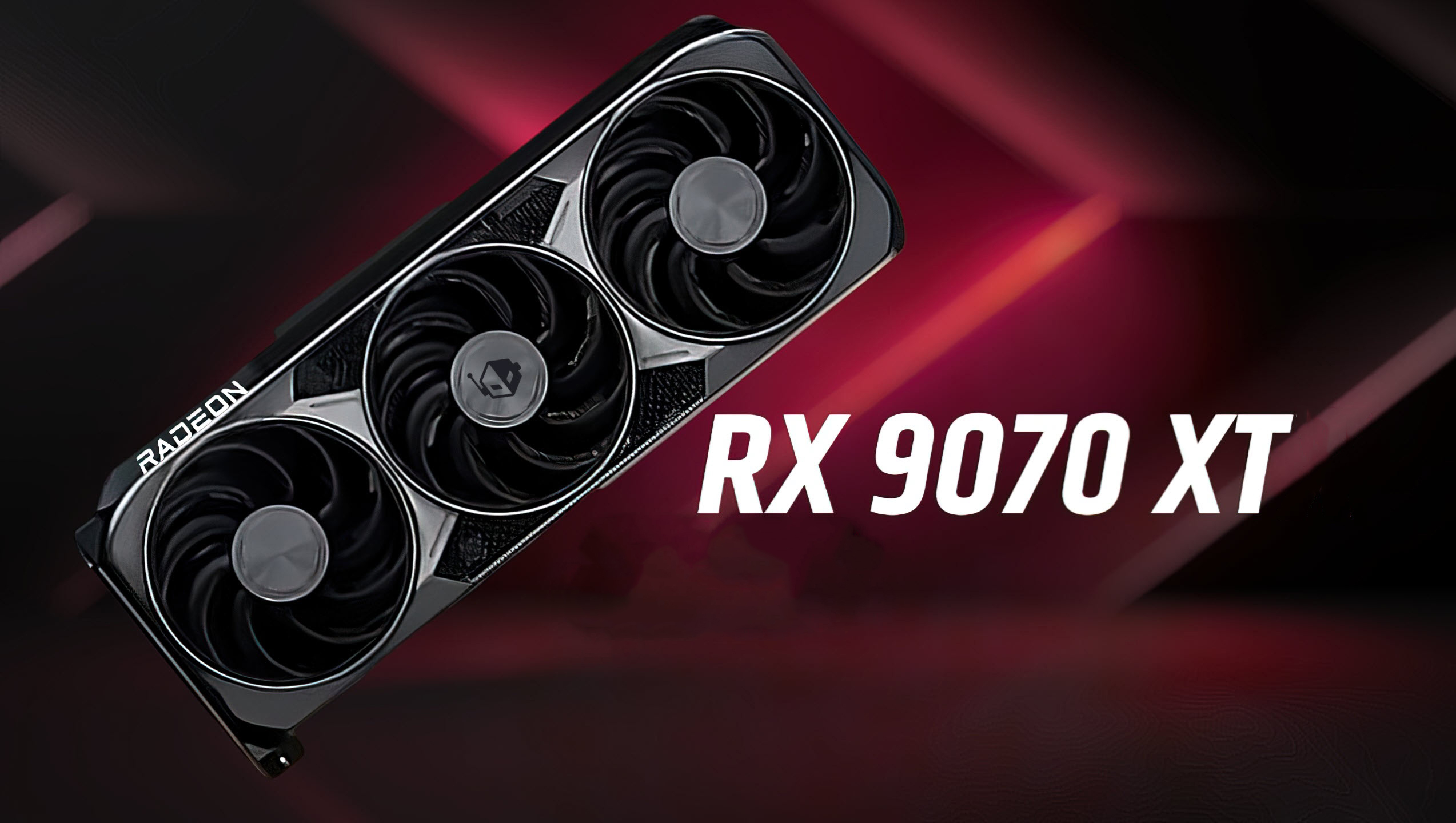
The Radeon RX 9000 lineup is relatively small, with four SKUs aimed mainly at the budget and mid-range segments. One of the most closely watched models is the Radeon RX 9070 XT, which has been among the most popular choices for gamers. Recently, its pricing has been volatile—after falling into the $600–$650 range, it climbed back toward about $800. In Japan, RDNA 4 card prices reportedly rose around 30% to 40%, but retailers have now begun lowering prices by roughly 15% to 20% as shoppers refuse to pay an extra $100 or $200.
Current figures highlight the shift. The lowest listed price for an RX 9070 XT is now around 108,000 yen (about $770), after previously peaking above 130,000 yen (about $840). Average selling prices are also trending down, reportedly moving from around 144,000 yen to about 130,000 yen. Another notable example is the Radeon RX 9060 XT 16GB, which has also seen meaningful cuts—dropping to roughly 71,000 yen (about $458) after topping out around 87,000 yen (about $562).
The bigger takeaway is that GPU pricing may have hit a ceiling for mainstream buyers. The latest sales and price movement suggest there’s a clear threshold for how much inflation gamers will tolerate before they delay upgrades, switch brands, or skip a purchase entirely. If demand remains soft, further price drops across the Radeon RX 9000 series—and potentially the wider GPU market—could follow in the weeks ahead.