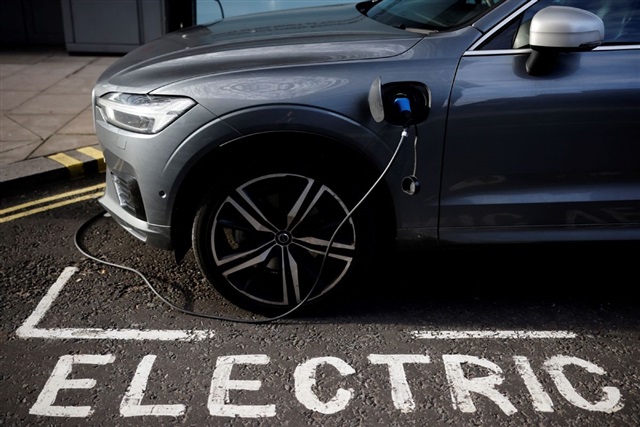
Electric Vehicles (EVs) have been a significant focus for both consumers and the automotive industry in recent years. With environmental concerns mounting and the push for cleaner transportation solutions, the EV market has witnessed substantial growth. However, despite this surge, market trends and economic factors often dictate fluctuations in demand. There is considerable interest in whether EV demand will continue to rise or face a temporary decline before rebounding, particularly as we look ahead towards 2025.
Consumer preferences are increasingly leaning towards sustainability, and many governments have announced initiatives to phase out internal combustion engine vehicles in favor of EVs. This, coupled with advancements in EV technology, including improved battery life and a growing network of charging infrastructure, suggests that demand is likely to increase. Moreover, as more automotive manufacturers commit to an electric future with expansive EV lineups, consumers will have a wider range of options to choose from, further stimulating demand.
Another key factor that could influence the demand for EVs by 2025 is the price parity with traditional vehicles. As battery production scales up and costs decrease, EVs are expected to become more affordable. The potential for economic recovery post-global downturns could also see a resurgence in overall auto sales, benefiting EVs particularly if they become more competitively priced.
On the flip side, potential challenges could temper demand. Supply chain issues, raw material shortages, and economic factors such as inflation or decreased consumer spending power might dampen growth. However, given the trends toward greener transportation and various government incentives to encourage EV adoption, a demand rebound is a likely scenario for 2025.
Actionable steps for consumers considering an EV purchase include researching upcoming models and tax incentives, analyzing total cost of ownership, and evaluating personal transportation needs against current EV capabilities. Automotive industry stakeholders should focus on innovation, strategic partnerships, scalability, and addressing the end-to-end customer experience to capitalize on the anticipated demand surge.
Recent trends suggest that investments in research and development, continued support for green policies, and consumer attitudes toward climate change may contribute significantly to the EV demand trajectory leading up to 2025. As such, it would be prudent for potential buyers and industry players alike to stay informed about the evolving landscape of electric mobility to make strategic decisions.
To sum up, while there may be ups and downs in the EV market, the direction towards electrification seems clear. The question isn’t so much “if” EV demand will rebound by 2025, but “how much” it will have grown by then, given the rapidly evolving dynamics of the automotive industry and global sustainability efforts.