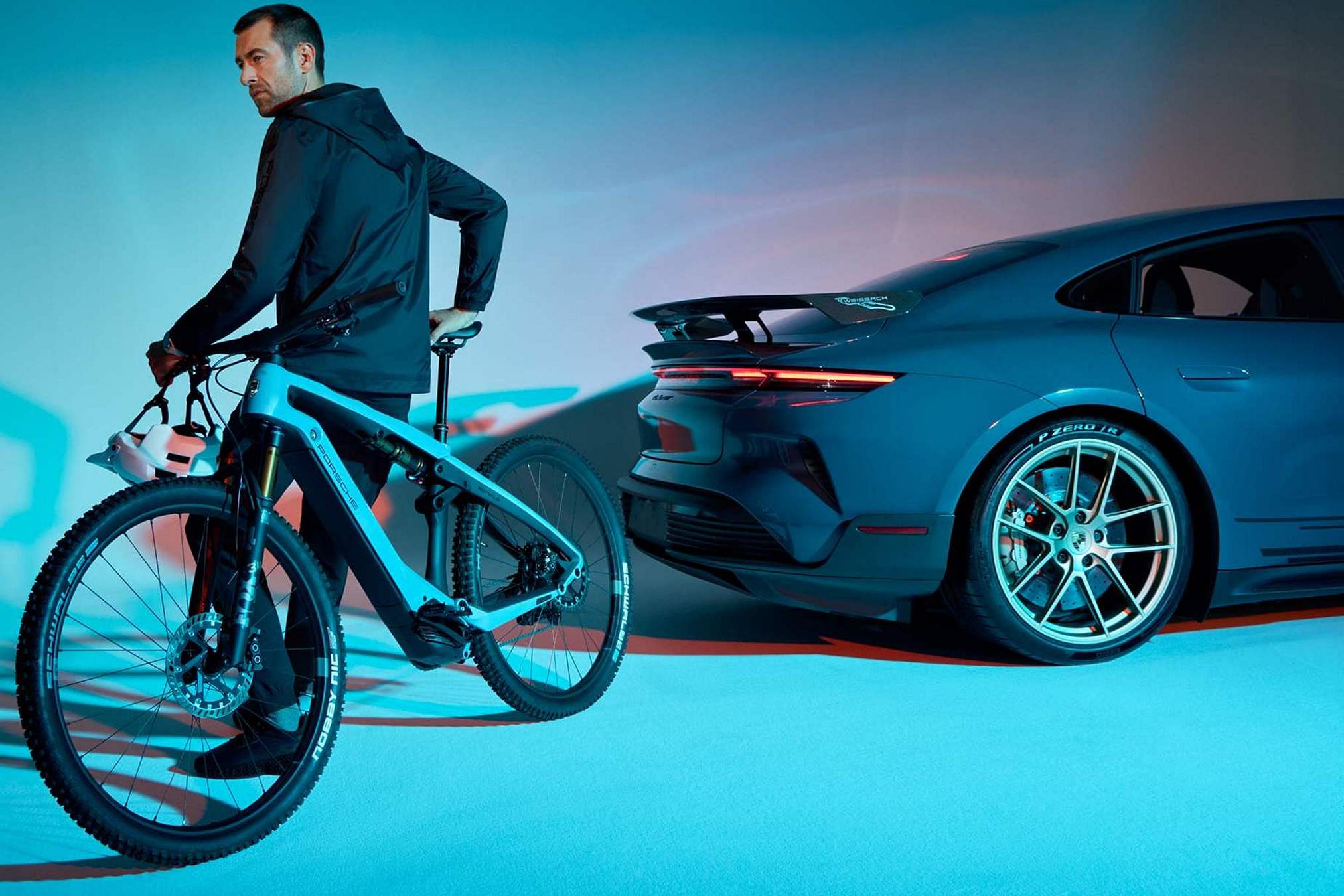
Porsche Cuts Over 500 Jobs as It Shuts Down E-Bike Unit and Refocuses on Sports Cars
Porsche is taking a sharper turn toward cost-cutting as it restructures its business around its core identity: building high-performance sports cars. The Stuttgart-based automaker is closing three subsidiaries and eliminating more than 500 jobs as part of a wider effort to improve efficiency, protect profitability, and respond to weaker global demand.
The biggest change is the complete shutdown of Porsche eBike Performance GmbH, the company’s in-house e-bike development division. Around 350 employees are affected across locations in Ottobrunn near Munich and Zagreb, Croatia. Porsche had originally planned to develop and sell its own e-bike motors through the unit, but shifting market conditions have pushed the company to abandon those plans.
Porsche-branded bicycles are not disappearing entirely. The company will continue offering bikes under its name, but future models will be produced exclusively by its German partner Rotwild rather than through Porsche’s own e-bike operations.
The restructuring also affects Porsche’s battery and software businesses. Cellforce Group, the battery subsidiary based in Kirchentellinsfurt, will be permanently closed, resulting in the loss of about 50 jobs. The company had already significantly reduced battery production at the site last year, making the closure the next step in Porsche’s retreat from that operation.
Software subsidiary Cetitec is also being shut down. The company, which focused on data communication technologies, employs workers in Pforzheim and Croatia. Roughly 60 jobs in Pforzheim and another 30 positions in Croatia are expected to be cut as part of the closure.
The move comes under the leadership of CEO Michael Leiters, who is pushing Porsche to become leaner and more focused. The company is narrowing its attention to vehicle development and sports car manufacturing, areas it sees as essential to long-term strength in a more difficult automotive market.
Porsche’s financial performance has come under pressure in 2026, with first-quarter results hit by several challenges. A major slowdown in demand from China, one of the brand’s most important markets, has weighed heavily on the company. New tariffs in the United States have added further pressure, increasing the need for cost discipline and strategic focus.
The shake-up is not limited to subsidiaries. Porsche is also reorganizing its leadership structure by reducing its executive board from eight divisions to seven. The Car IT division will be dissolved and folded into general vehicle development beginning in July, reflecting the company’s push to simplify internal operations.
For Porsche, the job cuts mark a significant shift away from side ventures and experimental growth areas. The brand is now concentrating its resources on its most profitable and recognizable business: premium sports cars. While the closures represent a difficult moment for hundreds of employees, Porsche says the measures are necessary to support a successful realignment in a challenging global market.