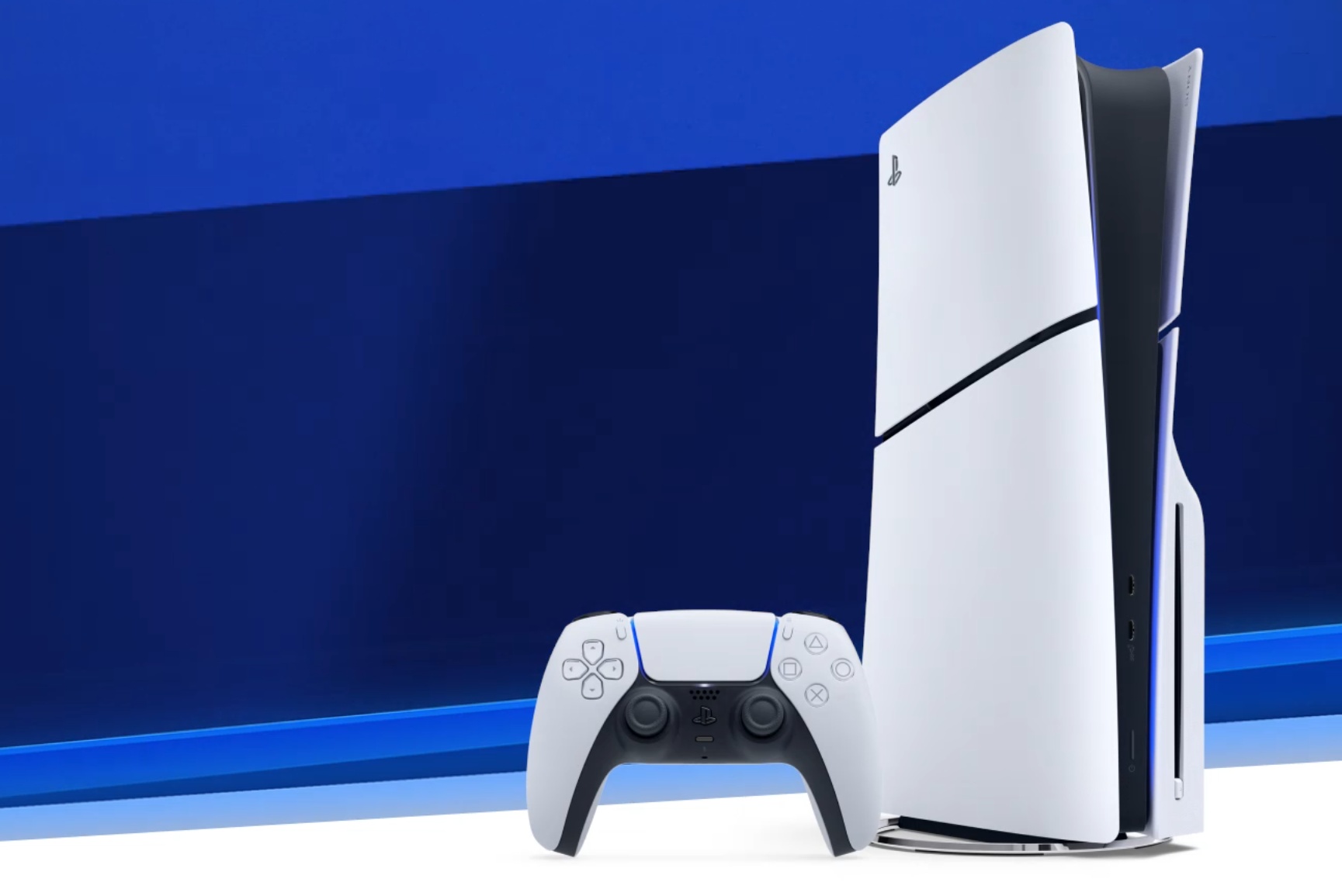
PS5 and Xbox Sales Slump in the US as Console Prices Hit Record Highs
The US video game console market is facing one of its toughest stretches in years, with both PlayStation and Xbox hardware sales falling sharply through the first eight months of 2026. The biggest reason appears to be simple: consoles are getting more expensive at a time when many shoppers are becoming more cautious with their spending.
According to Circana analyst Mat Piscatella, the current state of the US console market is unusually fragile. He described the situation as one of the most concerning periods for gaming hardware since the early 1980s, when the North American video game industry went through a historic downturn.
PlayStation hardware sales have been hit hard. In the United States, PlayStation console unit sales dropped 25% year over year during the first eight months of 2026. That marks the lowest level for this period since 2013, the year when the PS3 was nearing the end of its cycle and the PS4 was about to arrive.
At the same time, the average price paid for a PlayStation console in the US rose to $597, a 20% increase compared with the previous year. That higher price helped Sony keep hardware revenue from falling as quickly as unit sales. In August, PS5 hardware spending actually increased 17% year over year, even though the number of PlayStation consoles sold fell 11%.
This creates an unusual picture for the PS5. Normally, consoles become cheaper as they age. Lower prices often help attract more casual buyers and families later in a generation. Instead, the PlayStation 5 is becoming more expensive as it approaches its sixth year on the market.
That is a major shift from past console cycles. Around five years after the PS4 launched, shoppers could find attractive bundles at far lower prices, including deals that made the system much more accessible to budget-conscious buyers. The PS5 has not followed that pattern, partly because of price increases in several regions and ongoing pressure from hardware component costs.
Xbox is facing an even steeper decline in the US. Xbox hardware unit sales fell 33% year over year through August, reaching their lowest level on record. The average price paid for an Xbox console also climbed significantly, rising 26% to $529.
The broader problem is not limited to one company. The PlayStation 5, Xbox Series X/S, and Nintendo Switch 2 have all become more expensive, with some price increases happening more than once. Console makers are dealing with rising manufacturing costs, especially for memory and storage components.
One of the key challenges comes from competition for memory supplies. Gaming hardware companies are now competing with AI data-center operators, which are buying huge amounts of memory for servers and advanced computing systems. This demand has added pressure to the supply chain and pushed costs higher.
The memory shortage may not be a short-term issue. Industry warnings suggest that tight supply could continue until at least 2028, keeping component prices elevated for years. That could make it difficult for console manufacturers to offer major price cuts or aggressive holiday discounts.
Microsoft has also pointed to sharp increases in storage costs. Xbox leadership has said that console storage component costs had already more than doubled by early 2026 compared with the previous autumn. Those costs reportedly doubled again, with another major increase expected before the 2027 holiday season. If that trend continues, storage components could cost more than five times as much by late 2027 as they did two years earlier.
This puts console makers in a difficult position. Cutting prices could help boost sales, but rising production costs make discounts harder to absorb. Keeping prices high protects revenue, but it also limits the number of people willing or able to buy new hardware.
There may still be a bright spot later in the year. The launch of Grand Theft Auto VI in November could create a major surge in interest, especially among players who have been waiting for a must-have game before upgrading. A blockbuster release of that size has the potential to move hardware, particularly if retailers and manufacturers offer bundles or limited-time deals.
However, the impact of Grand Theft Auto VI will likely depend on pricing and availability. If consoles remain near record-high average prices, the game may boost demand without fully reversing the sales decline.
For now, the US console market is caught between strong gaming interest and difficult economic realities. Players still want new games and powerful hardware, but higher console prices, tighter household budgets, and ongoing component shortages are slowing the market.
Unless prices begin to fall or major software releases create enough momentum, PlayStation and Xbox may continue struggling to expand their user bases before the next generation of consoles arrives.


