Xbox’s Return to Console Exclusives Sparks Debate Over Gears of War: E-Day, Game Pass, and the Future of the Platform
Xbox appears to be changing course again, and the gaming community is paying close attention.
After years of pushing a broader strategy built around Game Pass, PC releases, and select titles appearing on rival platforms, Xbox is now bringing back console exclusivity for some major first-party games. The announcement that Gears of War: E-Day and Clockwork Revolution will be Xbox console exclusives has triggered a heated debate about whether this is a smart brand-building move or a risky decision for Xbox Game Studios.
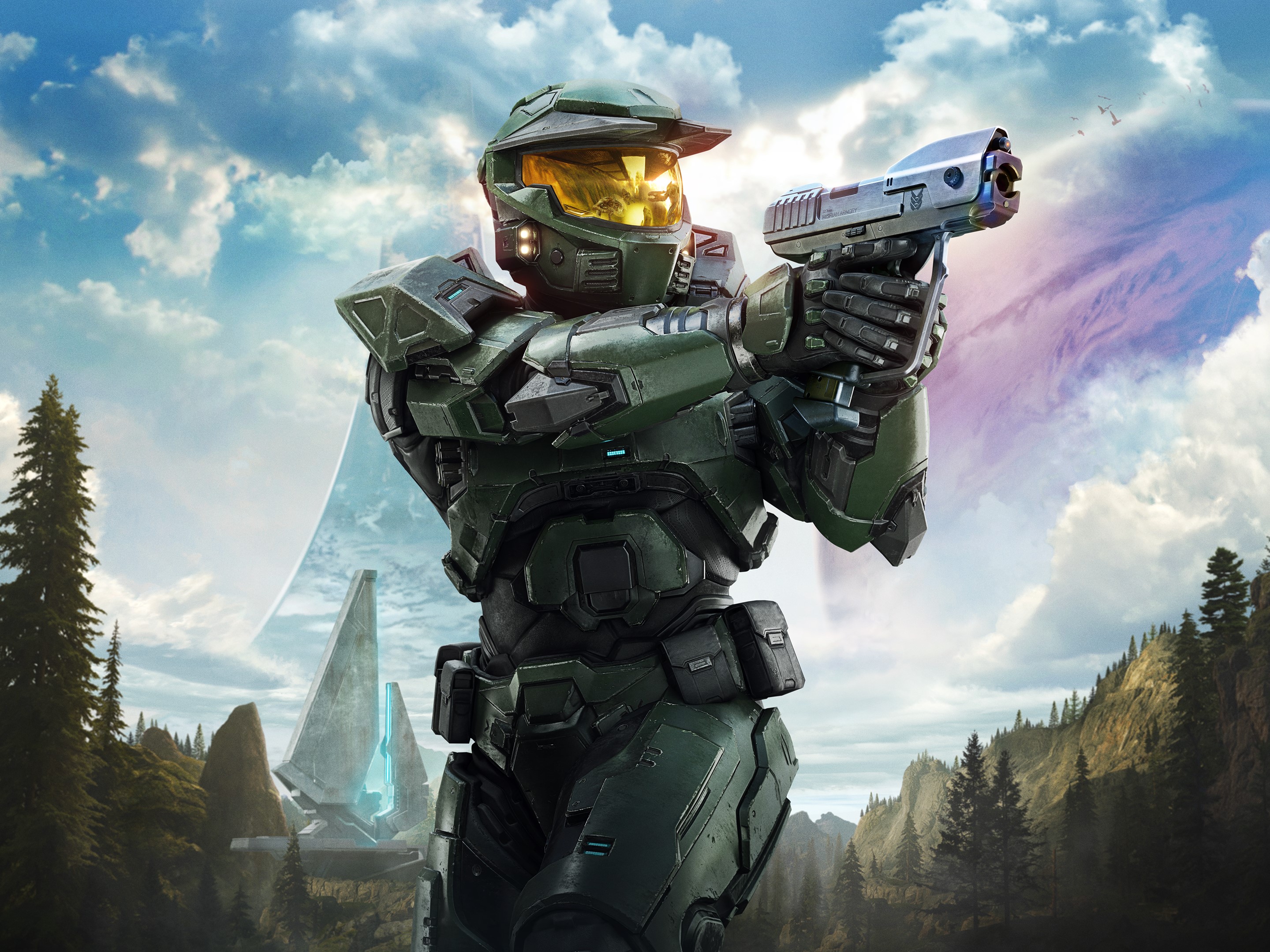
The discussion comes at a particularly interesting moment. Halo Campaign Evolved is set to launch on July 28 for Xbox Series consoles, PlayStation 5, and PC, marking the first time a Halo game will be available on a PlayStation console. That alone shows how much Xbox’s strategy has evolved in recent years. Once defined by exclusive franchises like Halo, Gears of War, and Forza, Xbox has increasingly operated like a major game publisher rather than only a console platform.
That is why the sudden return of console exclusives feels surprising to many observers.
During the later years of Phil Spencer’s leadership, Xbox moved further away from traditional console exclusivity. With Microsoft owning huge gaming brands through Bethesda and Activision Blizzard, the company seemed focused on reaching players wherever they were, whether on Xbox, PC, cloud gaming, or even competing consoles.
New Xbox CEO Asha Sharma’s announcement at the Xbox Games Showcase 2026 suggests a partial reversal of that direction. Instead of making every major Xbox Game Studios title widely available, Microsoft now appears willing to keep select games tied to Xbox consoles.
For dedicated Xbox fans, this sounds like a long-awaited return to form. Many have argued for years that Xbox needs strong exclusives to give players a clear reason to buy into the ecosystem. From that perspective, Gears of War: E-Day and Clockwork Revolution being exclusive could help restore the identity Xbox once had during the Xbox 360 era.
However, not everyone is convinced.
Digital Foundry has questioned whether this strategy makes sense in the current console market. Oliver Mackenzie argued that making a massive AAA production like Gears of War: E-Day exclusive to Xbox consoles may not be financially sustainable. The concern is simple: Xbox’s console install base is smaller than PlayStation 5’s, and Nintendo’s next-generation system is also expected to command a huge audience.
That creates a difficult equation. A game like Gears of War: E-Day likely carries an enormous development and marketing budget. If it skips PS5, it loses access to millions of potential buyers. At the same time, many Xbox users may not buy the game outright because they will play it through Game Pass.
Game Pass is one of Xbox’s biggest strengths, but it also complicates the economics of high-budget exclusives. If a large percentage of players access the game through a subscription rather than a full-price purchase, Microsoft must rely on subscription growth, engagement, and long-term retention to justify the investment. That may work for the platform overall, but it could place pressure on individual studios if sales numbers do not match expectations.
John Linneman also expressed concern about how this decision might affect the studios behind these games. Xbox has already faced significant restructuring in recent years, including studio closures and major layoffs. If a blockbuster exclusive underperforms because it is limited to a smaller hardware audience, the people making those games could be the ones who feel the consequences most directly.
The concern becomes even more serious when considering reports of internal pressure inside Xbox. Asha Sharma reportedly shared a memo with employees discussing the company’s challenging financial situation. Against that backdrop, every major release becomes even more important.
If Gears of War: E-Day launches only on Xbox and PC but fails to reach the numbers it might have achieved with a PlayStation 5 release, Microsoft could face hard decisions. That is the risk critics are pointing to: console exclusivity may strengthen the Xbox brand, but it could also limit revenue for the very studios Microsoft needs to protect.
Another argument is that the timing may be wrong. Linneman suggested that Xbox may have been better off saving its renewed exclusivity push for the next-generation Xbox hardware, often referred to in rumors as Xbox Helix. The current Xbox Series X and Xbox Series S are already several years into their life cycle, and pricing has become less attractive compared to launch.
In other words, exclusives may not be enough to convince large numbers of new players to buy into the current Xbox console generation. Many loyal Xbox fans were likely staying with the platform anyway. If the goal is to win new customers, a fresh console launch with major exclusive games could have created a stronger impact.
Still, the argument in favor of exclusives should not be ignored. Exclusive games have always been one of the strongest reasons people choose one console over another. PlayStation has built much of its modern identity around cinematic single-player blockbusters. Nintendo continues to sell hardware through franchises like Mario, Zelda, and Pokémon. Xbox, at its peak, also benefited greatly from franchises that players associated directly with the platform.
A powerful exclusive can do more than sell copies. It can define a console’s image.
That may be what Xbox is trying to recover. By making certain games exclusive again, Microsoft could be sending a message that Xbox hardware still matters. For years, some players have questioned why they should buy an Xbox if many Xbox games are also available on PC and, increasingly, on other consoles. Exclusive titles can help answer that question.
Halo Campaign Evolved adds another layer to the strategy. By launching on PS5, Xbox is introducing one of its most iconic franchises to a new audience. Many PlayStation players have never experienced Halo because the series has historically been tied to Xbox. If Halo Campaign Evolved succeeds on PS5, it could grow interest in the wider franchise and potentially make some players curious about Xbox hardware, Game Pass, or future Halo titles.
That creates a possible two-part strategy. Some Xbox franchises may expand to other platforms to build awareness and revenue, while others may remain exclusive to reinforce the value of the Xbox ecosystem. It is a delicate balance, and Microsoft will need to communicate it clearly to avoid confusing players.
Right now, that confusion is one of the biggest problems. Xbox has spent years telling players that access matters more than hardware. Now it is also saying that some games will once again be tied to Xbox consoles. Both ideas can exist together, but only if the company explains which games go where and why.
For players, the question is simple: will Xbox exclusives be good enough to matter?
If Gears of War: E-Day delivers a true blockbuster experience, it could remind audiences why the franchise became one of Xbox’s defining pillars. If Clockwork Revolution becomes a standout RPG, it could give Xbox another major identity-building title. Strong games can shift conversations quickly.
But if these exclusives fail to drive console interest or Game Pass growth, critics will argue that Xbox left money on the table by keeping them away from PlayStation.
The future of Xbox now seems to rest on a hybrid strategy: publish some games everywhere, keep others exclusive, and use Game Pass as the connective tissue across the ecosystem. It is ambitious, but it is also risky.
For now, Xbox fans have reasons to be excited, while industry watchers have reasons to be cautious. The return of Xbox console exclusives could become a turning point for the brand, or it could become another short-lived experiment in a generation filled with strategic pivots.
The real test will come when Gears of War: E-Day, Clockwork Revolution, and Halo Campaign Evolved reach players. If the games are strong enough, Xbox may prove that exclusives still have power. If not, the company may find itself under even more pressure to return to a wider multiplatform approach.