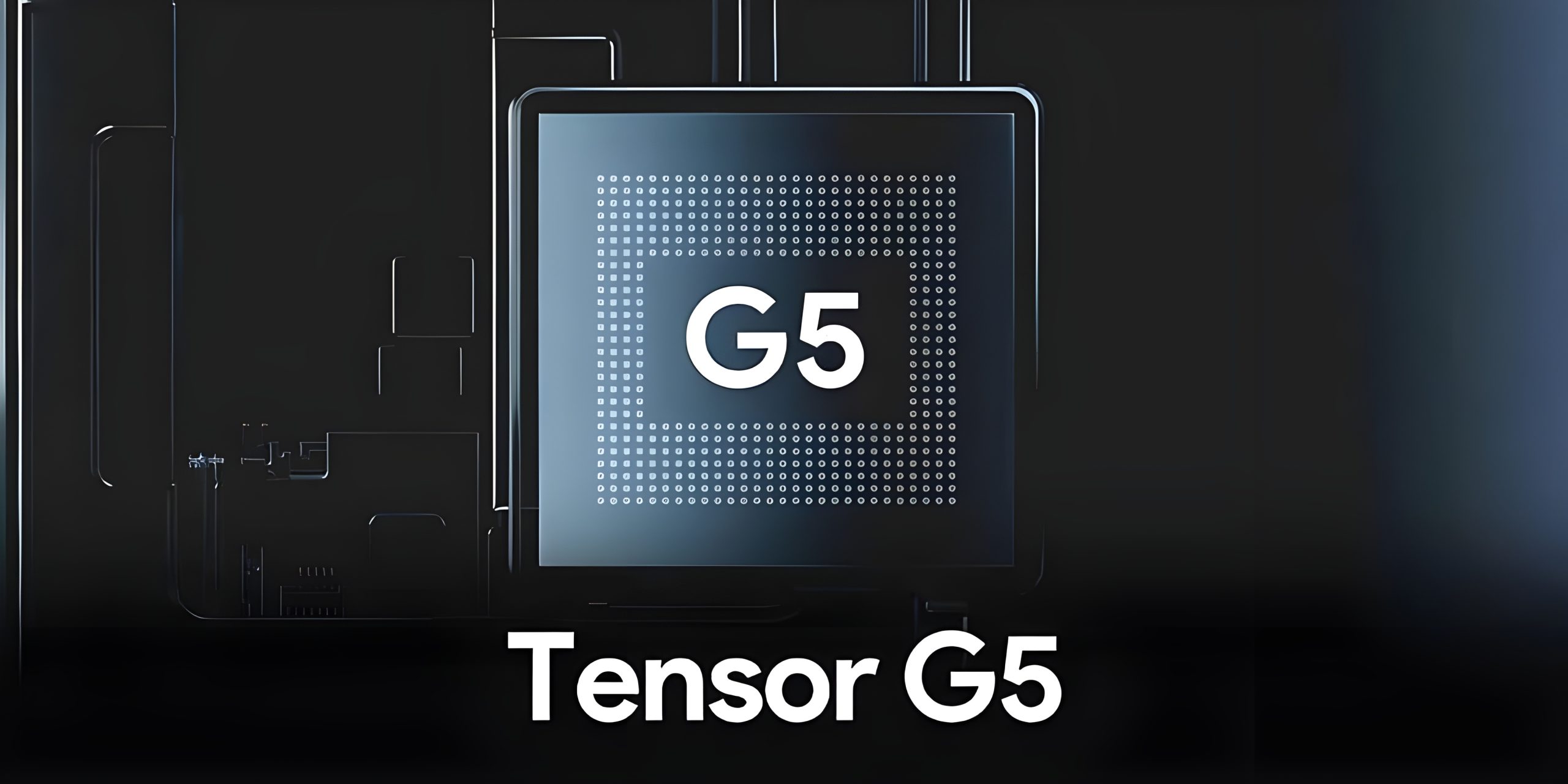
Google’s Pixel 10 has had a bit of a reputation for inconsistent performance since launch, and gaming has been one of the biggest pain points. That may finally be changing, thanks to a key GPU driver update now rolling out as part of Android 16 QPR3 Beta 1.
The Pixel 10’s Tensor G5 chip uses an Imagination-designed graphics solution, the IMG PowerVR DXT-48-1536 GPU. Google collaborated closely with Imagination on the hardware, but there’s an important detail that explains why GPU improvements have taken time: Imagination maintains full proprietary control over DXT-series graphics drivers. In practical terms, Google can adjust certain behaviors—such as how the chip manages power or handles AI-related workloads—but the most critical GPU driver work and low-level hardware-specific optimizations must come from Imagination.
With Android 16 QPR3 Beta 1, Google is delivering a substantial GPU driver jump, updating the driver version from 1.602.400 to 1.634.2906. This update brings official support for Android 16, adds Vulkan 1.4 compatibility, and includes a wide set of additional improvements Imagination previously outlined.
That upgrade matters because the Pixel 10 originally shipped with an older PowerVR driver, and developers have pointed to that outdated software as a major reason for the phone’s uneven gaming results. Some studios reportedly reacted strongly—Genshin Impact’s developers even went as far as dropping support for the old driver—highlighting how seriously GPU driver quality can affect real-world gameplay, stability, and performance.
Now that the newer driver is landing, expectations are that gaming performance and overall graphics behavior on the Tensor G5 should become noticeably smoother and more reliable. Benchmark results and hands-on testing will ultimately determine how big the gains are, but a modernized driver with Vulkan 1.4 support is the kind of change that can translate into better frame pacing, improved compatibility, and fewer graphics-related issues in demanding Android games.
One more noteworthy detail: the Imagination GPU design used in Tensor G5 is capable of ray tracing at a hardware level. However, the version Google chose to ship in the Pixel 10 reportedly excludes ray-tracing support, meaning users shouldn’t expect ray-traced effects even if the underlying GPU family is known to support them.
For Pixel 10 owners who’ve been waiting for more consistent gaming performance, this is shaping up to be one of the most important software updates since the phone launched.


