Good news for Pixel 10 owners: the phone’s disappointing gaming and graphics performance may come down to a simple software fix.
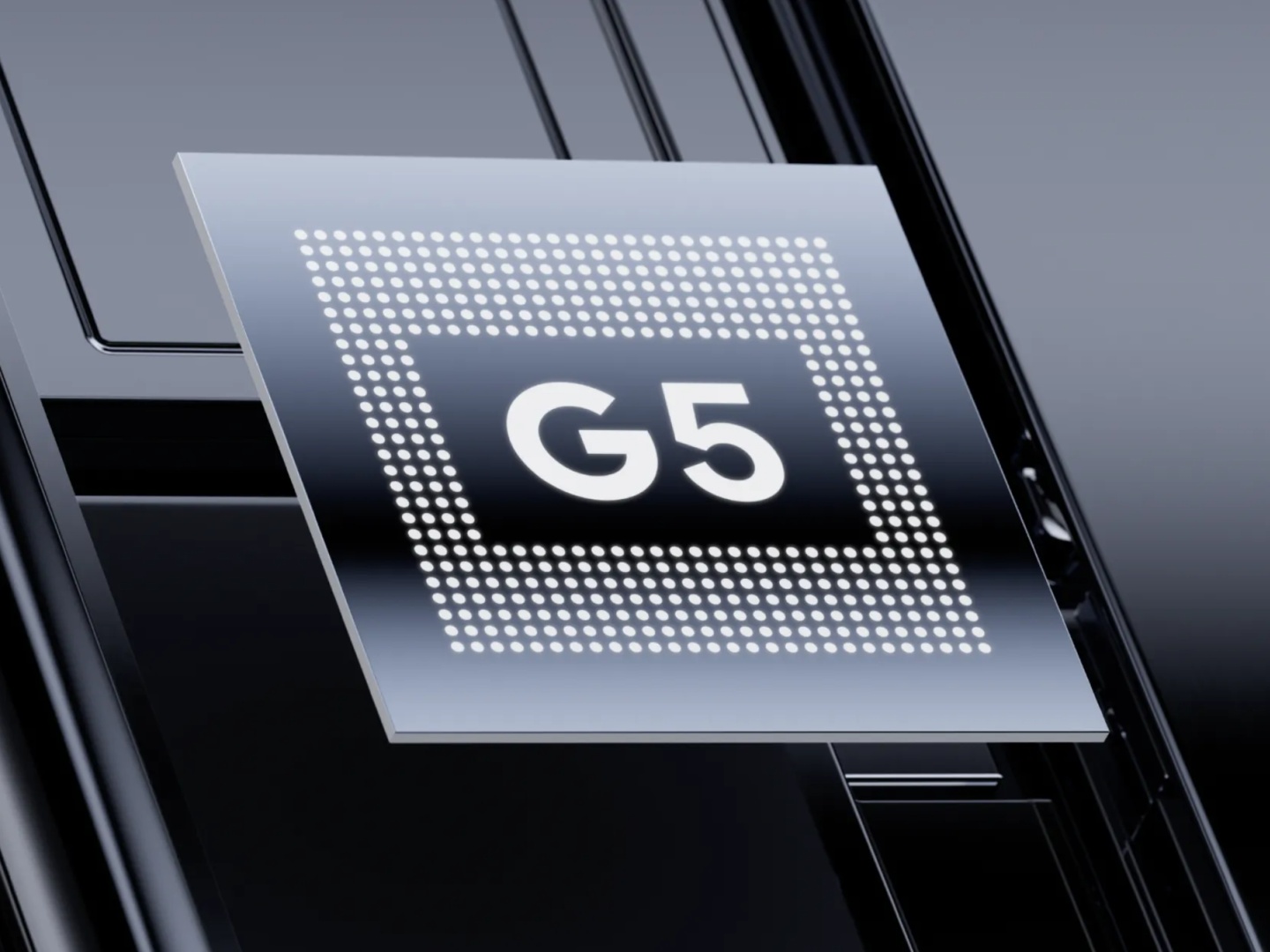
Google launched the Pixel 10 series on August 20 with modest design changes but big promises under the hood. Its new Tensor G5 is the company’s first 3 nm chip, a leap that should deliver stronger performance and better efficiency. On paper, the GPU inside it—the PowerVR DXT-48-1536 from Imagination Technologies—looks solid too, boasting Vulkan 1.3 support, a theoretical 1.5 TFLOPS of FP32 compute, and boost clocks up to 1,100 MHz.
In real-world use, though, many users and benchmarks saw lackluster graphics performance. One particularly odd behavior: the GPU appears to sit at an idle frequency of around 396 MHz even under heavy load, which kneecaps frame rates and overall responsiveness in games and graphics-heavy apps.
The likely culprit isn’t the hardware—it’s the driver. The Pixel 10 series is currently running an older GPU driver (v24.3). Meanwhile, Imagination Technologies has already released a newer driver, v25.1, that adds Vulkan 1.4 support, improves OpenCL features, and ensures compatibility with Android 16. In practical terms, a driver update like this can unlock higher sustained clocks, better shader and memory efficiency, improved stability, and smoother frame pacing—exactly what the Tensor G5 needs to hit the performance levels its specifications suggest.
So what needs to happen? Simply put, Google has to push a driver update. Despite v25.1 being available before launch, the phones shipped with the older version. It’s unclear how high this sits on Google’s priority list, but the company has already addressed a separate display issue involving colored lines on some units, which suggests more fixes could be on the way. If the newer GPU driver rolls out soon, expect measurable gains in gaming performance, smoother animations, and potentially better power efficiency thanks to the GPU operating as intended.
What Pixel 10 owners should watch for:
– A system update that mentions GPU, graphics, Vulkan, or performance improvements
– Better frame rates and stability in 3D games and benchmarks after updating
– Reduced instances of the GPU sticking at low frequencies under load
Bottom line: the Tensor G5 and its PowerVR GPU have the raw capability. With the right driver—v25.1 or newer—the Pixel 10’s graphics performance should align much more closely with the chip’s potential. Keep an eye on upcoming software updates, as the fix may be just one rollout away.