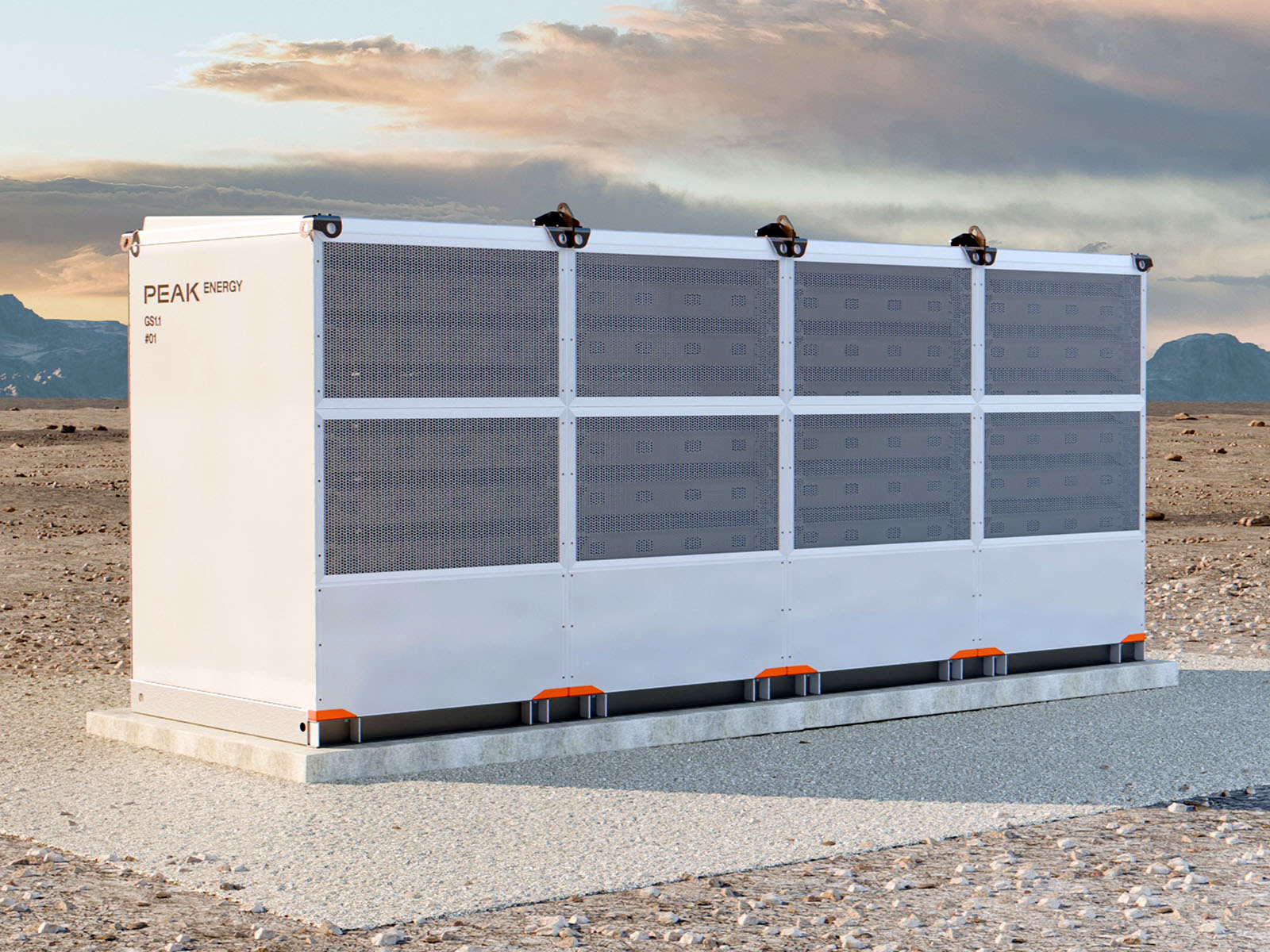
The United States has just rolled out its first grid-level energy storage system powered by sodium-ion batteries, marking a significant step forward in energy innovation. These batteries are notably cheaper and safer than traditional lithium phosphate batteries, requiring no active cooling and costing about a third less.
A promising startup, Peak Energy, is behind this groundbreaking deployment, which comes two years after they announced plans to build it. In China, similar systems are already up and running, spearheaded by industry leaders. However, the American-made system stands apart due to its innovative passive cooling feature, making it more economical and secure.
Sodium-ion batteries offer several advantages over traditional LFP batteries. They contain fewer flammable materials, making them inherently safer, and are less expensive to produce due to their reliance on abundant materials. Peak Energy’s commercial breakthrough is not a mere prototype—it’s a large-scale, fully operational system. This marks it as the world’s largest sodium-ion battery setup using phosphate pyrophosphate (NFPP) cathode chemistry.
The benefits include energy density comparable to LFP cells while being 20% cheaper to operate over its lifetime. Furthermore, the NFPP cells degrade at a much slower rate, promising extended utility use. Their passive cooling technology significantly minimizes fire hazards, addressing the primary risks associated with energy storage.
Beyond cost and safety, the deployment aligns with the growing trend of favoring domestically manufactured products in the U.S., paving the way for a stronger American battery industry that has long seen global dominance by China.