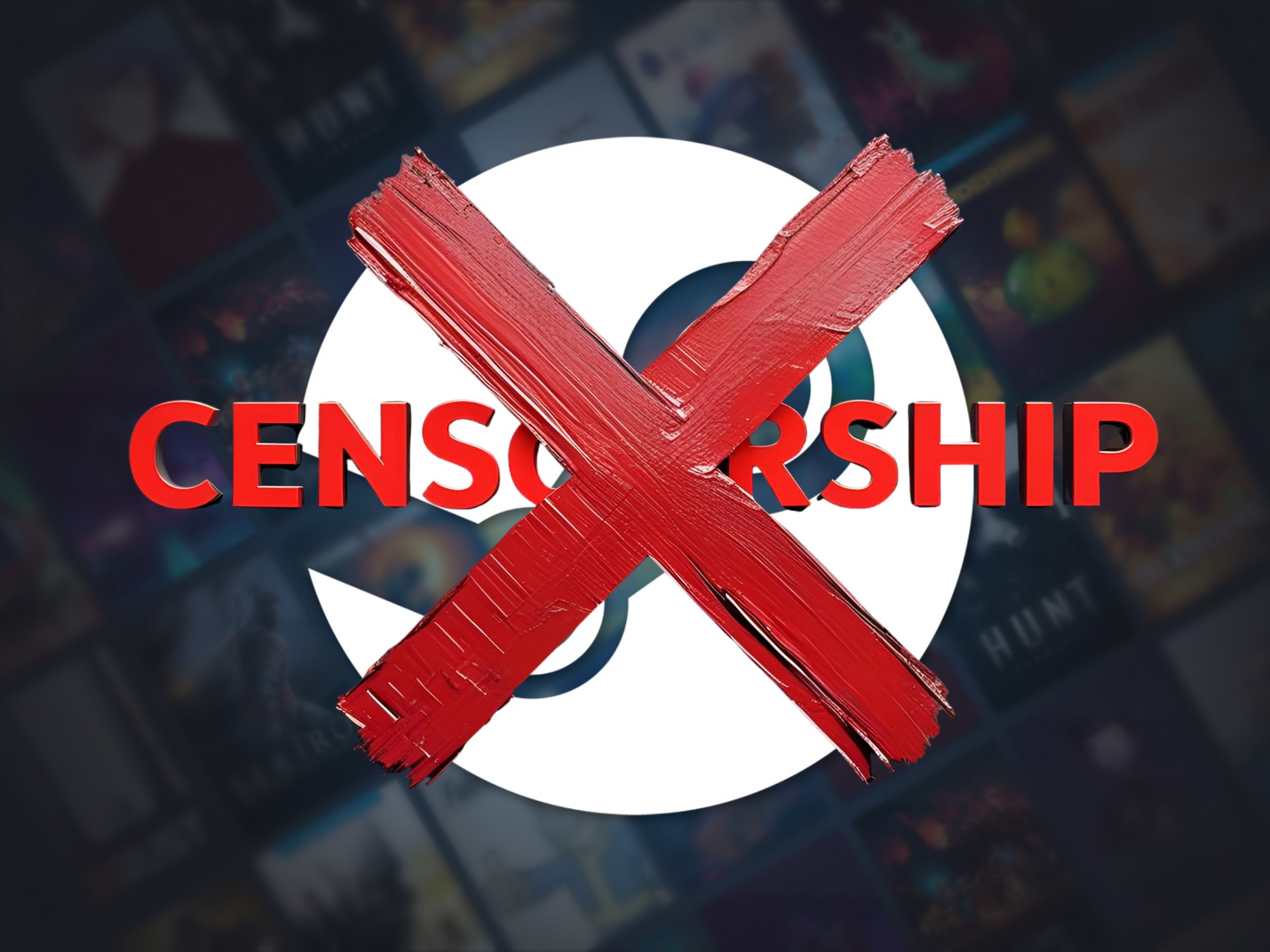
Consumers are voicing their discontent against payment processors that aim to ban adult-themed content on Steam, including games, movies, and art. A rapidly growing Change.org petition targets Visa and Mastercard, gathering momentum as it advocates against censorship and calls for reduced influence from activist groups on these companies.
Recently, Valve removed several mature content games from Steam, citing adherence to payment processor guidelines. This decision sparked immediate concern among gamers and anti-censorship advocates. The petition against Visa and Mastercard quickly doubled its signature count from 70,000 to over 140,000, highlighting fears about the control these payment networks have over accessible content.
While many removed games were either offensively titled or deemed low-quality, the heart of the petition lies in safeguarding adult-oriented content. Organizers worry about the potential sweeping elimination of such content, regardless of whether it contains problematic elements like sexual violence.
The petition also extends to protecting movies and art from unjustified censorship. It urges payment processors to honor “legal fictional content,” demanding transparency on why specific content is labeled harmful and insists on an appeals process for creators.
The impact of this growing petition remains uncertain, but the increased media scrutiny is driving awareness. However, some media outlets restrict their writers from commenting on this censorship issue. For instance, Vice Media recently compelled Ana Valens to remove an article that discussed the influence of the Australian activist group, Collective Shout, which pressures Visa and Mastercard to block adult game transactions. Valens’s refusal to comply eventually led to her resignation, along with several coworkers.
Critics accuse Visa and Mastercard of monopolizing the global payment system. Some industry analysts propose decentralized cryptocurrency as a potential alternative. Although Steam once supported Bitcoin transactions, high fees and fraud concerns led to their suspension.
Advocates continue to push for change, emphasizing the need for companies to provide clear justifications for banning content and maintain an open dialogue with creators.