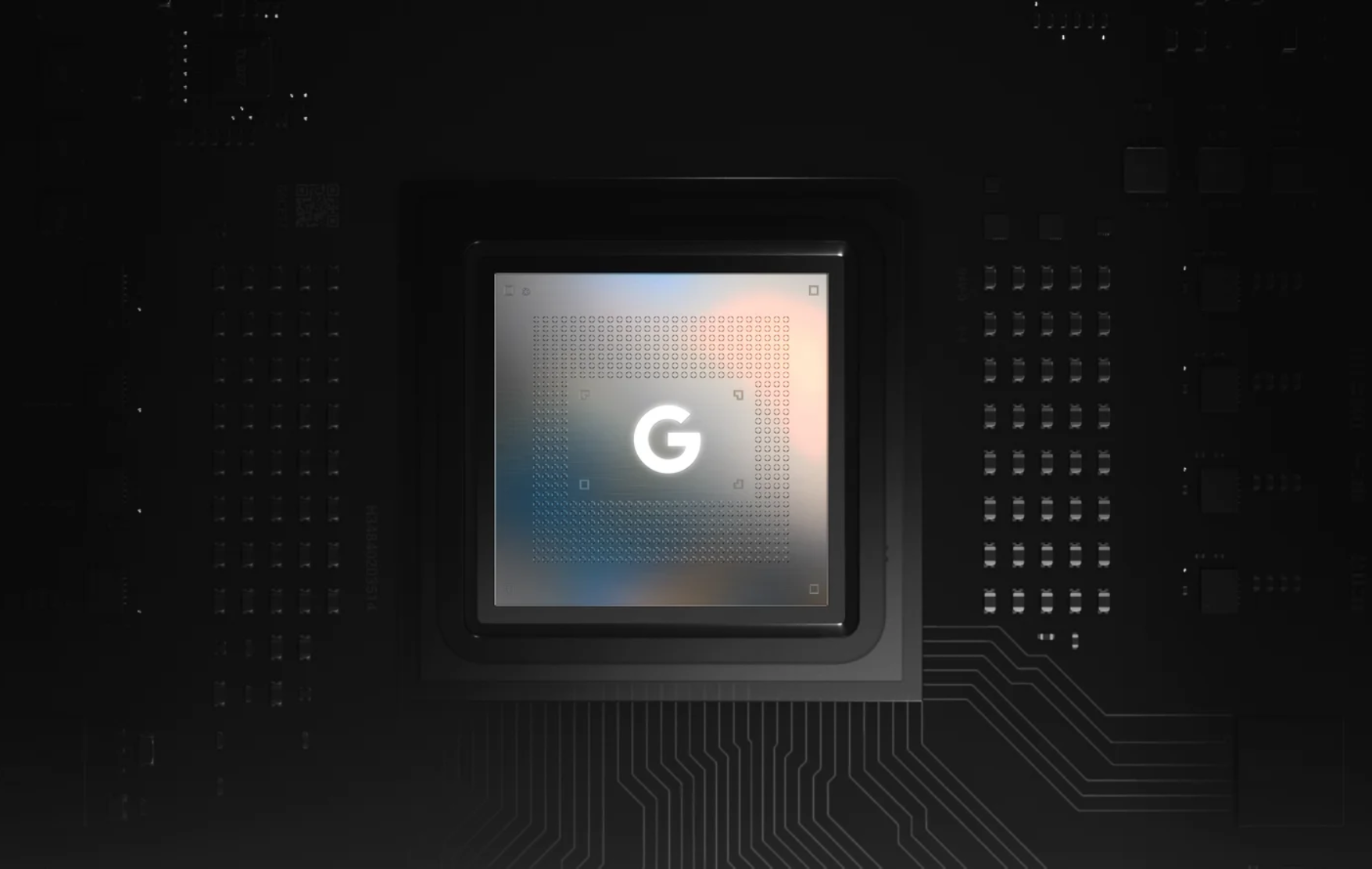
Google’s range of Pixel smartphones have often been at the forefront of cutting-edge mobile technology, with an emphasis on integrating artificial intelligence (AI) into their custom Tensor system on a chip (SoC). However, the latest iteration, the Google Tensor G4, powering the newly released Google Pixel 9 Pro XL, has come under scrutiny for its performance issues.
Recent testing of the Google Pixel 9 Pro XL, particularly in terms of how the device handles thermal throttling and sustained workload, has raised concerns. A user conducted a throttling test which revealed that the Tensor G4 SoC could lose up to 50% of its CPU performance under a full load. In this stress test conducted, after about three minutes of intense usage, the processor was observed to begin throttling. It reached its peak throttling point around the four-minute mark, where the performance dropped significantly to nearly 60% of its initial ability.
The performance output suggested that the Tensor G4’s capabilities, when measured in giga instructions per second (GIPS), started at an impressive 341 GIPS but averaged out at 246.6 GIPS. At the point of the most severe throttling, the SoC managed only 145.5 GIPS, representing a mere 42.6% of its maximum performance. Once the device cooled down slightly, the performance seemed to stabilize at about 65% of the maximum GIPS.
A closer examination of the CPU’s frequency chart indicated the Tensor G4 performance cores were clocked down to as low as 1.32 GHz, with the efficiency cores slowing down to 570 MHz during the test. Pre-release benchmarks pointed to the Tensor G4 being equipped with one core hitting upward of 3.1 GHz, three cores at 2.8 GHz, and four efficiency cores at 1.95 GHz. However, these under-stress frequencies were significantly lower.
It’s essential to note that the number of instructions per second is not the sole indicator of a processor’s overall performance. Moreover, this particular test presents a worst-case scenario that might not reflect everyday usage. Comparative tests with the former Tensor G3 used in the Pixel 8 Pro showed a lesser decline of about 12-14% in 3DMark due to throttling, making the new findings on the Tensor G4 more concerning.
While these results may not be reassuring to potential buyers looking for a phone that maintains peak performance under heavy usage, they represent an aspect of the device’s behavior in extreme conditions. Users are encouraged to consider their specific needs and usage patterns when choosing a smartphone to ensure that it can handle their expected workload.
If the Tensor G4’s performance is essential to your mobile experience, you may want to research further or consider alternative options. Google has not yet provided an official statement about the Tensor G4’s performance issues, so staying informed about user experiences and potential updates from Google is advisable.


