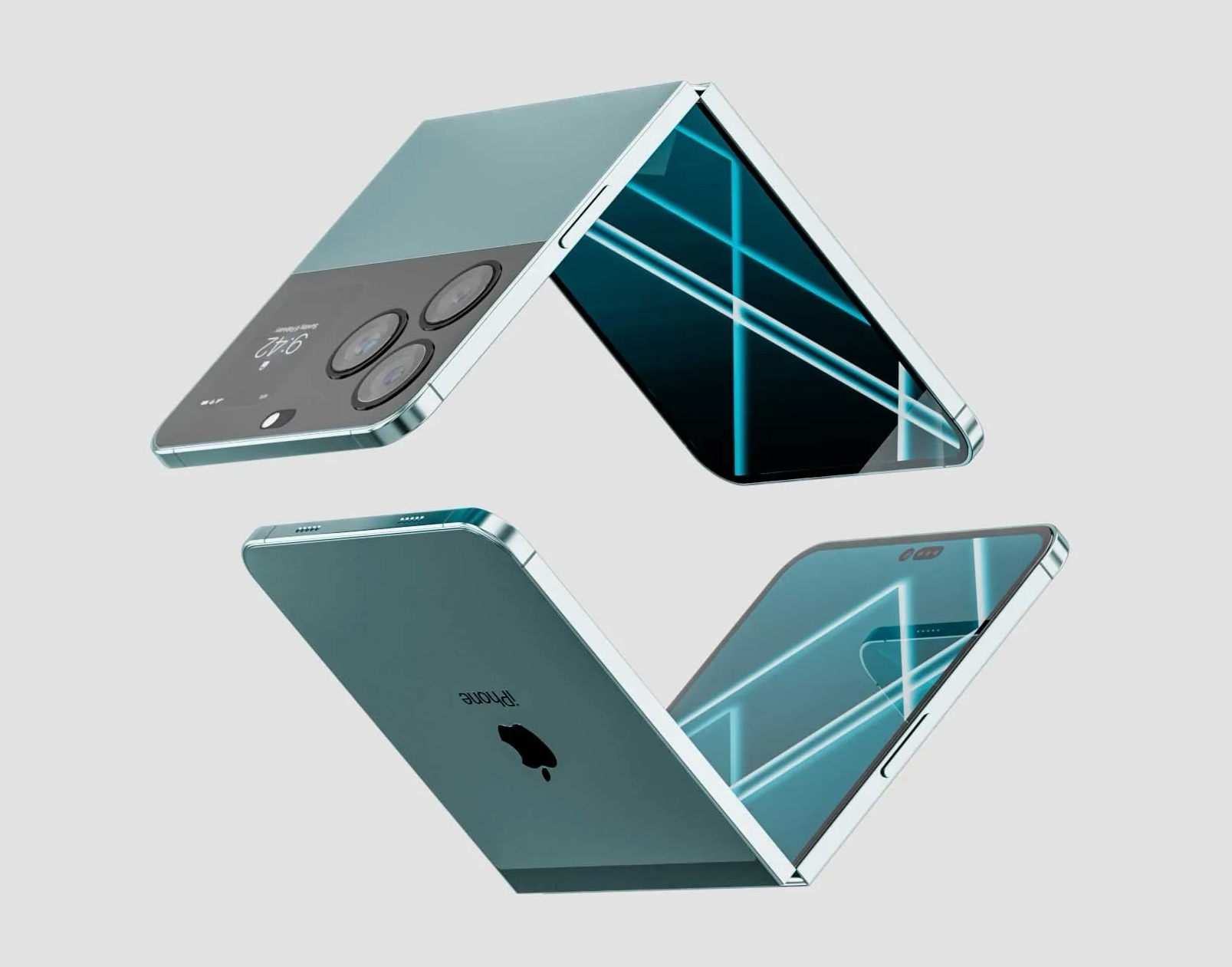
The creation of concept designs by enthusiasts is a well-known practice that allows artists to express their admiration and engage with their favorite brands. These conceptualizations can serve as a meeting point for creative efforts, consumer curiosity, and brand recognition. Apple, known for its influential and distinctive design philosophy, has often been the subject of such creative endeavors by fans. However, a recent event shows that sometimes these imagined designs can stir more than just the community’s interest.
One prominent concept artist, Antonio De Rosa, has recently found his Apple-inspired designs at the center of a peculiar interaction with the company. It has been reported that an attorney representing Apple reached out to De Rosa, acknowledging his talent and articulating a concern, suggesting that some of his designs might be mistaken for official Apple products due to their highly realistic portrayal.
The communication from Apple’s representative was reported as cordial and understanding. They expressed a desire to resolve the concern amicably rather than resort to demanding the removal of De Rosa’s work. This suggests a measured approach by Apple, acknowledging the fine line between fan-art appreciation and potential brand confusion.
De Rosa’s response to the contact from Apple displayed his surprise, initially doubting the authenticity of the interaction. Nevertheless, upon realization, he showed a readiness to collaborate with Apple to ensure no confusion arises from his artwork. His experience with Apple’s legal representatives was described as pleasant and non-aggressive.
Apple adopting a gentle touch in this situation is a strategic move that might be aimed at avoiding negative publicity and fostering good relations with its community members, especially as it is not entirely straightforward what legal avenues they could pursue against an independent artist for creating homage pieces.
De Rosa has opted not to disclose the specific changes discussed or the designs that caught Apple’s attention. What is apparent, though, is the artist’s passion for Apple’s products, which is showcased in his creation of comprehensive, imagined Apple products such as a foldable iPhone, dubbed the iPhone Air – a concept that has aligned with circulating rumors about Apple’s future products.
Additionally, concepts of high-profile devices like the iPhone 15 Pro Max have demonstrated De Rosa’s engagement with the anticipations and speculations around new Apple releases. His concepts have attracted considerable interest, captivating not just tech enthusiasts but also capturing the watchful eyes of Apple.
The incident is a clear indication of the thin veil that exists between admiring tribute and potential brand confusion in the realm of concept art, especially when such artwork closely mirrors or anticipates the aesthetic trajectory of a tech giant like Apple. The situation faced by Antonio De Rosa may serve as a useful lesson for concept artists and enthusiasts, shining a light on the importance of distinguishing fan-made concepts from official product designs to maintain transparency and avoid conflicting with the interests of the respective brand.