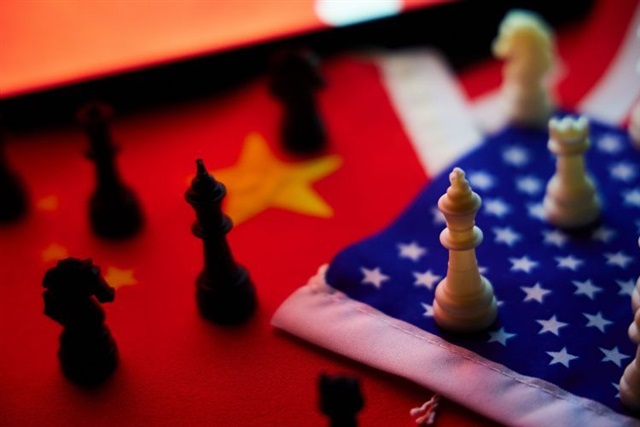
With President Donald Trump preparing for a high-profile visit to China in a little over a month, a fast-moving decision out of the US Department of Defense is drawing fresh attention in Washington, Beijing, and the global tech supply chain. A Chinese memory supplier was briefly placed on a US blacklist and then quickly removed, a whiplash reversal that could temporarily ease access for US original equipment manufacturers (OEMs) that rely on Chinese memory components—while also adding a new layer of complexity to the already sensitive political backdrop ahead of a Trump–Xi summit.
The episode matters because blacklists don’t just generate headlines; they influence purchasing decisions, compliance policies, and long-term supply agreements. When a supplier is designated, even briefly, many US companies pause orders, review legal exposure, and reassess whether it’s safe to keep that source in their bill of materials. When the designation is reversed just as quickly, OEMs and their partners are left navigating uncertainty: is the supplier truly in the clear, or is this the calm before another regulatory shift?
For US OEMs, the timing is particularly notable. Memory is a foundational component in everything from laptops and phones to servers, networking hardware, and industrial equipment. If Chinese memory makers remain accessible, it can help manufacturers manage costs, secure inventory, and diversify sourcing—especially when global demand swings or when other regions face bottlenecks. Even a short-lived signal that access could be restricted may push procurement teams to explore alternatives, but a reversal can restore short-term confidence and keep existing supply paths open.
At the same time, the sudden change can create a negotiating wrinkle ahead of Trump’s China trip. Trade, technology access, and national security concerns have repeatedly intersected in US-China relations, and restrictions involving semiconductors and memory technology are among the most closely watched issues on both sides. A swift blacklist removal may be interpreted in multiple ways: as an internal correction, a strategic recalibration, or an attempt to avoid escalating tensions right before major diplomatic talks. Regardless of the intent, it introduces fresh ambiguity into what might otherwise be a carefully choreographed pre-summit environment.
For the broader electronics market, the key takeaway is instability. Suppliers, distributors, and OEMs plan months—sometimes years—ahead. Sudden policy moves can trigger ripple effects such as price volatility, delayed product timelines, and a renewed push toward multi-sourcing strategies. Companies building consumer devices and enterprise systems alike will likely continue weighing the benefits of cost-effective memory supply against the risk that regulatory conditions could change again with little warning.
As the Trump–Xi meeting approaches, this brief blacklist reversal serves as a reminder that geopolitics and technology supply chains are tightly linked. For US OEMs and the global electronics industry, the coming weeks may bring more signals—formal or informal—about where policy is headed, and how easily access to key Chinese memory suppliers could shift again.