Global PC Shipments Drop 20% in Q3 2026 as Higher Prices and Supply Shortages Hit Demand
The global PC market took a sharp hit in the third quarter of 2026, with worldwide shipments falling 20.1% compared with the same period last year. The downturn reflects a difficult mix of supply constraints, rising component costs, elevated retail prices, and weaker demand after manufacturers and retailers stocked up earlier in the year.
According to IDC, PC shipments reached 62.7 million units in Q3 2026, down from 78.5 million units in Q3 2025. The decline was much steeper than the 3.8% year-over-year drop seen in the second quarter. Even more unusually, shipments also fell 9.1% from the previous quarter, despite the third quarter typically benefiting from back-to-school shopping and stronger seasonal demand.
One of the biggest reasons behind the slowdown appears to be early inventory stockpiling. Earlier in 2026, PC makers, distributors, and retailers bought extra systems to get ahead of expected price increases, especially those linked to rising memory costs. That helped support shipments in the first half of the year, but it also pulled demand forward. By the time the third quarter arrived, much of that buying had already happened.
At the same time, higher PC prices are making consumers and businesses more cautious. Supply issues and rising costs tied to the rapid expansion of AI data centers have added pressure across the technology supply chain. Memory and other components remain expensive, and those costs are filtering through to finished PCs.
Distributors are now trying to clear existing inventory while facing a market where buyers are less willing to pay higher prices. Short-term discounts and promotions may appear in some regions, but IDC expects PC prices to remain noticeably above last year’s levels through the rest of 2026 and into 2027.
The decline affected every major PC vendor, though some companies performed better than others.
Lenovo stayed in first place with 14.9 million shipments and a 23.8% market share, but its shipments were down 22.6% year over year. HP saw the steepest drop among the top five brands, falling 30.9% to 10.3 million units. Dell also struggled, with shipments down 25% to 7.6 million units.
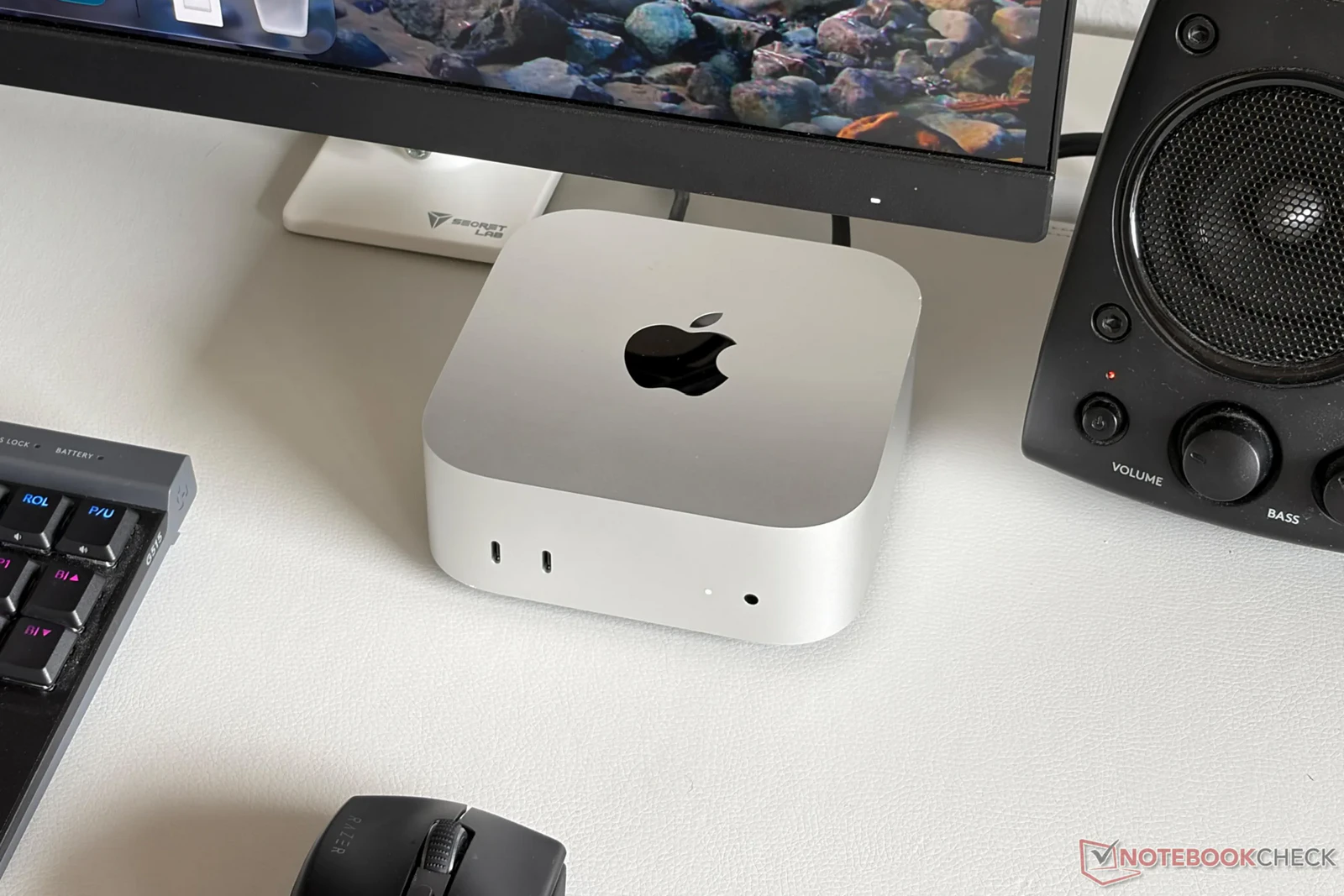
Apple held up better than most competitors. Its PC shipments declined 11.3% to 5.9 million units, allowing the company to increase its market share to 9.5%. ASUS also showed relative strength, shipping 5.5 million PCs, down 8.6% from a year earlier. Despite lower overall shipments, ASUS increased its share of the global PC market to 8.7%.
Together, Lenovo, HP, and Dell lost market share compared with last year as their shipments declined faster than the overall market. Apple and ASUS, meanwhile, gained share even as their total shipment volumes dropped.
The latest numbers suggest that the PC market is still dealing with the aftereffects of inventory shifts, component inflation, and uncertain consumer spending. While demand for laptops and desktops is not disappearing, buyers are becoming more selective, especially as prices remain high.
For now, the global PC industry faces a challenging period. Inventory needs to normalize, component costs must stabilize, and consumer confidence will need to improve before shipments can return to healthier growth. Until then, the market may continue to face pressure heading into 2027.


