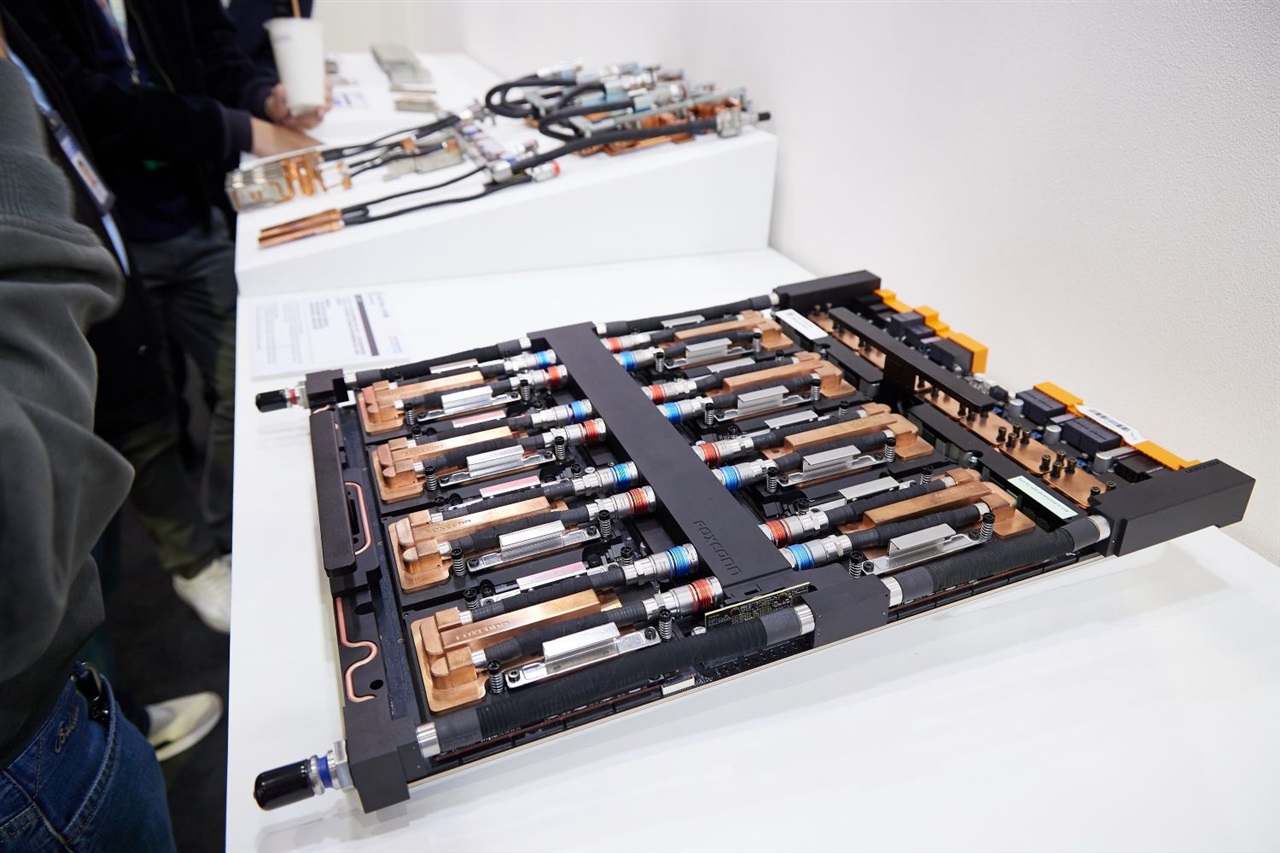
Two-phase liquid cooling is quickly moving from a niche concept to a major talking point in server and data center thermal management. Alongside this growing attention, the number of liquid cooling-related patents being filed and deployed is also rising—an indicator that companies are actively competing to secure long-term advantages in this fast-evolving space.
As servers and advanced chips generate more heat than ever, traditional air cooling is struggling to keep up. Single-phase direct liquid cooling is already being adopted more widely, but greater heat-dissipation demands are pushing the industry to look beyond incremental tweaks. In the near term, manufacturers are expected to continue refining the structure and performance of key single-phase direct liquid cooling components, especially cold plates, which play a central role in drawing heat away from high-power processors.
At the same time, research and development is accelerating around two-phase direct liquid cooling, a phase-change-based approach designed to improve cooling efficiency. The key appeal is performance: phase-change cooling can deliver a meaningful boost in heat transfer without requiring major changes to the overall server hardware architecture. That makes it an attractive next step for data centers that want better thermal performance while minimizing redesign costs and deployment complexity.
Momentum is building toward a broader wave of two-phase liquid cooling offerings, with more solutions expected to appear by 2026. If this timeline holds, the market could see a shift where two-phase designs become a more common option for handling higher power densities in next-generation computing environments.
Overall, liquid cooling is expanding far faster than air cooling, and the competitive landscape is heating up as patents increase and development accelerates. Meanwhile, immersion cooling is steadily progressing into a commercial growth phase, positioning itself as another serious contender. Together, these liquid-based approaches are becoming a powerful force reshaping the thermal management market—especially as AI workloads, high-performance computing, and dense server deployments continue to push cooling requirements to new extremes.