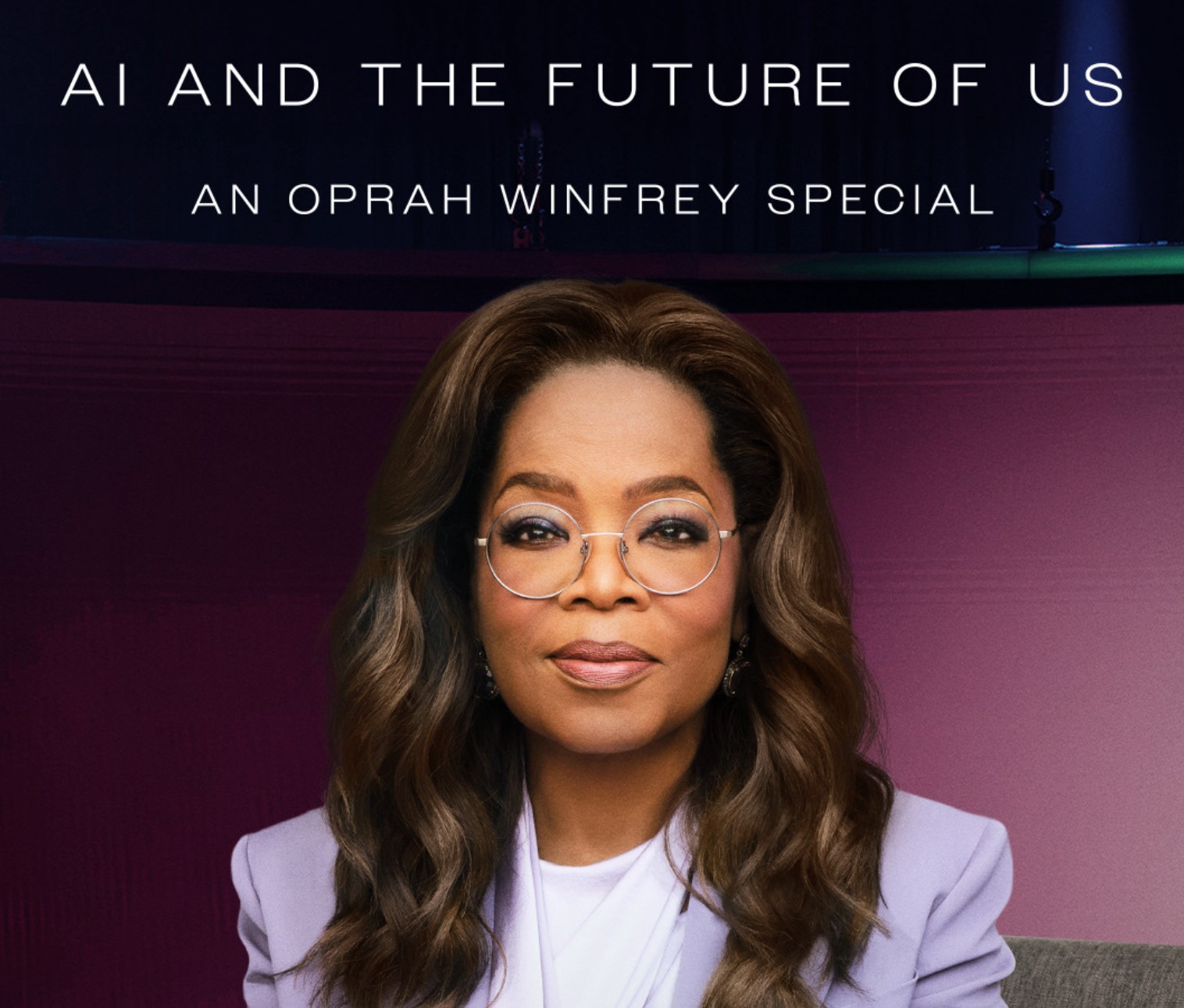
Oprah Winfrey recently hosted an insightful hour-long broadcast on ABC titled “AI and the Future of Us,” where she delved deep into the ever-evolving world of artificial intelligence. The program aimed to shed light on the multifaceted implications of AI, both promising and perilous, to help the general public better understand this transformative technology.
Featuring notable figures at the forefront of AI innovation, the show included interviews with Microsoft co-founder Bill Gates and OpenAI CEO Sam Altman. These visionaries have been instrumental in shaping modern AI, with Microsoft investing a staggering $13 billion in OpenAI. This partnership has propelled OpenAI’s GPT models, like ChatGPT and CoPilot, into widespread use and recognition.
During the interview, Oprah highlighted the glaring lack of diversity among AI developers, who are predominantly white males. Sam Altman acknowledged this issue and mentioned ongoing efforts to address it, though progress has been slower than necessary. Despite the massive investment from Microsoft, diversification has not been a primary focus for OpenAI. Altman expressed his hope that AI will eventually enable everyone to create and innovate freely, although, unlike some rivals, OpenAI does not release its AI technology for free.
When questioned about the rapid pace of AI development, Altman admitted he is often kept awake by the uncertainties and potential economic upheavals that AI could bring. He emphasized the importance of transparency and responsible AI deployment to build public trust. However, his responses suggested that in the absence of inclusive public scrutiny, the control and direction of AI might remain concentrated among a powerful few.
Bill Gates shared his belief that AI’s societal impact will surpass that of the PC, Internet, and mobile phones combined. He lauded AI’s potential to revolutionize healthcare and education while expressing concerns about its implications for the workforce and the spread of misinformation. Gates argued that collaboration between AI companies and governments is essential to mitigate these risks, although minimizing diverse viewpoints could hinder free speech.
The broadcast also featured social media influencer Marques Brownlee, who demonstrated the astonishing capabilities of current AI technologies. He showcased a lifelike generative video and used AI to clone his own voice convincingly, illustrating both the marvels and potential misuses of AI in creating deepfakes.
One particularly unsettling account came from a mother who received a distressing call mimicking her daughter’s voice, which turned out to be an AI-generated scam. This incident underscored the ease with which AI can replicate voices, posing serious security threats. Participants also reflected on AI’s positive impacts, emphasizing its role in fostering human qualities such as growth, love, and the pursuit of knowledge.
Tech pioneers Aza Raskin and Tristan Harris of the Center for Humane Technology voiced their concerns about AI’s rapid advancement, which they believe outpaces societal readiness to handle its risks. Raskin lamented that features like infinite scroll, which he developed, have led to widespread addictive behaviors. Both advocates are calling for legislative action to decelerate AI development, allowing time to address the potential hazards.
FBI Director Christopher Wray highlighted AI’s exploitation by criminals to create hazardous content and extort vulnerable individuals. He expressed grave concern over China’s extensive hacking activities, which pose significant threats to American data security. Furthermore, countries like China and Russia are using AI to impersonate Americans on social media, aiming to influence political outcomes.
Pulitzer Prize-winning novelist Marilynne Robinson discussed AI’s potential to strip away the human element in creative expressions. She criticized the concentration of power and wealth within the AI sector, cautioning that a lack of genuine human connection could lead to more harm than good. Robinson advocated for using AI in fields like drug discovery but warned against its encroachment into essential human endeavors, comparing AI’s secretive development to the historical Manhattan Project.
Oprah concluded with a powerful reminder for society to stay vigilant about AI. She emphasized the importance of discerning its dangers, understanding what constitutes AI-generated versus human wisdom, and recognizing who we are amidst these rapid developments. According to Oprah, the stakes surrounding AI have never been higher, and it is imperative for everyone to remain informed and engaged.