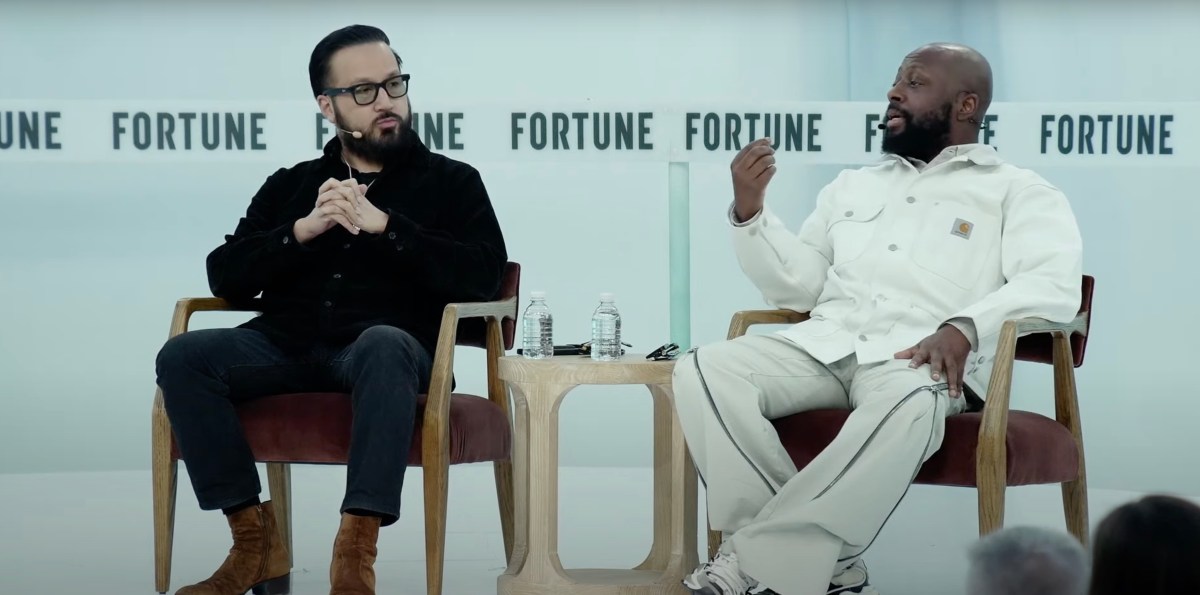
Wyclef Jean says the music industry is broken, and he’s betting on a new path that puts artists first. The Grammy-winning musician has joined OpenWav as chief creative officer, helping build a direct-to-fan platform that lets creators release music and exclusives, connect with supporters, sell merch, and host real-world experiences like concerts, pop-ups, and listening parties—all in one place.
His critique lands where many artists feel the pinch: streaming economics. “If you’re a new artist, the amount of streams you have to rack up to get $10,000 is literally a rip-off,” Jean said, echoing a growing frustration with the current model. He pointed to Cardi B selling CDs and vinyl on the street in a recent TikTok as more than a gimmick—it’s a spotlight on how hard it is to earn a living from streams alone.
OpenWav co-founder and CEO Jaeson Ma is equally blunt about the numbers. “Right now on Spotify, for $3,000 you have to hit 1 million streams,” he said. His takeaway: algorithms aren’t rewarding music, and chasing virality doesn’t build sustainable careers. Instead of a million casual listeners, he argues most artists need 1,000 true fans. If each of those superfans spends $10 a month, that’s $120,000 a year—real money that can fund tours, studio time, visuals, collaborators, and growth.
OpenWav is designed around that superfan economy. Artists can:
– Drop new music and exclusives first to their community
– Sell tickets and keep 80% of the profit, with every ticket-buyer automatically added to an event chat, similar to a dedicated Discord, so artists can talk directly to attendees
– Launch merch with zero upfront costs via global dropshipping, including dropping products inside the same community chat
– Own their audience by collecting fans’ email addresses and phone numbers, rather than building on rented social algorithms
While major platforms are exploring premium tiers and superfan programs, OpenWav is zeroing in on independent musicians and emerging artists—those who benefit most from owning their data, keeping more of their revenue, and building tighter-knit communities. The goal isn’t to replace streaming; it’s to give artists a business model that doesn’t depend on it.
AI is also central to the company’s vision. Today, creators can use AI inside OpenWav to design merch and experiment with visuals. Next, the team plans to roll out features that act like an always-on creative manager—suggesting tour stops based on where fans are, recommending merch ideas likely to convert, and helping produce assets like album art and lyric videos. Jean sees AI as a way to supercharge creativity, and Ma points out that top producers are already using generative tools like Suno as modern samplers to iterate faster.
“Your true fans will pay you,” Ma said. “They’ll buy tickets. They’ll buy exclusive drops. They’ll buy your merch. If you’re making just 10 bucks a month from each, you can build a sustainable career.”
OpenWav’s thesis resonates with the broader creator economy: ownership beats reach, community beats algorithms, and superfans beat passive listens. For artists tired of chasing playlists and trends, a platform that bundles music releases, ticketing, chat, merch, and audience ownership could be the difference between a side hustle and a career.
OpenWav is available now on iOS and Android, with additional AI features arriving in the next phase.


