OpenAI is reportedly moving quickly on plans for its first AI-enabled smartphone, a device that could become a centerpiece in the company’s broader consumer strategy. The project now appears to be on a faster timetable than previously expected, with mass production targeted as early as the first half of 2027. One potential reason for the urgency is the growing race around “AI agent phones,” along with the desire to strengthen a public-market narrative if OpenAI pursues an IPO as soon as this year.
According to well-known analyst Ming-Chi Kuo, OpenAI’s consumer hardware roadmap has shifted. Instead of spreading efforts across multiple device categories, the company is said to be concentrating on a smartphone designed around real-time AI agent experiences. In practical terms, the phone would aim to reduce dependence on traditional app-by-app workflows, replacing them with an AI assistant that can observe context, understand what the user is trying to do, and execute tasks through a mix of on-device processing and cloud-based models.
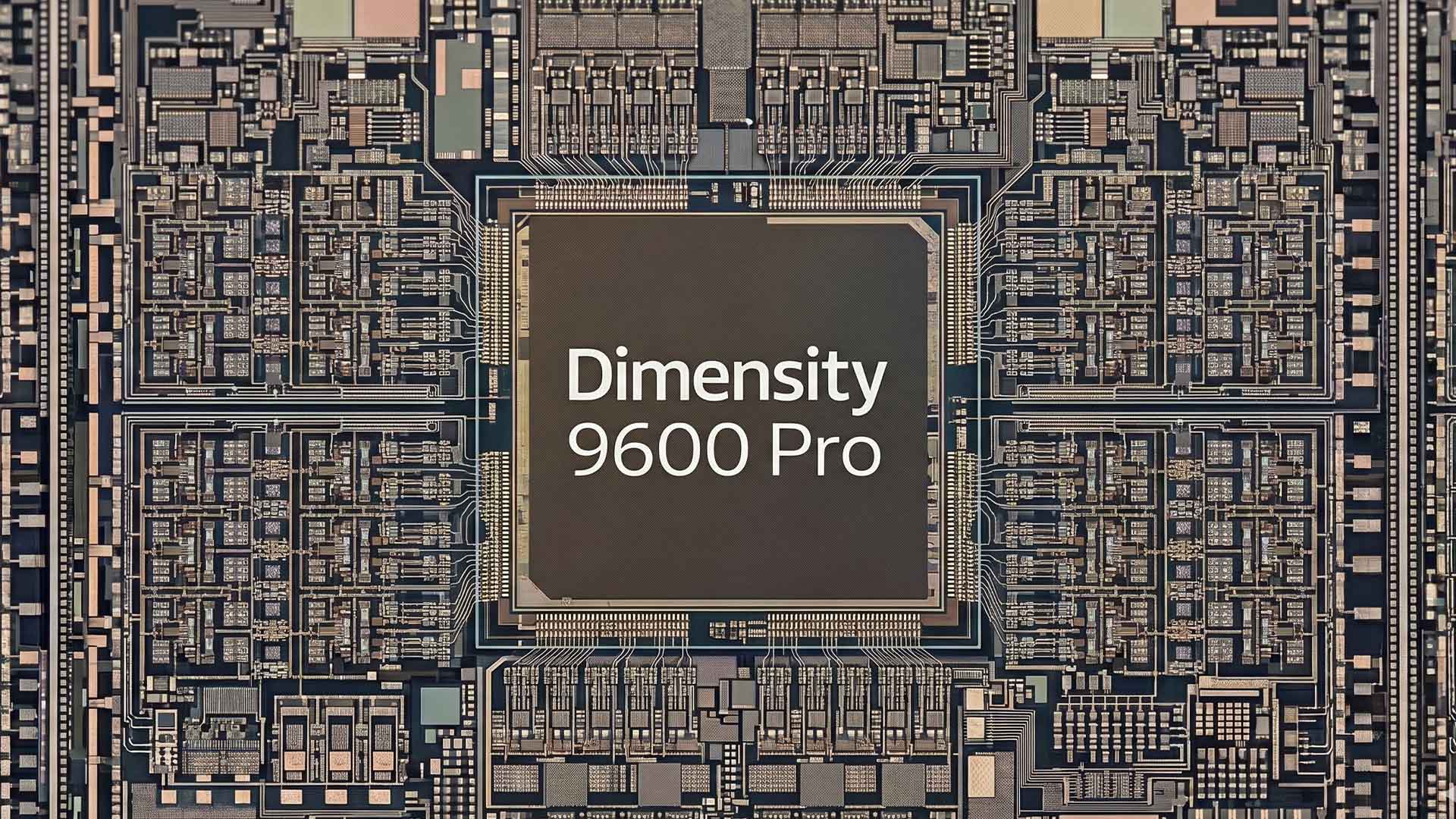
A major new detail in the latest update is the chipset direction. OpenAI is now said to be leaning toward a customized version of MediaTek’s upcoming flagship Dimensity 9600 as the system-on-chip for the phone. MediaTek is expected to introduce two Dimensity 9600 variants later this year, including a standard model and a higher-end Pro version, though it’s not yet clear which one OpenAI would base its custom chip on.
The Dimensity 9600 family is expected to be built on TSMC’s advanced N2P manufacturing node. Early expectations for the Pro model suggest a CPU setup built around next-generation ARM cores, using a 2+3+3 configuration similar to the performance-focused layouts anticipated in other top-tier mobile chips. GPU details may vary by version as well, with current chatter pointing to different graphics solutions depending on whether the chip is the standard or Pro variant.
What matters most for OpenAI’s goals is how the chip is being tailored. The customized Dimensity 9600 reportedly focuses heavily on AI and “real-world sensing” improvements. One highlighted change is an upgraded image signal processor, including an enhanced HDR pipeline intended to improve visual understanding in everyday environments. That points to a phone designed not just to take photos, but to interpret what the camera sees for AI-driven assistance, such as identifying objects, reading text, understanding scenes, and supporting always-available contextual help.
On the AI side, the chip is said to include a dual-NPU architecture designed for heterogeneous AI compute, which can help distribute different AI workloads more efficiently. The configuration is also rumored to pair LPDDR6 memory with UFS 5.0 storage to reduce bottlenecks, a key requirement if OpenAI wants fast, responsive AI features that don’t constantly pause to fetch data or wait on memory bandwidth. For security, the report mentions pKVM and inline hashing, indicating a focus on protecting sensitive data and strengthening device-level trust—an important consideration for a phone that may handle personal context, real-time activity, and user “state” information.
This aligns with the broader concept described for OpenAI’s phone: hardware built to capture a user’s full real-time context, manage memory and system resources intelligently, and deliver enough local compute for on-device inference—while pushing heavier, more complex tasks to the cloud when needed.
If development stays on schedule, Kuo estimates OpenAI could sell around 30 million units between 2027 and 2028. That’s an ambitious target for a new entrant in smartphones, but it reflects how big the “AI-first phone” category could become if OpenAI can deliver a noticeably better experience than today’s voice assistants and app-centric interfaces.
For now, the biggest takeaways are the accelerated timeline, the apparent choice of a custom MediaTek Dimensity 9600 platform, and a feature strategy centered on real-time AI agents, advanced visual sensing, and a hybrid on-device/cloud AI approach designed to make the phone feel proactive, fast, and context-aware.