OpenAI has rolled out GPT-5.2 with a strong focus on making ChatGPT safer and more responsible, especially in areas that have historically raised concerns. According to the new details, the system now produces fewer undesirable responses across several sensitive categories, including self-harm, mental health crises, extremism, personal data misuse, and sexual abuse. The goal is clear: reduce harmful outputs while keeping the assistant useful for everyday questions and creative work.
One of the most significant changes tied to this release is predictive age detection. ChatGPT can now automatically identify when a user is likely under 18 and route them to a more age-appropriate experience. In that version, graphic sexual content is blocked. The system is also designed to take safety concerns more seriously when it believes a user may be in danger, including escalating severe cases by contacting law enforcement. While these measures will be debated by some users, the intent is to tighten safeguards around high-risk situations and reduce the likelihood of real-world harm.
Alongside the GPT-5.2 announcement, OpenAI also revealed a major new partnership involving a $1 billion investment from Disney. The arrangement is structured to benefit both sides. Disney gains access to OpenAI services and also receives warrants that allow it to buy additional OpenAI stock at the company’s current valuation, giving Disney potential upside if OpenAI’s value increases.
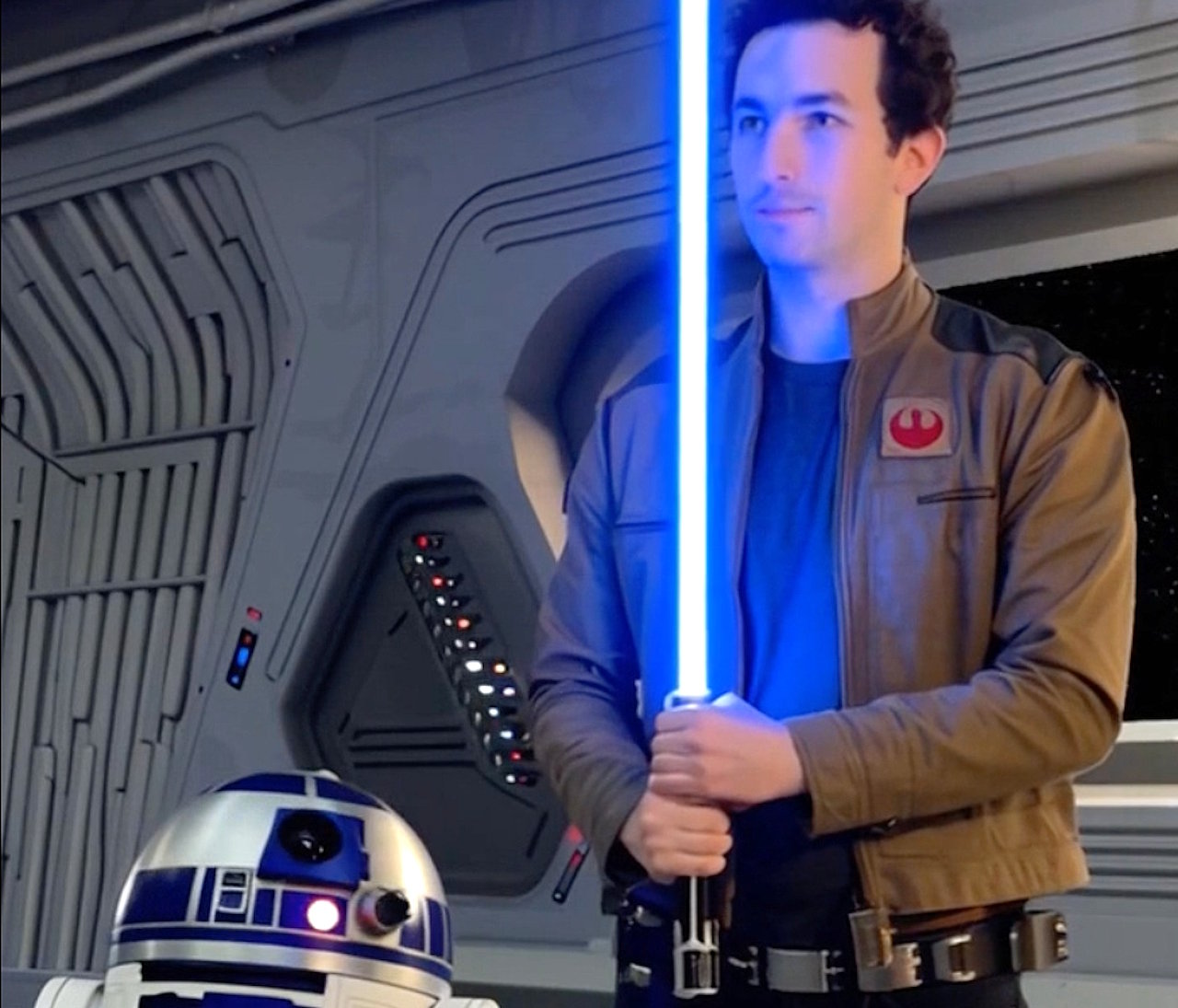
For OpenAI, the collaboration unlocks something that’s likely to get a lot of attention from creators: licensed access to more than 200 Disney characters for use inside Sora, OpenAI’s image and video generation technology. This license runs for three years, and it’s expected to start showing up in consumer-facing features in early 2026. In practical terms, that means people will be able to generate images and videos that incorporate popular Disney characters in their own projects.
However, there are important boundaries. The deal includes limits on what those characters can be made to do, with the express goal of preventing harmful or inappropriate content. That suggests OpenAI is not only expanding creative capabilities but also trying to avoid the legal and ethical pitfalls that can come with mixing powerful generative AI and globally recognized fictional characters.
So far, no additional financial details have been shared beyond the headline investment figure, leaving key questions unanswered—such as how revenue might be shared, what specific OpenAI services Disney will use, or how the character licensing terms work behind the scenes.
Between GPT-5.2’s expanded safety measures and the Disney partnership that could reshape what’s possible with AI-generated video and imagery, OpenAI is signaling a broader strategy: grow creative tools and mainstream appeal while tightening controls in the most sensitive areas.