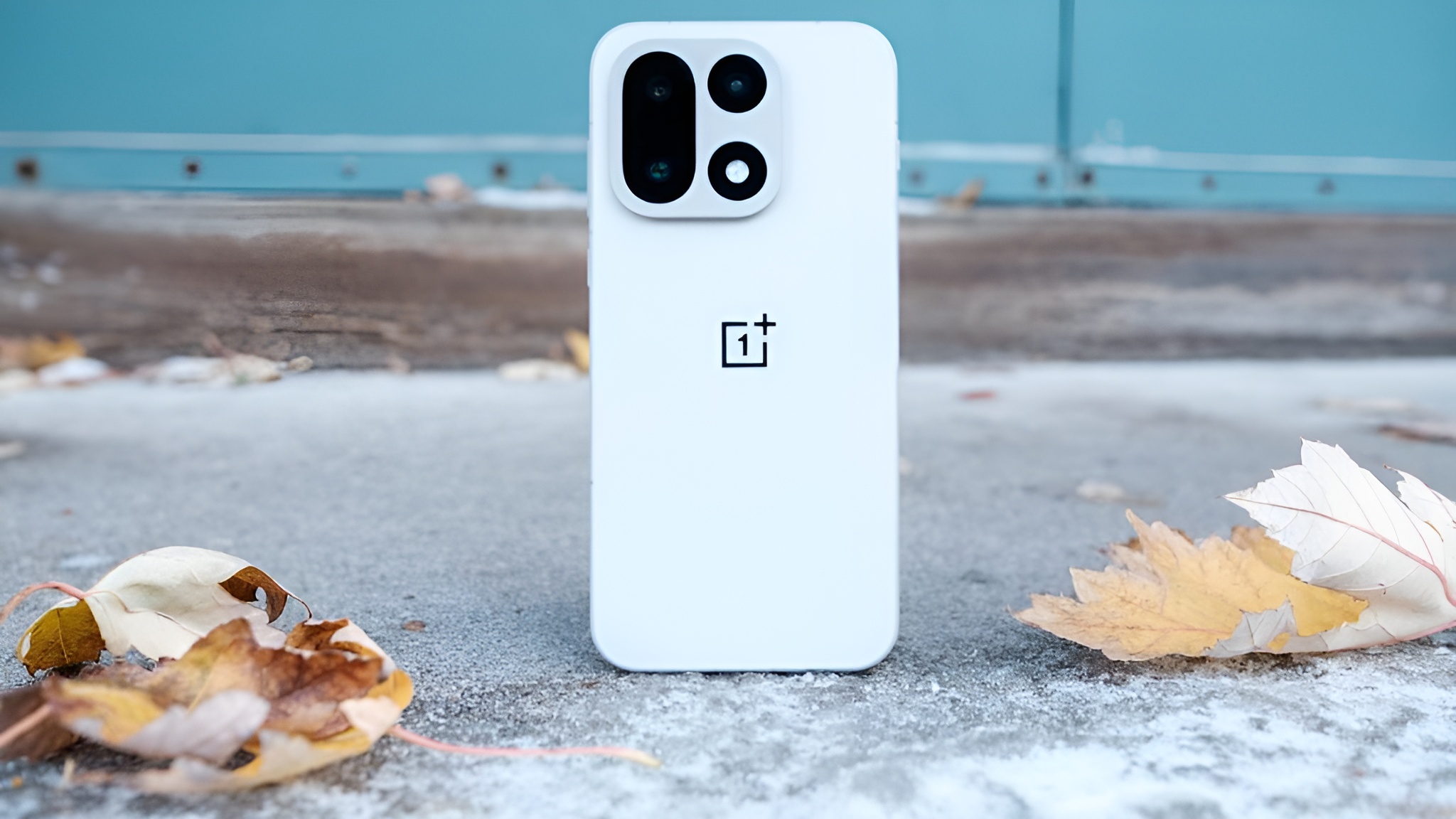
Early reports suggest the OnePlus 15 may be running hotter than expected, and the conversation around it just got louder. A well-known tipster said his critical post about the phone’s temperatures was taken down at the company’s request, turning a technical hiccup into a PR headache.
According to reviewer Debayan Roy, his OnePlus 15 review unit hit around 50 degrees Celsius during outdoor 4K 60fps video recording in winter conditions. After roughly five minutes, the phone reportedly stopped the recording and briefly disabled the camera. He also noted that the device behaved normally indoors and handled everyday tasks without issue; the problems surfaced primarily during sustained, high-load scenarios like extended 4K video capture.
Shortly after sharing those findings, Roy said he was asked to remove his post. That move has only intensified scrutiny. Suppressing criticism tends to amplify it, and the situation now raises broader questions about how the brand is handling early feedback.
There are technical reasons this might be happening. The Snapdragon 8 Elite Gen 5 is a performance-first chip that can draw up to an estimated 22W under heavy load—territory typically seen in ultraportable laptop CPUs. For context, a high-end gaming laptop can consume around 15W even at idle and sits near 62 degrees Celsius, all while relying on active cooling with fans spinning at thousands of RPM. Smartphones, by contrast, lack active cooling, making sustained heat dissipation far more challenging.
Benchmark stress tests like 3DMark Wild Life Extreme are known to expose thermal limits, and it’s not surprising that any device driven by such a power-hungry platform might throttle or shut down camera features to protect itself during extreme workloads. OnePlus does advertise an enlarged vapor chamber with claims of doubled heat dissipation, and that likely explains why routine use remains smooth. The edge cases are where the thermal ceiling becomes apparent—long 4K60 recordings, heavy gaming, and repeated synthetic benchmarks.
What does this mean for potential buyers? In typical daily use—social apps, browsing, short videos, light photography—the phone should feel fast and stable. If you plan to record long, high-resolution videos or push demanding games at max settings, you may encounter thermal throttling or auto-shutdown safeguards until (or unless) firmware optimizations arrive.
Practical ways to reduce heat during demanding tasks include:
– Recording at 4K 30fps instead of 60fps for extended clips
– Taking short breaks between long captures
– Avoiding direct sunlight and hot environments
– Closing background apps before filming or gaming
The bigger story is how the company responds. A transparent acknowledgment, coupled with targeted updates to thermal management and camera behavior, could settle concerns quickly. Until then, it’s wise to watch for independent tests, longer-term reviews, and software update notes that specifically address temperatures, stability, and camera reliability during sustained workloads.