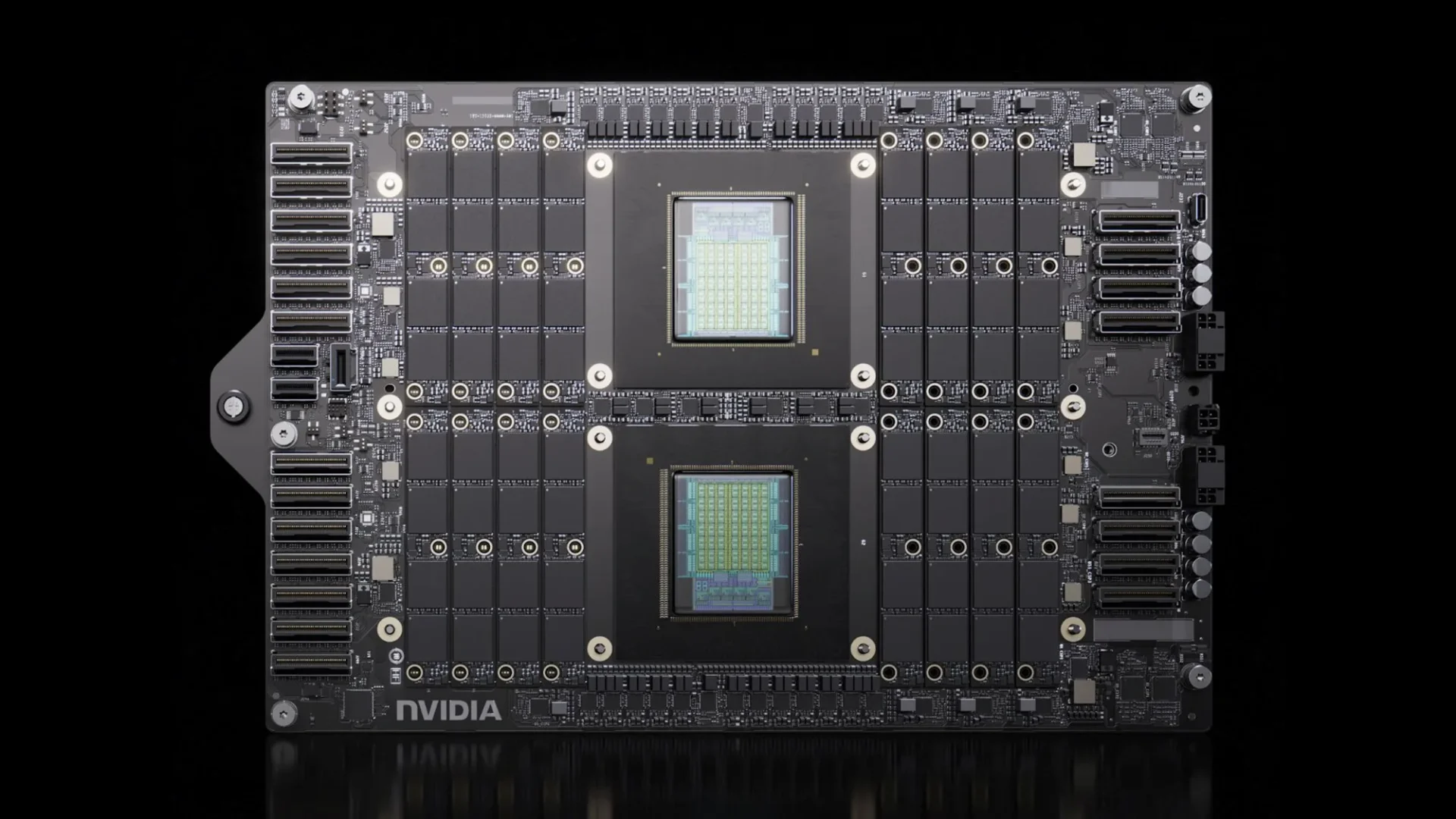
NVIDIA Vera CPU Shows Strong Agentic AI Performance Against AMD EPYC Zen 5
NVIDIA’s Vera CPU is drawing attention for its impressive performance in agentic AI workloads, especially in large-scale environments where thousands of AI sandboxes need to be launched, managed, and kept productive at the same time. New benchmark results shared by Daytona show that Vera can deliver major gains over AMD’s EPYC Zen 5 processors in workloads built around AI-generated code execution and autonomous agent workflows.
Agentic AI is changing what modern data center hardware needs to do. While GPUs remain critical for training and inference, many agent-based workflows depend heavily on CPU performance. These workloads often involve file systems, dependency management, shell operations, testing environments, and isolated sandboxes. In simple terms, AI agents do not just think; they also execute, test, modify, and interact with software environments. That makes CPU speed, responsiveness, and scalability extremely important.
Daytona, a runtime platform designed for AI-generated code execution and agent workflows, tested NVIDIA Vera against AMD EPYC Zen 5 chips using the same coding-agent task across large fleets of Daytona sandboxes. The goal was not only to measure raw throughput but also to see how quickly each platform could bring massive numbers of sandboxes online.
The results show a clear advantage for NVIDIA Vera in this specific agentic AI benchmark.
NVIDIA Vera reached a peak throughput of 13.3 completed agent jobs per second. It also brought 1,000 sandboxes online in just 10.8 seconds and scaled to 2,000 sandboxes in 27.4 seconds. By comparison, AMD’s EPYC 9755 took 88.4 seconds to bring 1,000 sandboxes online. That gives Vera roughly an 8x advantage in sandbox startup time against that EPYC Zen 5 chip.
The faster-clocked AMD EPYC 9575F performed better than the EPYC 9755, reaching 1,000 sandboxes in 32.3 seconds. Even so, NVIDIA Vera remained ahead. In fact, Vera was able to bring 2,000 sandboxes online faster than the EPYC 9755 could launch 1,000.
This is where Vera’s per-core performance becomes especially important. Agentic AI workloads are not always about having the highest number of cores. They often depend on how quickly individual CPU cores can handle complex, fast-moving tasks across isolated environments. Daytona’s results suggest that Vera’s architecture is well suited for this type of workload, giving it an edge in responsiveness and density.
Throughput was another important part of the comparison. According to the benchmark data, the EPYC 9575F leveled off at around 8 completed agent jobs per second, while the EPYC 9755 reached around 11 completed agent jobs per second. NVIDIA Vera climbed to 13.3 completed agent jobs per second and stayed close to 13 even with 2,000 active sandboxes.
That consistency matters. In real-world AI infrastructure, peak performance is only one part of the story. A platform also needs to remain stable and efficient when fully loaded. For companies running thousands of AI agents, the ability to maintain high throughput under pressure can directly affect productivity, server requirements, power usage, and operating costs.
Daytona also shared machine efficiency estimates for sustaining large workloads. To complete 1,000 jobs per second, NVIDIA’s Vera platform would require around 15% fewer machines than the AMD EPYC 9755 and about 38% fewer machines than the EPYC 9575F. That could translate into lower total cost of ownership, especially for companies building large-scale AI infrastructure.
Fewer machines can mean reduced power consumption, lower cooling demands, less rack space, and simpler scaling. For AI factories and cloud platforms running agent-heavy workloads, this kind of density improvement may be just as valuable as raw benchmark leadership.
Daytona’s technical leadership emphasized that the most important result was not simply Vera’s peak number, but how well it behaved once the machine was full. The key takeaway was that Vera continued running agent workloads at nearly the same rate all the way up to 2,000 sandboxes, with only a small slowdown instead of a sharp performance drop.
That stability is important because agentic AI turns infrastructure into a density challenge. Every agent may need its own file system, tools, runtime, and isolated environment. These environments must be created quickly, kept alive, and used efficiently on shared hardware. A CPU that can rapidly launch thousands of sandboxes while maintaining strong job completion rates can offer a meaningful advantage.
NVIDIA Vera appears to be a significant step forward for NVIDIA’s CPU ambitions in AI infrastructure. Compared with the company’s earlier Grace CPU efforts, Vera seems better positioned for the growing agentic AI market, where CPU performance is becoming increasingly central.
AMD’s EPYC processors remain highly competitive across data center workloads, and future EPYC platforms focused on AI infrastructure could deliver stronger results in similar tests. However, in Daytona’s current agentic AI benchmarks, NVIDIA Vera stands out for its fast sandbox startup times, high sustained throughput, and ability to support dense AI agent deployments.
As enterprises move deeper into autonomous coding agents, AI software development tools, and large-scale agent workflows, CPU architecture will play a bigger role in overall AI performance. These benchmarks suggest that NVIDIA Vera is not just a supporting processor for AI systems, but a serious contender for powering the next generation of agentic AI infrastructure.