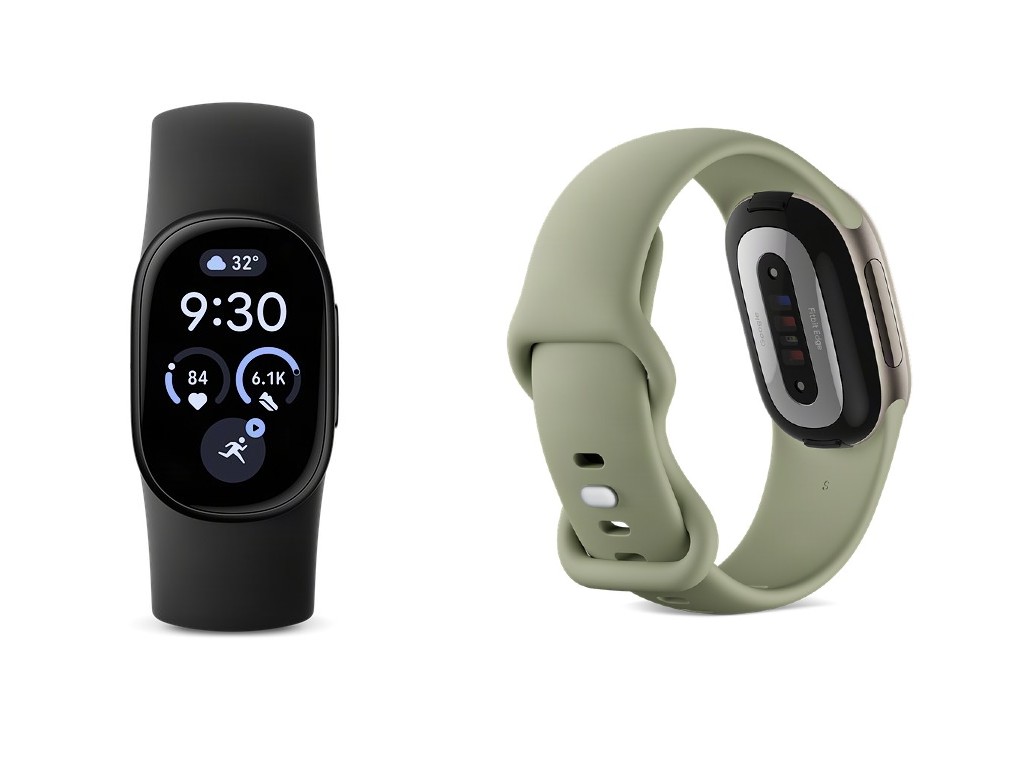
Google Fitbit Edge Launch Set for October 12: Display, Battery Life, Health Features, and Expected Price
Google is preparing to expand its 2026 wearable lineup with a new fitness tracker called the Fitbit Edge. After weeks of leaks pointing to its design, features, and pricing, the company has now teased an official announcement for October 12, 2026.
Although Google’s teaser does not directly name the device, the image and wording strongly suggest that the Fitbit Edge will be the product revealed. The new wearable is expected to launch in several major markets, including North America and Europe.
The Fitbit Edge appears to be designed for users who want more than a basic fitness band but do not necessarily need a full smartwatch. It is expected to sit between the Fitbit Air and the Pixel Watch 5, offering a compact fitness-focused device with a proper display, long battery life, and advanced health tracking features.
One of the biggest upgrades is the inclusion of a 1.34-inch AMOLED display. This should make the Fitbit Edge more useful for checking fitness stats, notifications, maps, and media controls without needing to reach for a phone. Unlike simpler trackers, the Edge seems aimed at people who want a richer screen experience while still keeping the lightweight feel of a fitness band.
Leaked specifications suggest the Fitbit Edge will weigh around 17.7 grams, making it very light and comfortable for all-day wear and sleep tracking. It is also expected to offer up to 7 days of battery life on a single charge. With the always-on display enabled, battery life may drop to around 2 days.
Another notable detail is the reported user-replaceable battery. If accurate, this could give the Fitbit Edge a major advantage over many modern wearables, which often require professional servicing or full replacement when the battery wears out. Fast charging support is also expected, making it easier to top up the device quickly before workouts or travel.
For durability, the Fitbit Edge is said to carry an IP68 rating for dust and water resistance. That should make it suitable for everyday use, workouts, rain, and general exposure to water, although Google’s official guidance will confirm the exact limits after launch.
Health tracking is expected to be one of the Fitbit Edge’s strongest selling points. Leaks point to a skin temperature sensor, ECG support, and atrial fibrillation detection. These features would make the device more than just a step counter, giving users deeper insights into heart health and wellness trends.
The Fitbit Edge is also expected to support Google Maps, media controls, and a Find My Phone feature. These additions would make it more practical for daily use, especially for people who want quick access to essential tools from their wrist without buying a full smartwatch.
Compatibility should be broad, with support expected for both Android and iOS devices. That could help the Fitbit Edge appeal to a wider audience, especially users who prefer Fitbit’s health platform but do not want to be locked into one phone ecosystem.
Color options are also expected to match Google’s broader hardware lineup. Leaks suggest the Fitbit Edge will be available in shades such as Obsidian, Olive, and Fog, giving buyers several choices that align with recent Pixel phones and watches.
As for pricing, leaked information suggests the Fitbit Edge may cost around €179 in the Eurozone and £159 in the UK. If accurate, that would position it as a mid-range wearable for buyers who want a display-equipped fitness tracker with premium health features but do not want to pay smartwatch-level prices.
With the official reveal expected on October 12, the Fitbit Edge could become one of Google’s most interesting wearables of 2026. If the leaked features are accurate, it may be a strong option for fitness-focused users looking for long battery life, a lightweight design, health sensors, and essential smart features in a compact device.