Apple Reportedly Exploring a Screenless Fitness Tracker to Rival Whoop and Fitbit Air
Apple may be preparing to enter a fast-growing corner of the wearable market with a device that looks very different from the Apple Watch. According to recent reports, the company is exploring a screenless fitness tracker designed for users who want continuous health monitoring without the distractions of a smartwatch.
The rumored Apple fitness band is said to be in the early stages of development and may not launch before 2028, if it launches at all. Unlike the Apple Watch, which centers on a bright glass display, notifications, apps, calls, and media controls, this device would reportedly focus almost entirely on health, recovery, and biometric tracking.
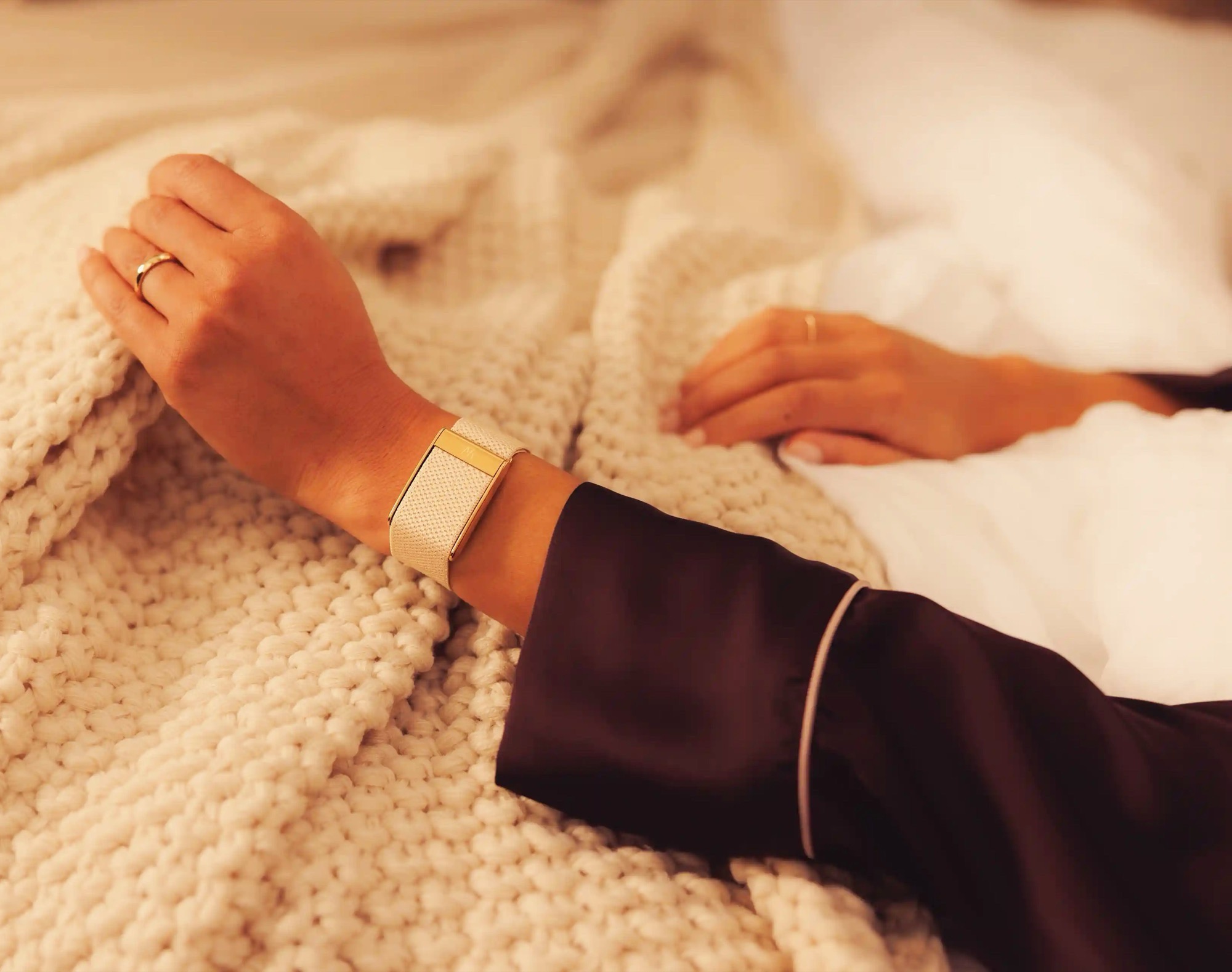
Instead of a traditional smartwatch body, the design is expected to feature a flexible fabric strap paired with a compact computing module filled with sensors. That approach would place Apple closer to minimalist health wearables such as Whoop and Google’s Fitbit Air, products built for people who care more about sleep, strain, recovery, heart rate, and overall wellness than checking messages from their wrist.
The idea is simple but powerful: remove the screen, reduce distractions, and let the device quietly collect health data throughout the day and night.
Apple already dominates the smartwatch market with the Apple Watch, but consumer interest is shifting. Many fitness-focused users are now looking for wearables that feel less like mini smartphones and more like dedicated health companions. Screenless trackers have gained attention because they can be worn comfortably for longer periods, often during sleep, exercise, and recovery, without constantly demanding attention.
That trend appears to have caught Apple’s eye. Reports suggest that Apple CEO Tim Cook and services chief Eddy Cue are among the key figures supporting the project internally. Cue, who took charge of Apple’s health division last year, is reportedly encouraging teams to build simpler, more focused health experiences across Apple’s ecosystem.
Apple has already started moving in that direction. Recent Apple Watch models and Health app updates have added more advanced wellness features, including readiness-style insights, biological age estimates, and improved continuous heart-rate tracking. These tools resemble the kind of metrics that helped screenless fitness brands build loyal communities among athletes, wellness enthusiasts, and everyday users trying to better understand their bodies.
A screenless Apple fitness tracker could take that strategy further. Without apps, alerts, or a display, the device could become a pure health sensor built for around-the-clock wear. It could track heart rate, sleep quality, activity levels, recovery patterns, stress indicators, and other biometric signals while syncing everything into the Apple Health app on iPhone.
For Apple, this could also open the door to a more affordable wearable category. The Apple Watch remains a powerful device, but it is more than some users need. A simpler Apple health band could appeal to people who want Apple’s fitness tracking and health insights without wearing a full smartwatch.
The involvement of engineers from Apple’s Vision hardware team is also notable. While the device is reportedly still in early prototyping, bringing in talent from another advanced hardware division suggests Apple may be exploring new approaches to wearable design, sensors, comfort, and miniaturization.
Still, the project is far from guaranteed. Apple regularly tests products that never make it to store shelves, and the company has not officially confirmed plans for a screenless fitness tracker. The reported 2028 timeline also means the device could change significantly before release, or be canceled entirely.
If Apple does move forward, however, the product could become one of the company’s most interesting wearable launches in years. A screenless Apple fitness band would not replace the Apple Watch. Instead, it would likely target a different kind of user: someone who wants health tracking first, smart features second, and fewer digital interruptions overall.
The wearable market is becoming more specialized, and Apple appears to be paying attention. With growing demand for sleep tracking, recovery scores, readiness metrics, and long-term wellness data, a minimalist Apple fitness tracker could give the company a stronger position in the health-focused wearable space.
For now, the rumored device remains an early experiment. But if Apple can combine its sensor technology, Health app ecosystem, and design expertise into a comfortable screenless band, it could become a serious challenger to today’s most popular minimalist fitness trackers.


