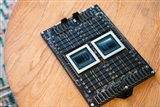
Nvidia’s Standalone Vera CPU Could Spark New Demand for Low-Power DRAM
Nvidia’s move to offer its Vera CPU as a standalone chip could have a major ripple effect across the memory market, especially for low-power DRAM. As demand for AI hardware continues to grow, this decision may create a fresh wave of orders for LPDDR memory, adding more pressure to an already tight supply chain.
The Vera CPU is part of Nvidia’s broader strategy to expand beyond GPUs and strengthen its position in high-performance computing and AI infrastructure. By selling the CPU separately, Nvidia gives server makers, cloud companies, and hardware partners more flexibility in designing systems tailored for artificial intelligence, data centers, and advanced computing workloads.
That flexibility could translate into higher demand for low-power memory. LPDDR, commonly known for its use in smartphones, laptops, and compact computing devices, is increasingly being viewed as useful for power-efficient AI and server designs. As data centers look for ways to reduce energy consumption while increasing performance, memory that delivers strong bandwidth with lower power usage becomes more valuable.
This is where major memory manufacturers such as Samsung Electronics and SK hynix could benefit. Both companies are key suppliers in the DRAM market and have been investing heavily in advanced memory technologies to support AI, mobile computing, and next-generation servers. If Nvidia’s Vera CPU gains traction as a standalone product, it could open another growth path for LPDDR production.
However, the timing also raises concerns. The global memory supply chain is already under pressure due to strong demand from AI accelerators, high-bandwidth memory, enterprise servers, and consumer electronics. Adding another source of demand for low-power DRAM could make supply even tighter, potentially affecting pricing and availability.
For the tech industry, Nvidia’s standalone Vera CPU strategy is more than just another chip launch. It signals a shift in how AI systems may be built in the future. Instead of relying only on tightly integrated platforms, companies may have more options to combine CPUs, GPUs, and memory in customized configurations. This could accelerate innovation but also intensify competition for advanced components.
The biggest impact may be felt in the memory sector. If system builders adopt Vera CPUs widely, LPDDR could move further beyond its traditional mobile-focused role and become a more important part of AI server architecture. That would strengthen the outlook for low-power DRAM and increase the importance of efficient memory solutions in data center design.
In short, Nvidia’s decision could reshape demand across the semiconductor supply chain. A standalone Vera CPU may give hardware makers more choice, boost interest in power-efficient AI systems, and create new opportunities for LPDDR suppliers. At the same time, it could add another layer of strain to a memory market that is already struggling to keep up with the pace of AI-driven demand.