Nvidia and AMD Signal a Major Shift in the AI Chip Race
The battle for dominance in artificial intelligence hardware is entering a new phase, and two of the industry’s biggest players are making moves that could reshape the global semiconductor landscape.
Nvidia is reportedly adjusting its business structure to better separate and define its ACIE market, while AMD is committing a massive US$10 billion investment into Taiwan-based infrastructure. Together, these developments point to a deeper transformation in the AI chip industry, where companies are no longer focused only on selling high-performance processors to major cloud providers.
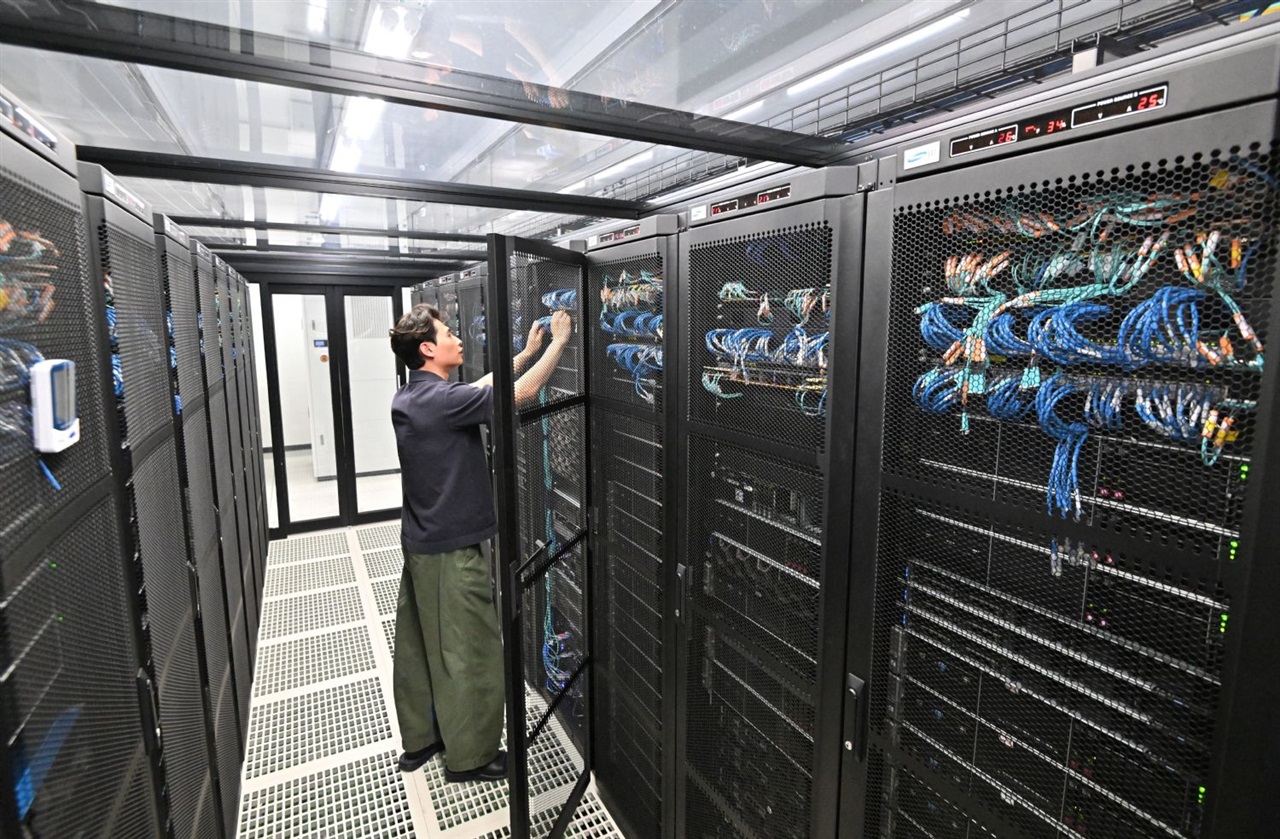
Instead, the competition is expanding into a much broader arena: enterprise AI, regional data centers, advanced infrastructure, and specialized computing environments designed to support the next generation of artificial intelligence.
For years, Nvidia has dominated the AI accelerator market, thanks to soaring demand for GPUs used in training and running large AI models. Major cloud companies, AI startups, and enterprise customers have rushed to secure access to Nvidia hardware, making the company one of the central forces behind the global AI boom.
But as the AI market matures, Nvidia appears to be preparing for a more segmented future. By isolating its ACIE market, the company may be looking to create clearer boundaries between different customer groups, product categories, and infrastructure strategies. This could help Nvidia better serve customers outside the traditional hyperscale cloud market, including businesses building private AI systems, sovereign AI infrastructure, and industry-specific machine learning platforms.
That shift matters because the next wave of AI growth may not come only from massive public cloud platforms. Many governments, enterprises, and regional technology providers want more control over their AI systems, data, and computing resources. This creates demand for customized AI infrastructure that can operate closer to users, comply with local regulations, and support specialized workloads.
AMD’s US$10 billion investment in Taiwan reinforces that same trend. Taiwan remains one of the most important regions in the global semiconductor supply chain, playing a critical role in chip manufacturing, packaging, testing, and advanced infrastructure development. By investing heavily in Taiwan, AMD is positioning itself to strengthen its long-term AI hardware ambitions and secure deeper access to the infrastructure needed to compete at scale.
AMD has been working aggressively to challenge Nvidia in the AI accelerator market. Its data center GPUs and AI-focused chips are designed to appeal to companies seeking powerful alternatives in a market where supply constraints, pricing pressure, and vendor diversity have become major concerns.
A large infrastructure investment could help AMD improve production capacity, strengthen partnerships, and support future AI chip development. It also sends a clear message: AMD does not intend to remain a secondary player in the AI hardware race.
The broader meaning of these moves is clear. The AI chip war is no longer just about which company builds the fastest processor. It is increasingly about who can build the strongest ecosystem.
That ecosystem includes chip design, manufacturing access, software tools, data center infrastructure, networking, memory, supply chain resilience, and customer-specific deployment models. Companies that can control more of this stack may have a major advantage as AI adoption spreads across industries such as healthcare, finance, manufacturing, defense, automotive, and telecommunications.
Nvidia’s strength has long been its combination of hardware and software. Its GPU ecosystem, developer tools, and AI platforms have helped create a powerful moat around its products. However, as demand grows beyond traditional cloud customers, Nvidia may need a more flexible structure to address new markets without slowing down its core business.
AMD, meanwhile, is betting that the AI market is large enough to support multiple major hardware suppliers. Its investment in Taiwan could help it compete not only on chip performance, but also on availability, scalability, and long-term infrastructure reliability.
This comes at a time when global demand for AI computing continues to rise rapidly. Companies are training larger models, deploying more AI-powered services, and integrating machine learning into everyday business operations. At the same time, the cost of AI infrastructure remains high, and many customers are looking for more efficient and diversified solutions.
That creates an opening for both Nvidia and AMD to pursue different strategies. Nvidia can continue expanding its dominant AI platform while refining its approach to emerging infrastructure markets. AMD can use its investment power and product roadmap to gain ground among customers looking for strong AI chip alternatives.
Taiwan’s role in this story is especially important. As the center of much of the world’s advanced semiconductor production, Taiwan is not just a manufacturing hub. It is a strategic foundation for the entire AI industry. Any major investment there reflects confidence in the region’s continuing importance, despite growing geopolitical and supply chain concerns.
For investors, customers, and technology leaders, these developments suggest that the AI chip market is becoming more complex and more competitive. The next stage will likely be defined by infrastructure depth, supply chain strength, and the ability to serve a wider range of AI use cases.
Nvidia’s structural pivot and AMD’s US$10 billion Taiwan commitment both point in the same direction: AI computing is moving beyond the cloud giants and into a broader global infrastructure race.
As artificial intelligence becomes more central to business, government, and consumer technology, the companies that can deliver powerful, scalable, and reliable AI hardware will shape the future of computing. Nvidia and AMD are now making it clear that they are preparing not just for today’s AI demand, but for the next decade of AI-driven growth.