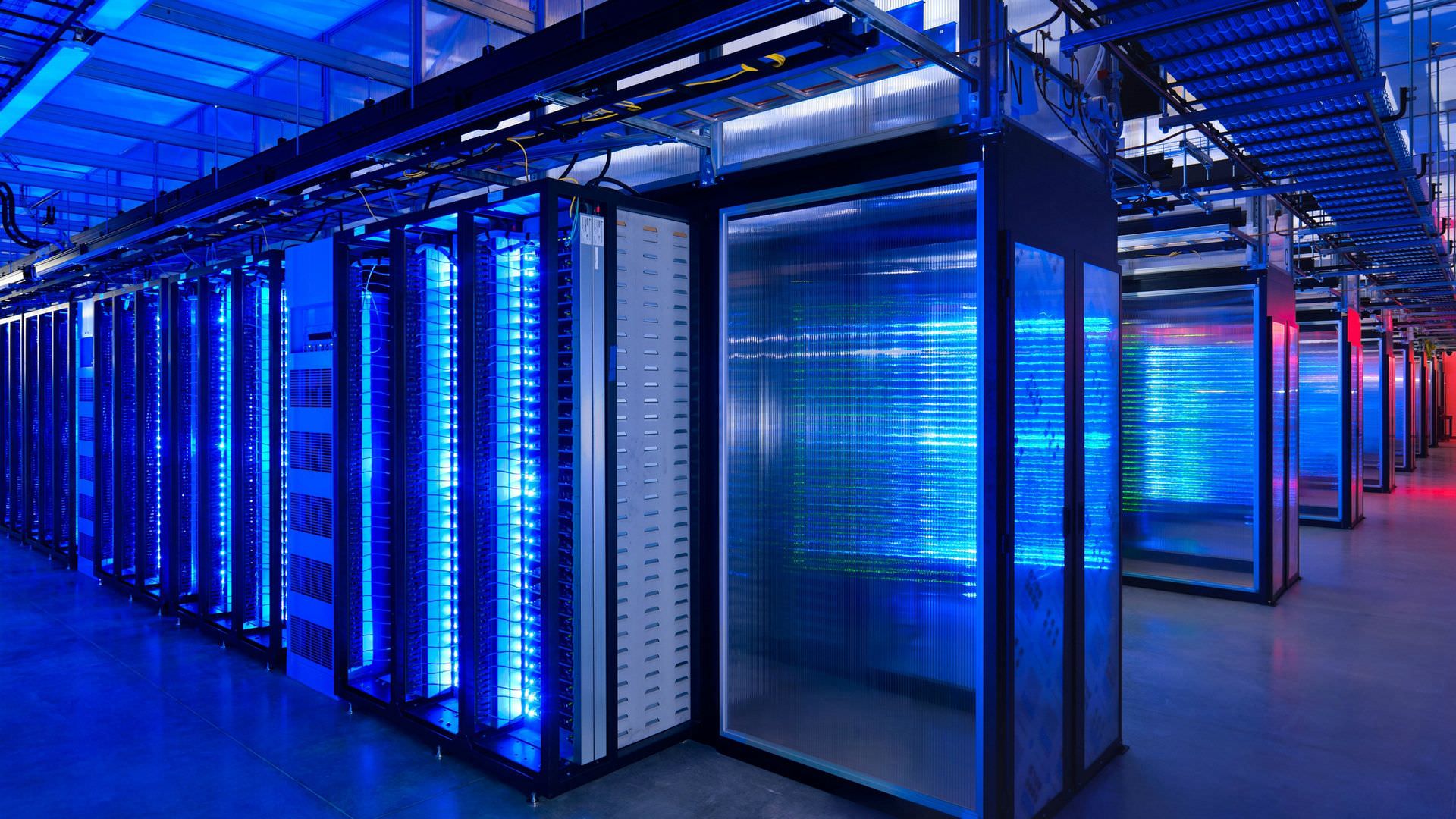
As the world eagerly expands its hunger for AI computing power, we’re witnessing a staggering journey toward unprecedented energy consumption levels. With next-generation architectures such as NVIDIA’s Rubin Ultra chips emerging, individual server racks are anticipated to soon boast over 1,000 kilowatts of energy density. This represents not only a technological leap but also heralds significant challenges for managing this immense energy demand.
Current AI clusters typically have a rack density ranging from 130 kW to 250 kW. However, according to analysis from data center firm Vertiv, we’re on the precipice of exceeding 1,000 kW. This exponential growth, while a milestone, necessitates a serious discussion about the implications of such energy use on a global scale.
Rack density refers to the amount of heat produced and energy required to operate devices in a server rack. Back in 2020, this figure was around 8.2 kW, underscoring the phenomenal growth in just a few years due to the burgeoning demand for AI solutions. Such a rapid increase illustrates not only the market’s capacity to innovate when given attention but also raises significant questions about sustainability and efficiency.
With the introduction of NVIDIA’s “Rubin Ultra” AI servers, we reach a transformative moment where power and performance are set to redefine market standards. However, meeting these high-density demands will inevitably lead to even greater energy consumption. Notably, like NVIDIA’s own data centers, the power required may soon rival that of small countries, a startling reality given the backdrop of escalating demand and ever-more advanced AI technologies.
In response to this growing power need, the industry is exploring sustainable alternatives. For instance, employing nuclear-powered infrastructure for data centers is one potential solution under consideration. While details are scant, companies like Microsoft and OpenAI are rumored to be exploring this path as a means to address the relentless rise in power consumption—a trend that shows no signs of slowing down.
This significant shift towards higher energy-demanding server racks underscores the delicate balance between advancing technology and maintaining energy sustainability. As we embrace these technological advancements, the conversation around energy efficiency and innovative solutions becomes ever more crucial, marking the next evolutionary step in meeting global AI demands responsibly.