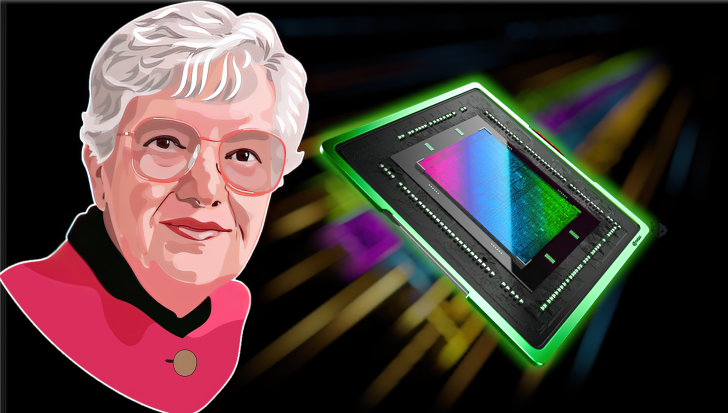
NVIDIA is shifting gears to accelerate its roadmap, hoping to lead in the rapidly growing AI markets. The tech giant is working on its Rubin architecture, which is now rumored to launch six months ahead of its original schedule. Initially planned for 2026, Rubin is now slated for release in the latter half of 2025. This move emphasizes NVIDIA’s strategy to stay ahead of its competition by quickening the pace at which it rolls out new architectures.
Even though NVIDIA’s Blackwell architecture has barely been in the market, the tech community is abuzz with anticipation for Rubin. This swift move hints at NVIDIA’s eagerness to solidify its influence in the AI industry. The company’s push for a mid-2025 release for Rubin represents a significant shift from the typical one-year cadence plan that separated prior releases like Ampere, Hopper, and Blackwell.
Why the sudden rush? Although the reports don’t delve into specific reasons behind Rubin’s accelerated launch, it’s likely a savvy business strategy to leverage available resources. Rubin is expected to utilize TSMC’s advanced 3nm process technology and cutting-edge HBM4 memory chips, both of which are progressing smoothly into mass production. With these technical advances within reach, it seems prudent for NVIDIA to bring Rubin to market sooner than later.
Interestingly, NVIDIA’s potential timeline could align Rubin’s release with another exciting development— the Blackwell Ultra or B300 series, anticipated to debut around the same time in mid-2025. Whether this timing strategy aims to complement or surpass the B300 series remains to be seen, but it certainly highlights NVIDIA’s ambition to lead.
Stay tuned for more updates, likely to emerge around significant industry events such as CES 2025, where NVIDIA may reveal more about its future plans and product roadmaps. This anticipatory buzz could provide ample opportunities for tech enthusiasts and industry watchers to see how NVIDIA continues to shape the future of AI technology.