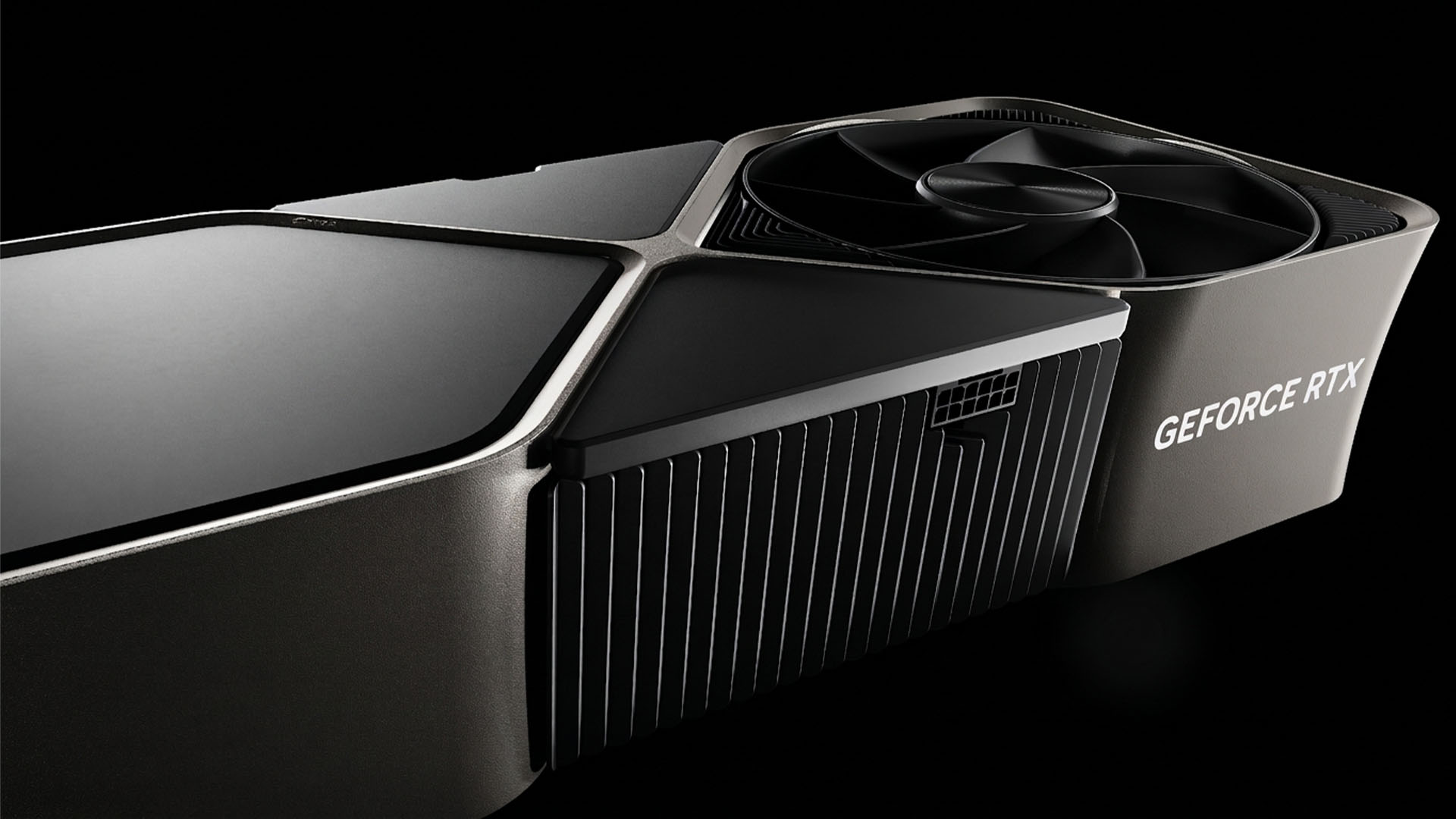
NVIDIA GeForce GPUs Aren’t Going Away, Says Jacob Freeman, but Future RTX Cards May Still Face Price and Supply Pressure
The future of NVIDIA’s GeForce graphics cards has become a major talking point after a turbulent week for the company. With uncertainty growing around NVIDIA’s leadership and the rapid rise of AI hardware demand, many PC gamers have started wondering whether GeForce gaming GPUs could eventually take a back seat or even disappear from NVIDIA’s roadmap.
That speculation gained enough attention that NVIDIA evangelist Jacob Freeman stepped in to calm concerns. While attending PDXLAN, one of North America’s biggest LAN gaming events, Freeman made it clear that NVIDIA’s connection to PC gaming is still alive and active.
Posting on X, Freeman acknowledged that plenty had happened recently, but he also emphasized his appreciation for working with colleagues who care deeply about PC gaming, hardware, and technology. His message ended with a simple reassurance: the work continues.
The most direct answer came when another user asked him whether the recent developments meant the end of GeForce. Freeman’s response was short and clear: “Nope.”
For NVIDIA gaming GPU owners, that one-word reply is likely enough to ease some of the anxiety. The GeForce brand has been central to PC gaming for decades, powering everything from entry-level gaming rigs to high-end enthusiast builds. The idea that NVIDIA could abandon GeForce would have been a massive shift for the gaming hardware industry, especially as AMD Radeon and Intel Arc continue trying to win more attention from gamers.
Freeman’s comment strongly suggests that NVIDIA has no immediate plan to drop GeForce from its lineup. That means future gaming graphics cards, including a possible RTX 6000 series, are still expected to be part of NVIDIA’s long-term strategy.
However, that does not mean gamers should expect an easy upgrade path.
Even if the GeForce brand remains safe, availability and pricing could become serious challenges. The current graphics card market is already feeling pressure from massive AI demand, and high-end GPUs are increasingly valuable beyond gaming. Data centers, AI developers, resellers, and international buyers are all competing for the same powerful silicon that gamers want for their PCs.
The RTX 5090 has already shown how extreme things can get. With an original MSRP of $1,999, the card has reportedly climbed as high as $9,000 in some markets, representing a massive increase over its launch price. If similar conditions continue, future flagship GeForce RTX cards could face the same fate.
That means the eventual RTX 6000 series may arrive in a market where demand is far higher than supply. Even if NVIDIA allocates production for gaming GPUs, those cards could still be bought in bulk by resellers or redirected toward AI-related use cases. Some high-end graphics cards have reportedly been modified for server environments, with cooling systems and circuit boards altered to support larger memory configurations for AI workloads.
This is the bigger issue for PC gamers: GeForce may not be ending, but gaming GPUs are no longer only gaming products. The same performance that makes a graphics card excellent for 4K gaming, ray tracing, and content creation also makes it attractive for AI acceleration and compute-heavy workloads.
As a result, the future of NVIDIA GeForce could be a mix of reassurance and frustration. The brand appears to be staying, but gamers may still need to deal with limited stock, inflated prices, and fierce competition from buyers outside the traditional gaming market.
For now, Freeman’s statement should calm fears that NVIDIA is walking away from PC gaming. GeForce remains one of the most important names in the graphics card industry, and NVIDIA’s presence at major gaming events continues to show that the company has not forgotten its gaming audience.
Still, anyone hoping to upgrade to a next-generation NVIDIA RTX GPU should keep expectations realistic. The GeForce brand is not dead, but affordable, widely available flagship graphics cards may be much harder to guarantee in the AI era.


