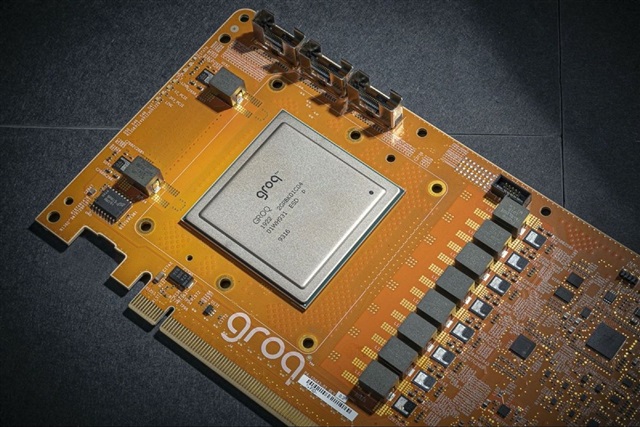
Nvidia is making a major move in the AI hardware race with a reported US$20 billion agreement centered on AI chip startup Groq. Rather than a straightforward buyout, the deal focuses on Nvidia acquiring non-exclusive technology licenses from Groq, while Groq’s CEO and key research-and-development talent shift over to Nvidia to help integrate the technology.
It’s a headline-grabbing arrangement that signals two things at once: Nvidia’s continued push to extend its dominance in AI computing, and the increasingly difficult reality facing smaller AI chip startups trying to survive and scale in a market defined by enormous capital demands, intense competition, and fast-moving customer expectations.
A deal built around licensing, not a full takeover
What makes this announcement stand out is its structure. Instead of purchasing Groq outright, Nvidia is paying for non-exclusive licenses to Groq’s technology. “Non-exclusive” matters because it suggests Groq’s technology isn’t being locked away for Nvidia alone. In theory, Groq could still pursue other relationships or licensing opportunities. At the same time, bringing Groq’s CEO and core R&D team into Nvidia points to something deeper than a typical licensing partnership: Nvidia appears to want the people who built the technology involved directly in bringing it into Nvidia’s ecosystem.
In practical terms, this is the kind of agreement that can accelerate time-to-market. Nvidia doesn’t just get rights to use technology; it also gains direct access to the expertise needed to adapt, optimize, and deploy it.
Why Nvidia wants Groq’s tech and talent
AI chips are no longer only about raw performance. Success increasingly hinges on a mix of hardware design, software tooling, developer adoption, and real-world efficiency at scale. Any specialized technology that improves AI inference, reduces latency, enhances throughput, or streamlines integration into existing AI stacks can be highly valuable—especially when demand for AI compute keeps climbing.
By securing licensing rights and absorbing key engineers and leadership, Nvidia strengthens its ability to integrate new ideas quickly and potentially expand its lead in AI infrastructure. It’s also a strategic way to capture innovation without the complexity of a traditional acquisition.
What this means for AI chip startups
This kind of “quasi-acquisition” structure highlights a tough environment for startups building AI silicon. Developing chips requires huge investment, long development cycles, manufacturing partnerships, and a deep bench of top-tier talent. Even with strong technology, competing against established giants can be brutally difficult.
When a startup’s core leadership and R&D team move to a larger company, it often reflects the broader economic pressure on independent chipmakers—where the most sustainable outcome may be to license technology, partner, or fold into a bigger platform rather than continue alone.
What happens next
The key storyline from here will be integration: how Nvidia incorporates Groq’s licensed technology into its products and AI platform, and what remains of Groq’s independent roadmap after the shift of its CEO and core technical team. The mention of Groq’s CFO in ongoing coverage also suggests the company may be entering a transitional phase, potentially reshaping its business strategy following the deal.
For the AI hardware market, the message is clear. Nvidia is still spending aggressively to stay ahead, and the window for independent AI chip startups to scale on their own may be narrowing—pushing more companies toward licensing deals and talent migrations as the fastest path to impact.