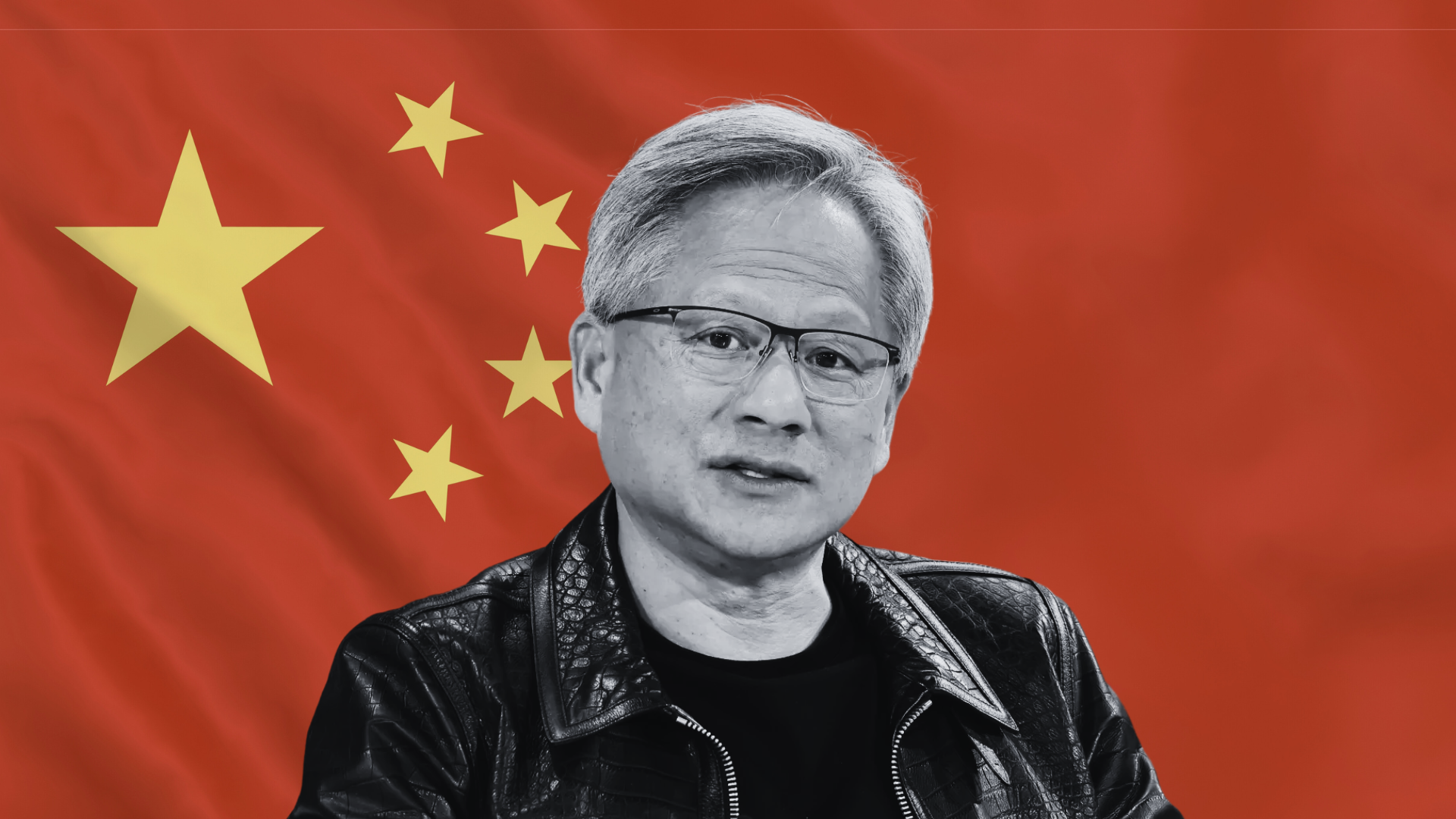
NVIDIA is gearing up to strengthen its presence in the China AI market, as CEO Jensen Huang hints at a strategic shift. Following the US’s restrictions on high-performance chip exports, NVIDIA is exploring new pathways to maintain its influence in the region. Huang disclosed that future chips won’t belong to the Hopper lineup due to regulatory limitations, prompting a potential move toward the Blackwell architecture instead.
Recent reports indicate that while NVIDIA plans to introduce a new Hopper chip in China, it won’t be the flagship product. Instead, the company will employ GDDR7 memory modules to adhere to bandwidth restrictions, marking a shift from the HBM memory typically used. This strategy aligns with NVIDIA’s approach of using the Hopper architecture for specialized applications, akin to its RTX PRO GPUs.
Additionally, NVIDIA’s Blackwell chips destined for China will also feature GDDR7 memory. This adaptation aims to meet performance constraints while still outclassing Huawei’s current solutions, thanks to NVIDIA’s advanced architectural prowess and robust software ecosystem. Nonetheless, the increasing inclination of Chinese firms to develop in-house alternatives, like Huawei’s Ascend chips, presents a formidable challenge for NVIDIA.
Jensen Huang remains committed to maintaining NVIDIA’s relevance in China, though the dynamic geopolitical landscape may compel the company to reassess its alliances, especially with burgeoning ties in the Middle East. The unfolding scenario will be a critical watchpoint for industry observers as NVIDIA navigates these complex waters.