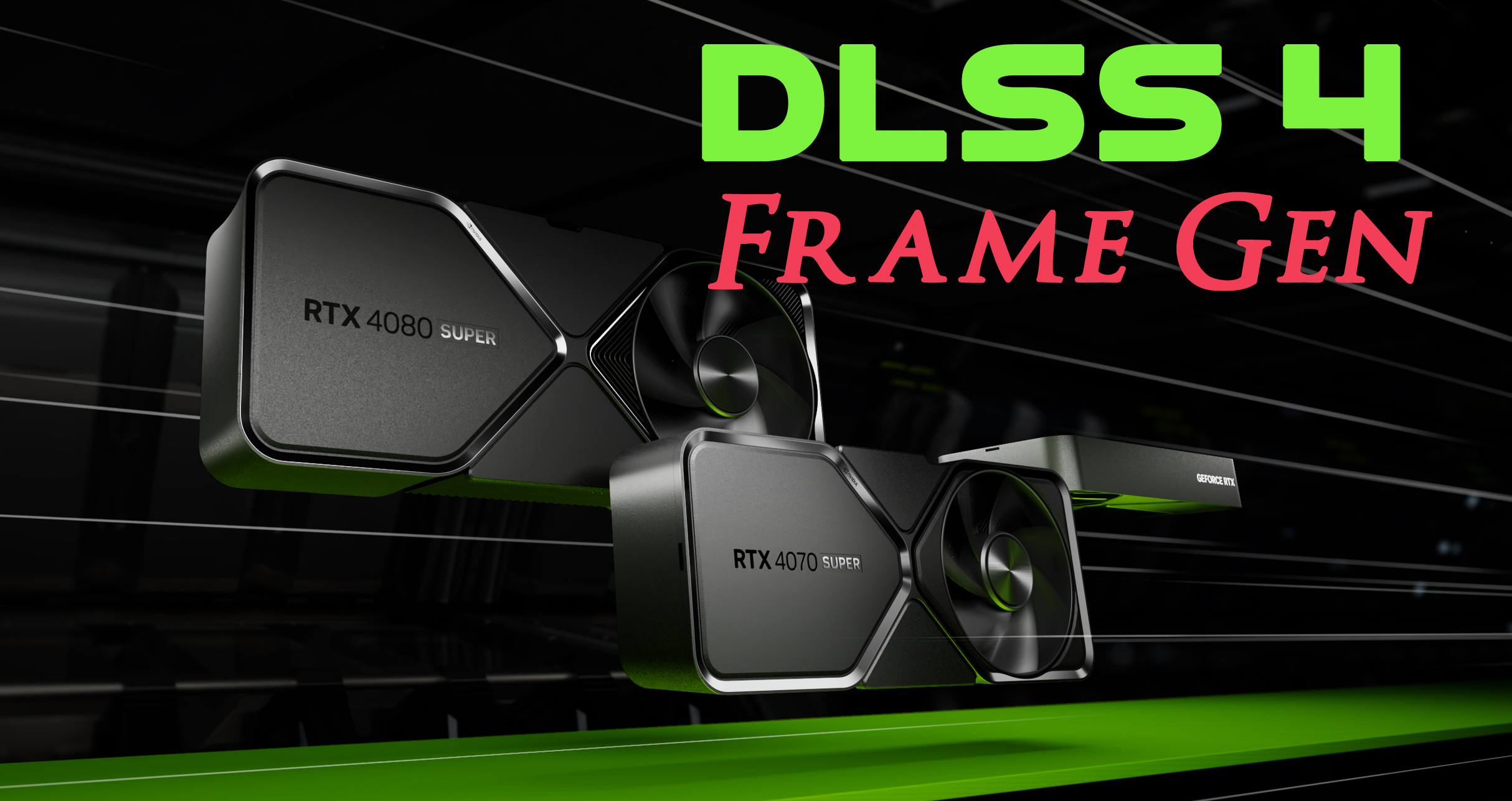
NVIDIA continues to innovate with its graphics technology, bringing exciting updates to the GeForce RTX 40 series GPUs. In a recent announcement, the company revealed enhancements in its Frame Generation technique, which is part of its real-time deep learning supersampling technology, known as DLSS.
This improvement aims to offer an even smoother gaming experience by filling in the gaps between frames more effectively. Originally launched with DLSS 3.0, the Frame Generation feature is getting a significant upgrade with the DLSS 4.0 rollout. Although DLSS 4.0 was introduced alongside the RTX 50 series, the RTX 40 series will also benefit from these advancements, albeit without the multi-frame generation.
NVIDIA spokesperson Jacob Freeman shared insights on how the latest AI model will bring key benefits to the RTX 40 series. These include improved performance, reduced latency, and lower VRAM usage, which translates to a more efficient allocation of resources towards demanding game assets, high-quality mods, and intricate textures. Such optimization is crucial for gamers who rely on GPUs with 8 GB of VRAM.
In a practical example, the enhanced DLSS version boosts frames per second while trimming down VRAM usage by 400 MB. This may appear modest, but for 8 GB GPU users, it can significantly impact performance in certain gaming scenarios. The DLSS 4.0 also enriches the RTX 40 series by integrating features like Enhanced Ray Reconstruction, Super Resolution, and the emerging Deep Learning Anti-Aliasing (DLAA).
DLAA is currently in the beta stage and is designed to work across a wide range of RTX GPUs, from RTX 20 to RTX 50 series. However, the Frame Generation upgrade is specifically tailored for the RTX 40 and RTX 50 series. While not as advanced as Multi-Frame Generation, it offers RTX 40 users a palpable performance boost.
A key area of interest remains the aspect of input latency. The transition to DLSS 3.0 initially brought concerns about increased latency, given the additional processing required for frame prediction and rendering. However, NVIDIA assures that DLSS 4.0 will mitigate this issue, thus maintaining or even improving latency levels compared to previous DLSS versions.
Comparative tests between DLSS 2.0, 3.5, and the new 4.0 suggest minimal difference in input latency. It appears that NVIDIA’s Reflex technology, a requirement from DLSS 3.5 onwards, plays a pivotal role in keeping these latency levels in check, ensuring an optimal gaming experience without sacrificing responsiveness. These advancements underline NVIDIA’s commitment to pushing the boundaries of gaming technology and enhancing user experience.