Nvidia GB300 Server Smuggling Case Puts Taiwan, Japan, and Hong Kong in the Spotlight
Taiwanese authorities have arrested a senior sales manager accused of helping move Nvidia GB300-equipped servers through Japan and Hong Kong in an alleged smuggling operation that may be worth as much as $300 million.
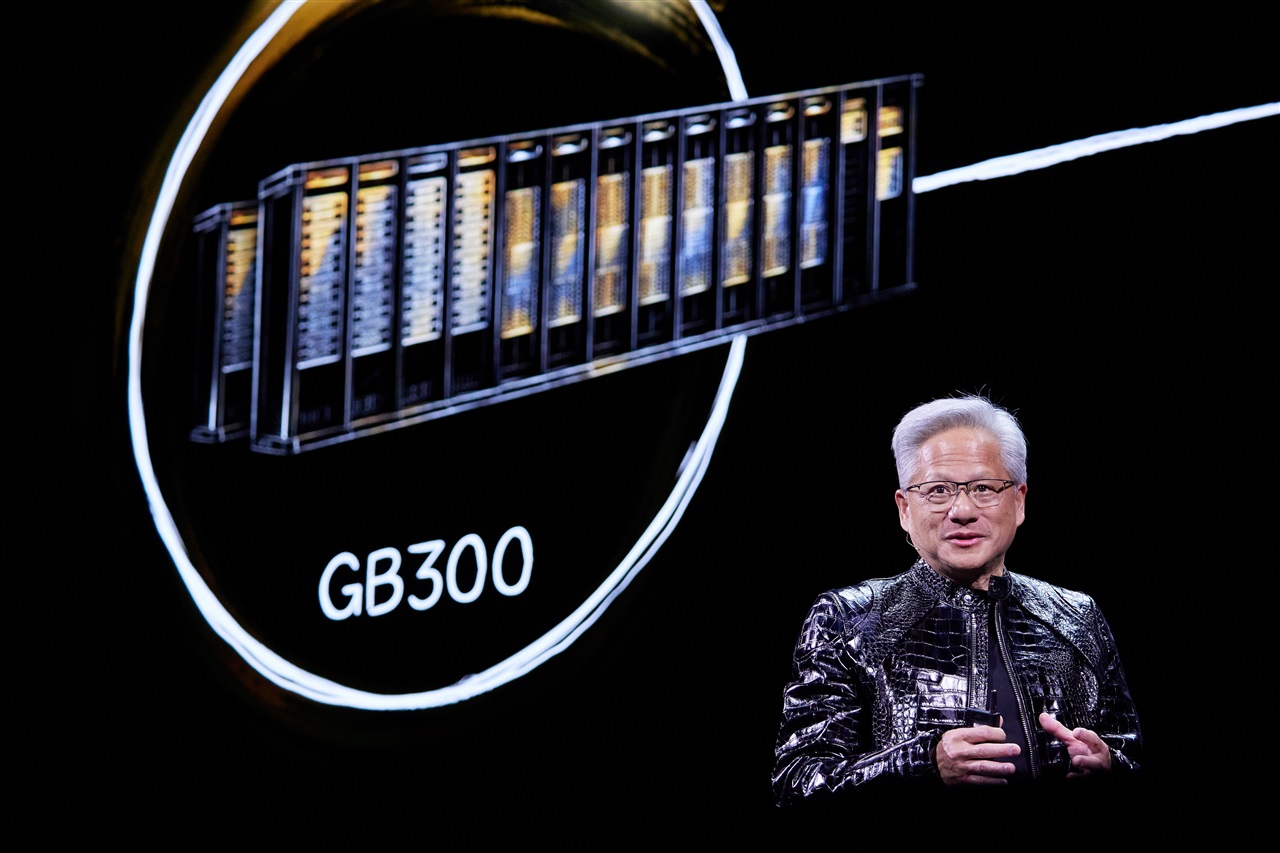
Prosecutors claim the scheme ran for roughly three years and involved routing high-value AI server hardware through multiple regions to avoid restrictions and scrutiny. The servers reportedly contained Nvidia’s GB300 technology, a powerful platform designed for advanced artificial intelligence workloads and data center operations.
Nvidia has pushed back strongly against the idea that its products can be quietly moved through unauthorized channels at scale, calling smuggling a “nonstarter.” The company’s position suggests that its supply chain controls, customer checks, and distribution systems are designed to make large-scale diversion of its AI hardware extremely difficult.
The case highlights the growing global attention around AI chips and high-performance servers. As demand for artificial intelligence infrastructure continues to surge, Nvidia’s most advanced hardware has become one of the most sought-after assets in the technology industry. That demand has also made AI servers a major focus for regulators, customs officials, and law enforcement agencies.
According to prosecutors, the accused sales manager allegedly played a key role in arranging the movement of GB300-equipped servers through Japan and Hong Kong before they reached their final destination. Authorities are now investigating how the operation was organized, who else may have been involved, and whether additional shipments were connected to the same network.
The estimated value of the alleged scheme, up to $300 million, underscores the scale of the case. AI servers using Nvidia’s latest chips can command extremely high prices because they are essential for training and running large AI models, powering cloud computing platforms, and supporting enterprise-level machine learning systems.
For Taiwan, the arrests add another layer to the island’s central role in the global semiconductor and AI hardware supply chain. Taiwan is already a critical hub for advanced chip manufacturing, server assembly, and technology exports. A case involving alleged unauthorized movement of Nvidia-powered servers is likely to draw close attention from both industry leaders and government agencies.
The investigation also reflects a broader challenge facing the tech sector: controlling the flow of advanced computing hardware in a market where demand is intense and supply is tightly monitored. As AI infrastructure becomes increasingly strategic, governments and companies are expected to strengthen oversight of high-end chips, server systems, and cross-border shipments.
For now, the accused individual has not been convicted, and the allegations remain subject to legal proceedings. However, the case is already raising important questions about AI hardware security, export compliance, and the global race to secure cutting-edge computing power.