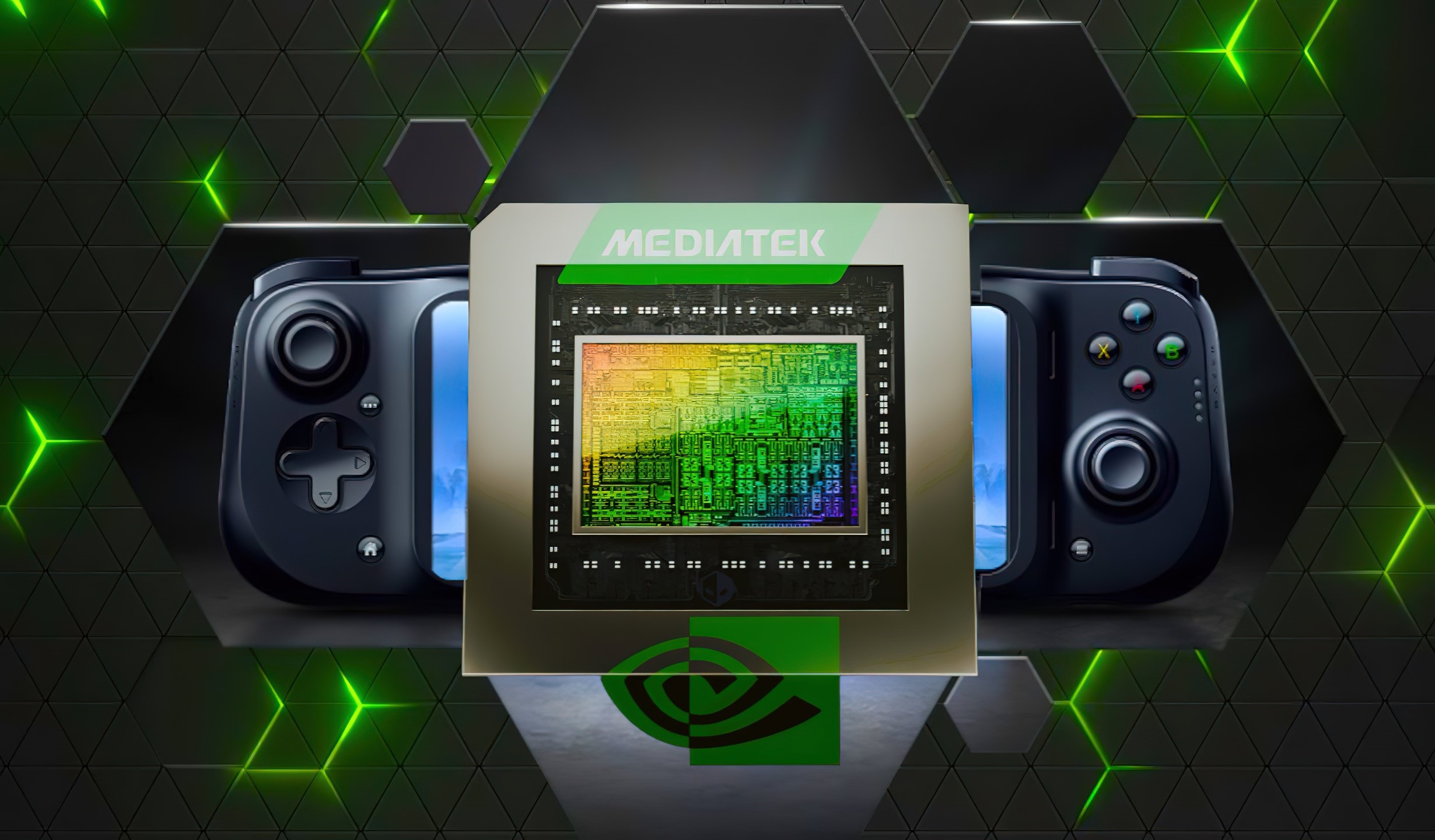
In the evolving landscape of gaming technology, big names NVIDIA and MediaTek are reportedly joining forces to create a new system-on-chip (SOC) designed specifically for the gaming handheld and console market. This partnership may signal NVIDIA’s renewed interest in the console sector, as well as an expansion into the realm of gaming handhelds.
The collaboration aims to produce an SOC that would incorporate NVIDIA’s graphics processing technology. With rising interest from several Chinese manufacturers, this move could see NVIDIA boosting its presence in the gaming market at large. As discussions unfold, it seems we might witness an emergence of devices that rival the performance and capabilities of traditional gaming systems, thanks to these two industry giants working together.
Recent speculations suggest that NVIDIA and MediaTek are looking to compete with Qualcomm’s Snapdragon series in the laptop sector, using the impressive 3nm process node technology from TSMC. The design of these new ARM-based SOCs is expected to be complete by Q3 2024, with mass production slated for the first half of 2025. As these chips evolve, one alleged leak points to a substantial $300 price per unit, hinting at advanced technology that may be incorporated into these SOCs.
It’s no secret that NVIDIA has been exploring the ARM framework, particularly for its custom SOCs intended for the AI PC segment. The company’s use of TSMC’s CoWoS packaging technology further underscores its commitment to cutting-edge innovation. The aim is not only to develop SOCs for AI but to extend into the automotive sector as well, exemplified by MediaTek’s Dimensity SOCs that will capitalize on NVIDIA’s upcoming RTX and AI GPU IP based on the Blackwell architecture.
NVIDIA is no stranger to the handheld gaming space, with the Nintendo Switch as its notable success story. The company has historical ties to gaming with the NVIDIA Shield handheld and TV platforms and past collaborations powering Xbox and Sony PS3 consoles. However, as AMD has taken center stage in the traditional game console market with its Zen and RDNA architectures, NVIDIA’s latest move could shake things up.
The handheld gaming console market has seen tremendous growth and innovation recently. AMD’s introduction of the Ryzen Z1 APUs tailored for compact devices, alongside Intel’s Core Ultra CPUs, establishes a competitive environment for NVIDIA’s anticipated reentry. Given its history with the Shield products and the Switch’s custom design, NVIDIA could be well-positioned to introduce a compelling SOC alternative for both handheld and traditional gaming consoles.
As the story of NVIDIA and MediaTek’s joint venture unfolds, the gaming industry watches with bated breath to see how this potent combination may influence the future of gaming handhelds and consoles, and whether NVIDIA can carve out a significant niche in this resurging market.