NVIDIA CFO Says Memory Shortage Was Predictable as AI Demand Sends Prices Higher
NVIDIA Chief Financial Officer Collette Kress says the current memory shortage should not have come as a surprise to companies across the tech industry. As demand for AI hardware continues to accelerate, memory prices have climbed sharply, putting pressure on businesses that failed to secure supply early.
Speaking in an interview with Tae Kim, Kress explained that NVIDIA anticipated the surge in memory demand and acted ahead of time. According to her, the company understood that the rapid growth of AI computing would place enormous strain on the memory supply chain, especially for advanced chips used in data centers and AI accelerators.
The boom in artificial intelligence has dramatically changed the memory market. AI GPUs require large amounts of high bandwidth memory, commonly known as HBM, to deliver the performance needed for training and running large AI models. These systems also rely on other memory types, including DDR and LPDDR, creating demand across multiple parts of the industry.
Kress suggested that companies now surprised by rising memory prices should have planned earlier. She noted that NVIDIA expected prices to increase and placed orders long before the market became more constrained.
Many companies are now reacting to the price jump, but Kress said NVIDIA already saw it coming. She said the company knew the situation was likely to develop and ordered memory well in advance. In her view, other companies should have done the same.
The pressure on the memory industry is being driven largely by AI chips, which have much higher memory requirements than traditional computing products. NVIDIA’s upcoming Rubin AI platform is expected to be one of the major drivers of future demand. Estimates suggest the Rubin platform alone could require up to six billion gigabytes of LPDDR memory in 2027. By comparison, Apple is projected to need around 2.9 billion gigabytes, while Samsung is expected to require about 2.7 billion gigabytes.
This level of demand highlights how significantly AI infrastructure is reshaping the global semiconductor market. Memory makers are being forced to prioritize production capacity, and that creates ripple effects across the supply chain.
One major challenge is that HBM and DDR memory rely on overlapping manufacturing resources. When demand for HBM rises, memory producers may shift capacity toward those higher-value products. That can reduce the available supply of DDR memory, leading to shortages and price increases in other areas of the market as well.
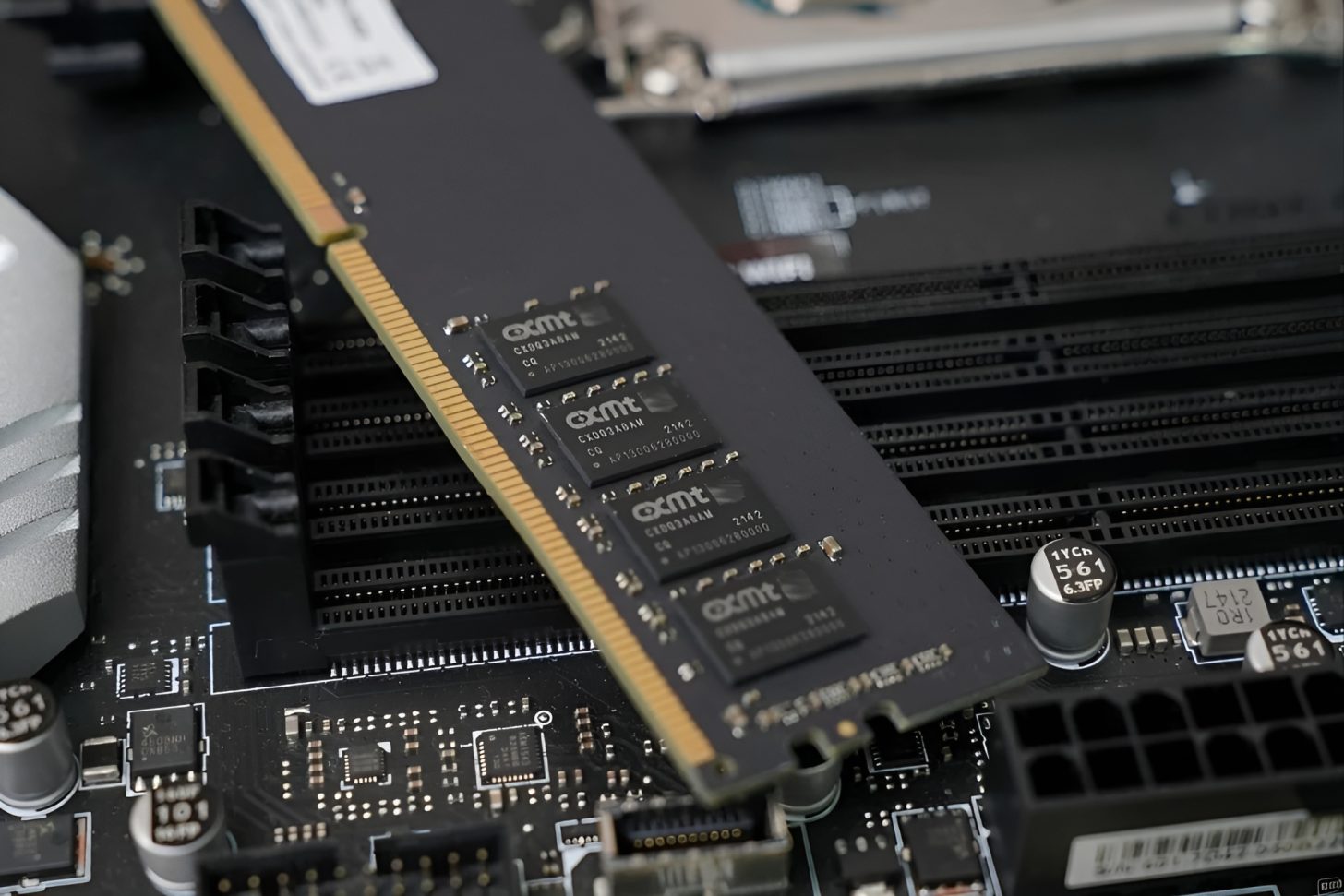
This shift has created opportunities for new players, particularly in China, where companies are reportedly looking to take advantage of the DDR supply gap. As established memory manufacturers focus more heavily on AI-related demand, other suppliers may try to expand their role in the broader memory market.
NVIDIA’s approach appears to be based on close collaboration with suppliers rather than simple spot purchasing. Kress said the company does not merely buy available memory from the market. Instead, NVIDIA works directly with memory manufacturers during the design and planning process.
She explained that NVIDIA coordinates with all three major memory suppliers, aligning them with the company’s product roadmap and expected demand. The goal is to ensure that enough memory is available for future AI platforms before supply becomes tight.
According to Kress, NVIDIA shares what it is building with its memory partners and then works with them to determine how much supply will be needed. She emphasized that the company is not relying on a single supplier but coordinating with multiple partners at the same time.
This strategy has helped NVIDIA stay ahead during a period when many other companies are struggling with higher costs and limited availability. By forecasting demand early and working closely with suppliers, NVIDIA has strengthened its position in the AI hardware market.
The memory shortage also shows how deeply AI is affecting the broader technology sector. The demand is no longer limited to GPUs alone. Every part of the AI server ecosystem, from high bandwidth memory to system memory and storage, is facing growing pressure.
As AI adoption expands, memory supply is likely to remain a critical issue for hardware manufacturers, cloud providers, and data center operators. Companies that can secure memory early may gain a major advantage, while those that wait could face higher prices, delayed product launches, or limited access to key components.
Kress’s comments underline a broader message for the industry: the AI supply chain rewards long-term planning. In a market where demand is rising faster than production capacity can expand, companies that anticipate shortages may be better positioned than those reacting after prices have already surged.