Nvidia’s latest move has the tech world paying close attention. After the company reportedly secured a license to Groq’s technology and brought in key members of Groq’s core technical team, many industry watchers began asking the same question: where is Nvidia placing its biggest bets next?
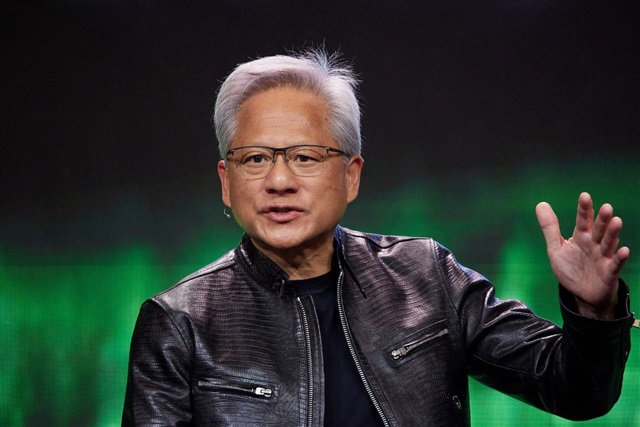
At CES 2026, Nvidia CEO Jensen Huang offered a clearer look into the company’s investment philosophy by outlining three major directions Nvidia is prioritizing. The message was straightforward: Nvidia isn’t simply chasing short-term trends. It’s investing in the foundational building blocks that will shape the next era of computing, AI, and high-performance infrastructure.
The first major focus is advancing core AI computing capabilities. Nvidia continues to put resources behind the hardware and software stack that powers modern artificial intelligence, from training massive models to running AI applications efficiently in real-world environments. This includes the kinds of breakthroughs that make AI faster, more scalable, and more cost-effective for businesses and developers. As demand accelerates for generative AI tools, enterprise automation, and AI-enhanced consumer products, this investment direction positions Nvidia to remain central to how AI systems are created and deployed.
The second investment direction centers on expanding data center and cloud infrastructure opportunities. AI is increasingly a data center-driven technology, and Nvidia is aiming to strengthen its role not only as a chip supplier, but as a key enabler for end-to-end computing platforms. With more organizations shifting critical workloads to cloud environments and building AI-ready infrastructure, Nvidia’s strategy highlights data centers as a primary battleground for long-term growth. By improving performance, reducing bottlenecks, and integrating technologies that optimize large-scale computing, Nvidia is reinforcing its position in the market that is fueling the AI boom.
The third focus involves strategic technology integration and talent acquisition to accelerate innovation. The reported Groq technology licensing and the integration of an experienced technical team fits neatly into this approach. Rather than relying solely on internal development cycles, Nvidia is also strengthening its capabilities by bringing in specialized expertise and integrating key technologies that can help it move faster. This kind of investment is designed to sharpen competitive advantages in areas like AI acceleration, efficiency, and next-generation chip design.
Taken together, Huang’s three investment priorities paint a clear picture of Nvidia’s direction in 2026: build stronger AI foundations, scale the infrastructure that makes AI practical at global levels, and absorb the specialized technology and talent needed to stay ahead. For anyone tracking the future of AI chips, computing platforms, and data center growth, Nvidia’s roadmap signals that the company is preparing not just for the next product cycle, but for the next decade of AI-driven transformation.