NASA’s next International Space Station resupply mission is set to deliver more than 11,000 pounds (about 5 metric tons) of cargo that could push the boundaries of medicine, materials science, and spacecraft engineering. Riding to orbit on September 14 aboard a SpaceX Falcon 9, Northrop Grumman’s Cygnus XL spacecraft will carry a packed slate of experiments designed to turn microgravity into a catalyst for breakthrough discoveries.
At the heart of the mission is pharmaceutical crystal research aimed at improving treatments for cardiovascular, immune, and neurodegenerative disorders, as well as cancer. Scientists will investigate how microgravity affects the crystal structure of drug molecules, a process expected to form larger, more uniform crystals. That uniformity can translate into better drug stability, improved absorption, and potentially more effective therapies. The team will also explore how to use these space-grown crystals to seed crystal growth back on Earth, scaling up a technique previously tested in smaller studies.
Semiconductor research also takes center stage. Prior experiments have shown that crystals grown in microgravity can be purer and more structurally perfect, leading to better-performing semiconductor devices. This mission will further probe how the space environment can enhance chip materials that power everything from consumer electronics to advanced computing systems.
Another experiment will examine how ultraviolet light performs in microgravity against bacterial biofilms—stubborn, protective layers that make microbes harder to eradicate. Understanding how UV works on biofilms in space could inform more effective sterilization strategies for spacecraft and habitats, while also offering insights relevant to hospitals and water treatment on Earth.
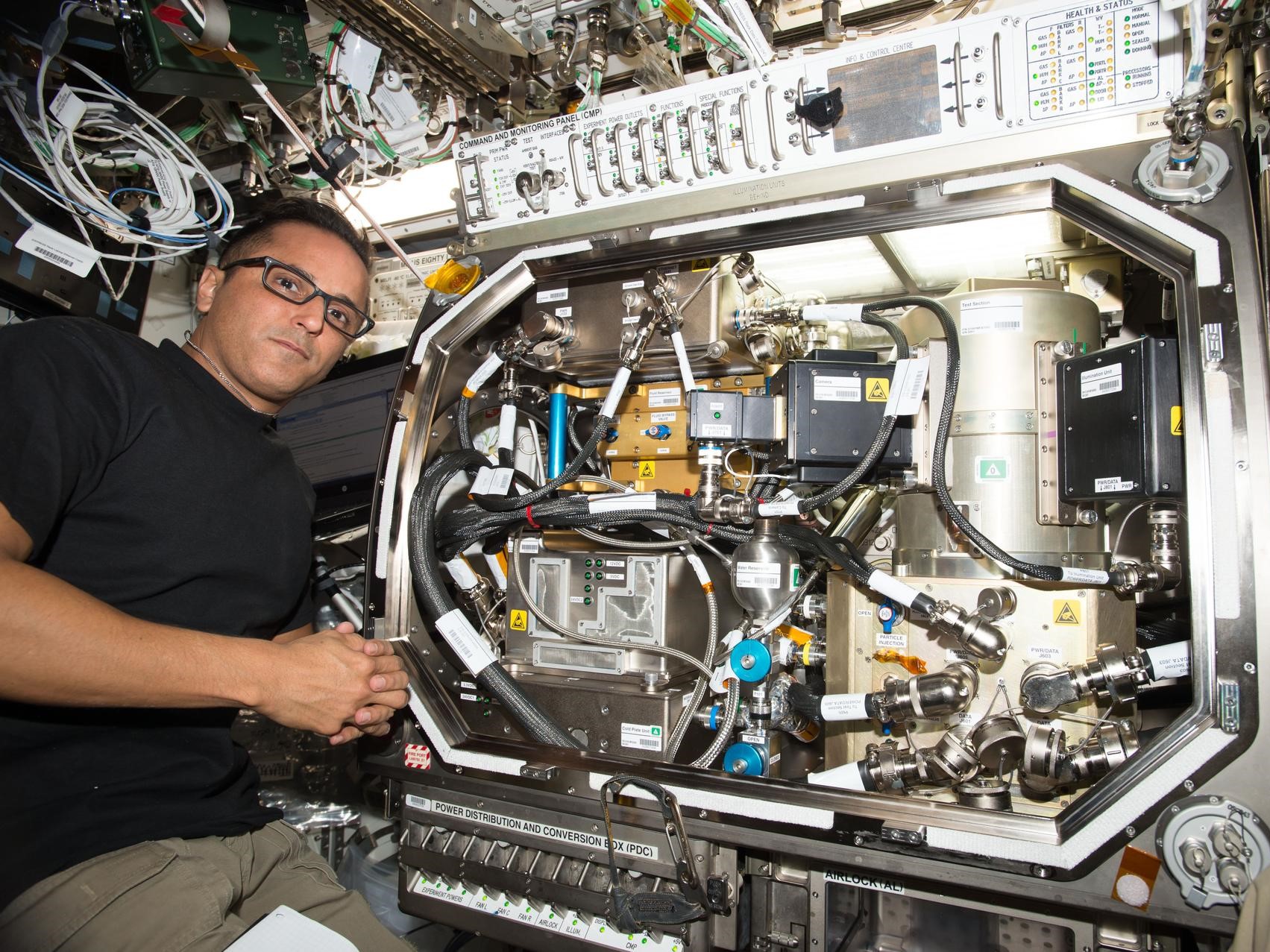
For in-space propulsion and fuel management, the Zero Boil-Off Tank Noncondensables (ZBOT-NC) investigation will test whether inert gases can serve as a protective buffer inside cryogenic fuel tanks. By stabilizing pressure in microgravity and preventing unnecessary propellant loss, this approach could make future deep-space missions more efficient. The work builds on ongoing efforts to control pressure in cryogenic tanks, including hardware installations conducted on orbit by astronauts.
What’s riding aboard Cygnus XL:
– Pharmaceutical crystal growth to improve drug design and delivery
– Semiconductor crystal research to enhance chip performance
– UV-based disinfection studies targeting bacterial biofilms in microgravity
– ZBOT-NC tests to curb propellant boil-off and better manage fuel tank pressure
The International Space Station remains a unique laboratory where microgravity reveals hidden behaviors of materials and biological systems—insights that are tough to capture on Earth. This mission underscores how orbital research can yield practical benefits for patients, manufacturers, and mission planners alike, advancing cancer and disease therapies, enabling cleaner and faster electronics, and refining the technologies that keep spacecraft safer and more efficient.