A fresh trademark has reignited hopes that Nintendo’s beloved Virtual Console could make a comeback. Fans who prefer owning classic games outright, rather than renting access through a subscription, are watching closely to see what comes next.
Here’s what sparked the buzz: a trademark filed on April 21, 2025, is now listed as pending with the U.S. Patent and Trademark Office. Among the goods and services is IC 009, covering “recorded electronic game programs; downloadable electronic game programs; recorded video game programs.” Nintendo also maintains other active trademarks tied to the Virtual Console name, which adds fuel to the speculation.
It’s important to keep expectations in check. Companies often renew or file trademarks simply to protect a brand name, and not every filing leads to a new product. Still, the possibility has fans reminiscing about what made Virtual Console special—and what today’s setup doesn’t always deliver.
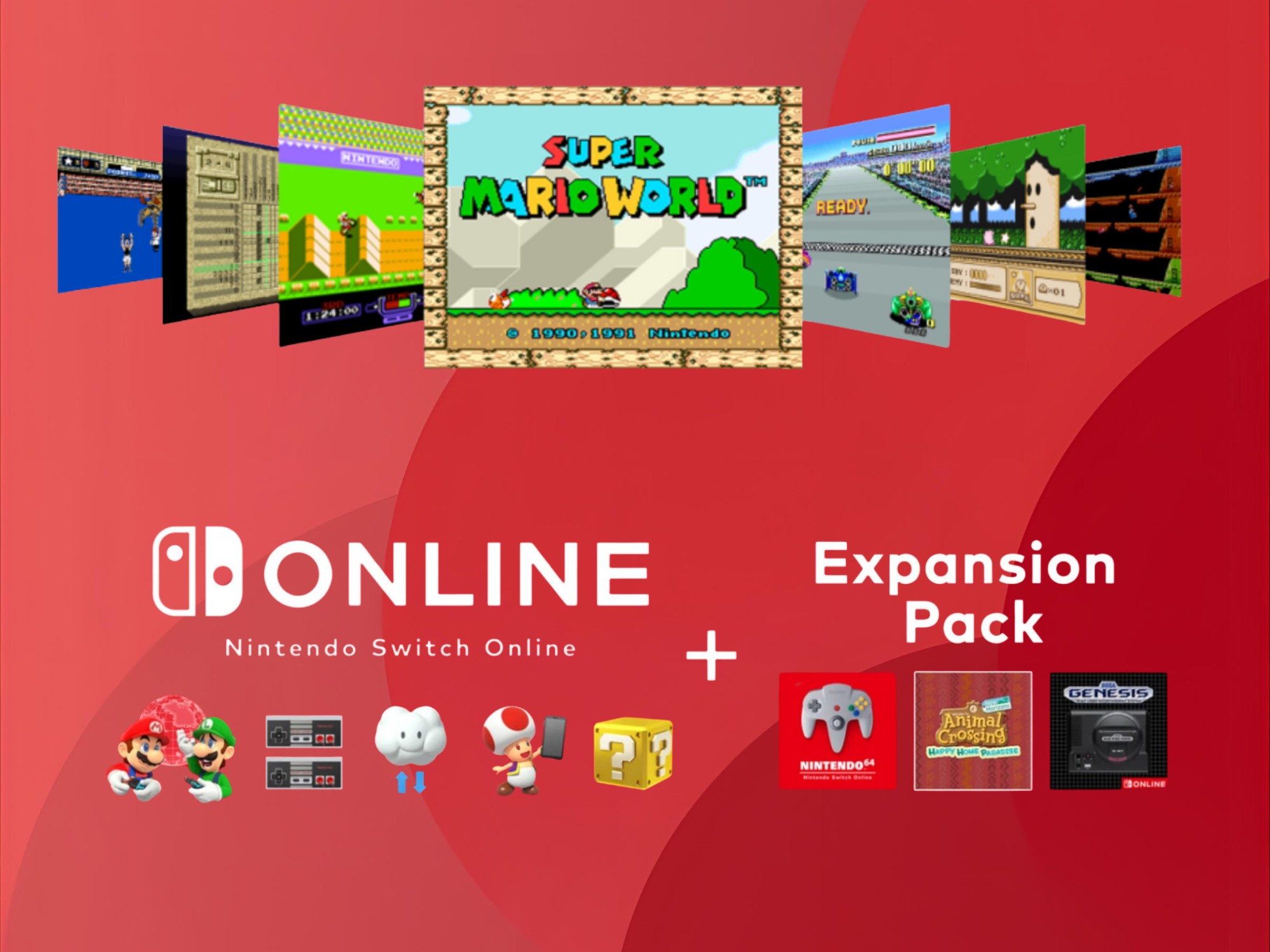
Virtual Console’s rise and sunset tell a clear story. It flourished on the Wii, then gradually wound down: Wii support ended in 2019, with the 3DS and Wii U storefronts closing in 2023. There were whispers that Virtual Console might come to the Switch, but Nintendo instead leaned into Nintendo Switch Online and the optional Expansion Pack.
That subscription model offers strong value for many players: essential online features and a rotating library of retro favorites delivered via system-specific apps. The trade-off is that access depends on an active subscription, and the lineup can change over time. By contrast, Virtual Console let players purchase and download titles to keep, resulting in a more permanent personal library and, at times, a broader selection available at once.
This difference sits at the heart of the current conversation. Game preservation advocates argue for permanent ownership, and those who grabbed titles on older hardware can still play their Virtual Console purchases today. Meanwhile, subscription services—popularized across the industry—provide companies with predictable revenue and a steady cadence of content additions, which is attractive from a business perspective. Collectors, however, maintain that digital ownership and especially physical media remain the gold standard for long-term access.
What would a renewed Virtual Console mean in 2025 and beyond? Even if the trademark is only defensive, its timing reminds everyone there’s demand for a purchase-and-keep option alongside subscriptions. For Nintendo, revisiting that model—whether as a parallel storefront or a hybrid approach within its current ecosystem—could appeal to preservation-minded players and collectors without sacrificing the convenience of a subscription library.
For now, all eyes are on the trademark’s progress. If anything changes, it could reshape how fans build and protect their classic Nintendo libraries on modern systems.


