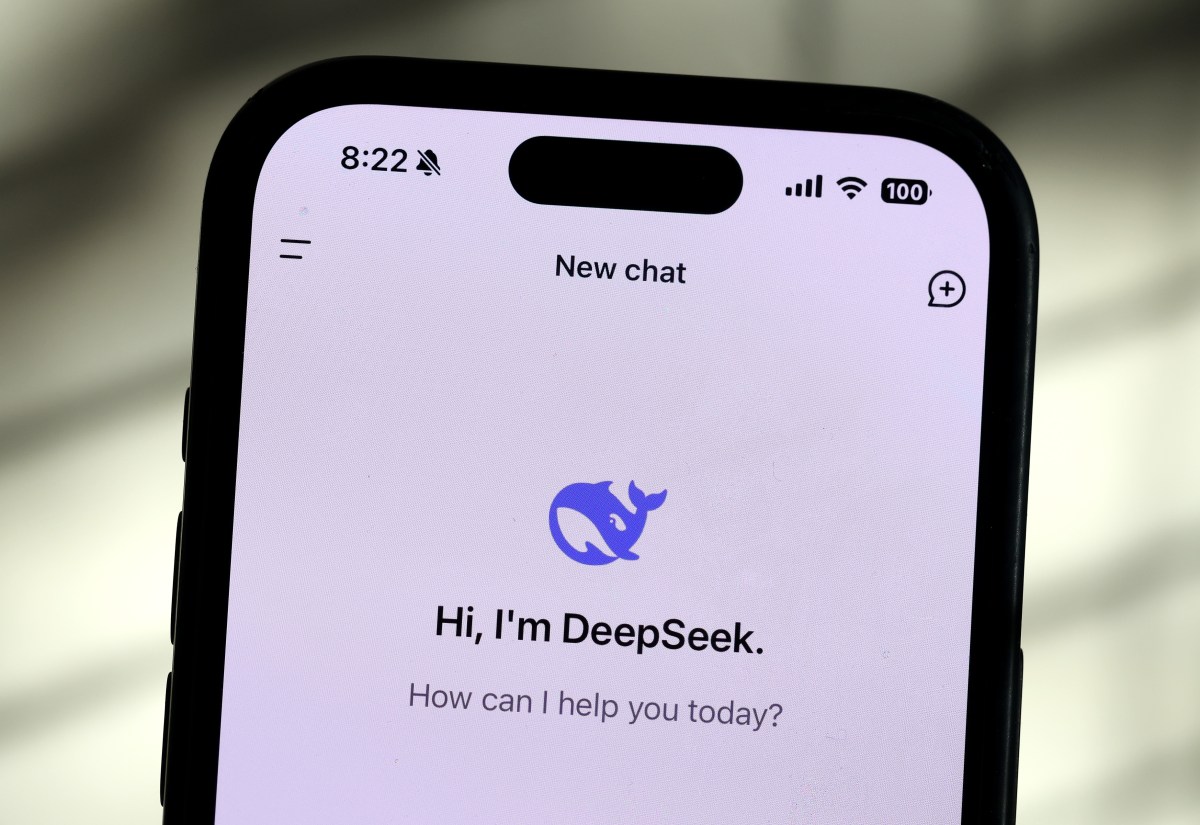
DeepSeek, a prominent Chinese AI company, is grappling with a series of formidable challenges. Already reeling from allegations of intellectual property theft, privacy concerns in Europe, and a massive cyberattack, the company now faces a new dilemma—a trademark conflict in the United States.
Recently, DeepSeek submitted an application to the U.S. Patent and Trademark Office (USPTO) to trademark its AI chatbot apps, products, and tools. However, they were beaten to the punch by Delson Group Inc., a Delaware-based company, which filed for the “DeepSeek” trademark just 36 hours earlier.
The Delson Group claims to have been marketing DeepSeek-branded AI products since early 2020. This company, registered in Cupertino, is led by Willie Lu, a graduate of Zhejiang University—just like DeepSeek’s founder, Liang Wenfeng. Lu presents himself as a “semi-retired” professor at Stanford and a former advisor to the FCC, with a career largely focused on the wireless industry. He has hosted “DeepSeek” courses in Las Vegas focused on “AI Super-Intelligence,” promoting his extensive experience in information and communications technology (ICT) and AI.
Trademark attorney Josh Gerben interpreted Delson Group’s actions as typical of a “trademark squatter,” a term used to describe entities that register trademarks with the intention of selling them later for a profit or leveraging a brand’s popularity. Delson Group has been embroiled in numerous trademark disputes with major organizations such as GSMA, Tencent, and TracFone Wireless.
DeepSeek finds itself in a precarious position. U.S. law generally favors the initial user of a trademark as its rightful owner. Gerben mentioned that unless DeepSeek can prove Delson Group registered the trademark in bad faith, their options are limited. If they can establish that their AI operations differ significantly from Delson Group’s, they might explore a coexistence agreement.
Delson Group holds several advantages. They filed first, claim an earlier usage date (2020 compared to DeepSeek’s 2023), and have an active website showcasing AI-related services and events. This puts DeepSeek at a disadvantage as it attempts to navigate this trademark challenge.
Complicating matters further, Delson Group could pursue a “reverse confusion” claim, arguing that DeepSeek’s growing notoriety might overshadow their brand. This could lead to legal action against DeepSeek for using its own brand name within the U.S.
The predicament echoes similar issues faced by other AI companies. For instance, OpenAI encountered obstacles when attempting to trademark “GPT” due to its perceived generic nature, in addition to ongoing litigation over the name “Open AI.”
This trademark carousel serves as a reminder of the intricacies and pitfalls in the rapidly evolving AI sector, where innovation meets the rigor of legal frameworks. As DeepSeek attempts to untangle itself from this web of challenges, the case underscores the importance of timely brand protection and understanding the complex landscape of intellectual property rights.