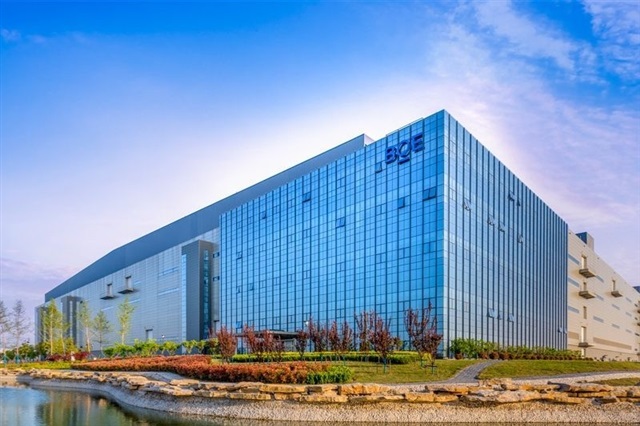
The US House Select Committee on Strategic Competition with the Chinese Communist Party has sparked major discussions with its recent recommendation to ban the import of OLED panels from BOE due to alleged patent infringements against Samsung Display. This move could potentially reshape the landscape of the display industry, especially benefiting South Korea’s display manufacturers.
Key figures, like John Moolenaar, the chair of this strategic committee, have been vocal about the need for the International Trade Commission (ITC) to enforce this ban. The primary concern is that continued reliance on BOE could increase US dependence on foreign technology critical to military applications, particularly when after accused of violating US intellectual property rights. There’s a deeper fear that this might embolden Chinese companies to disregard US patents without facing any consequences.
In the backdrop of these developments, BOE has rapidly grown with robust backing from the Chinese government, becoming a dominant force in providing OLED panels for a variety of applications ranging from TVs and smartphones to military technologies. However, Samsung Display has not taken these alleged infringements lightly and has been actively pursuing legal recourse. In December 2022, SDC filed a complaint with the ITC alleging that US distributors were selling OLED panels that infringed its patents, targeting companies like MobileSentrix and Gadget Fix.
The ITC, acting on these complaints, found BOE guilty of infringing several patents held by SDC in November 2024. Surprisingly though, this preliminary ruling did not include a ban on BOE’s imports. This protracted legal tug-of-war reflects the intensifying competition between South Korea and Chinese tech giants, which has been rife with allegations of intellectual property theft and aggressive market maneuvers.
The legacy of these confrontations traces back to notable incidents of alleged IP theft since 2018, highlighting a pattern where sensitive technologies have reportedly been leaked to Chinese manufacturers. Samsung’s cutting-edge folding screen technology, for example, was reportedly compromised, resulting in high-profile legal actions and industry ripples that continue to this day.
In a broader economic context, the decision of the ITC to act on this recommended import ban could severely constrain Chinese companies’ ability to export their OLED panels to the US, potentially crippling their technological growth and market share. This, in turn, could provide a substantial boost to South Korean manufacturers, potentially altering the competitive balance in the global technology landscape. The industry’s eyes remain fixed on the ITC’s impending decision, which could set a precedent for how intellectual property disputes between global giants play out in the tech sector.