Samsung recently achieved a groundbreaking victory against the Chinese display manufacturer BOE. Back in October 2023, Samsung launched a lawsuit with the US International Trade Commission (ITC), accusing BOE of misappropriating crucial trade secrets. Fast forward to July, and it’s reported that the ITC has sided with Samsung with a preliminary decision, anticipating a final ruling by November 2025.
If the decision is finalized, BOE could face an import ban of its displays into the US for an astonishing 14 years and 8 months. This move, described as “unprecedentedly severe,” would effectively halt all BOE display imports, significantly impacting the company’s operations in the US. This prohibition would also extend to BOE’s US subsidiaries. The reported reasoning behind this duration aligns with how long Samsung Display spent developing their cutting-edge OLED technologies.
For businesses aiming to import BOE panels during this period, a 100% bond could be mandatory, further complicating their operations and incurring substantial costs.
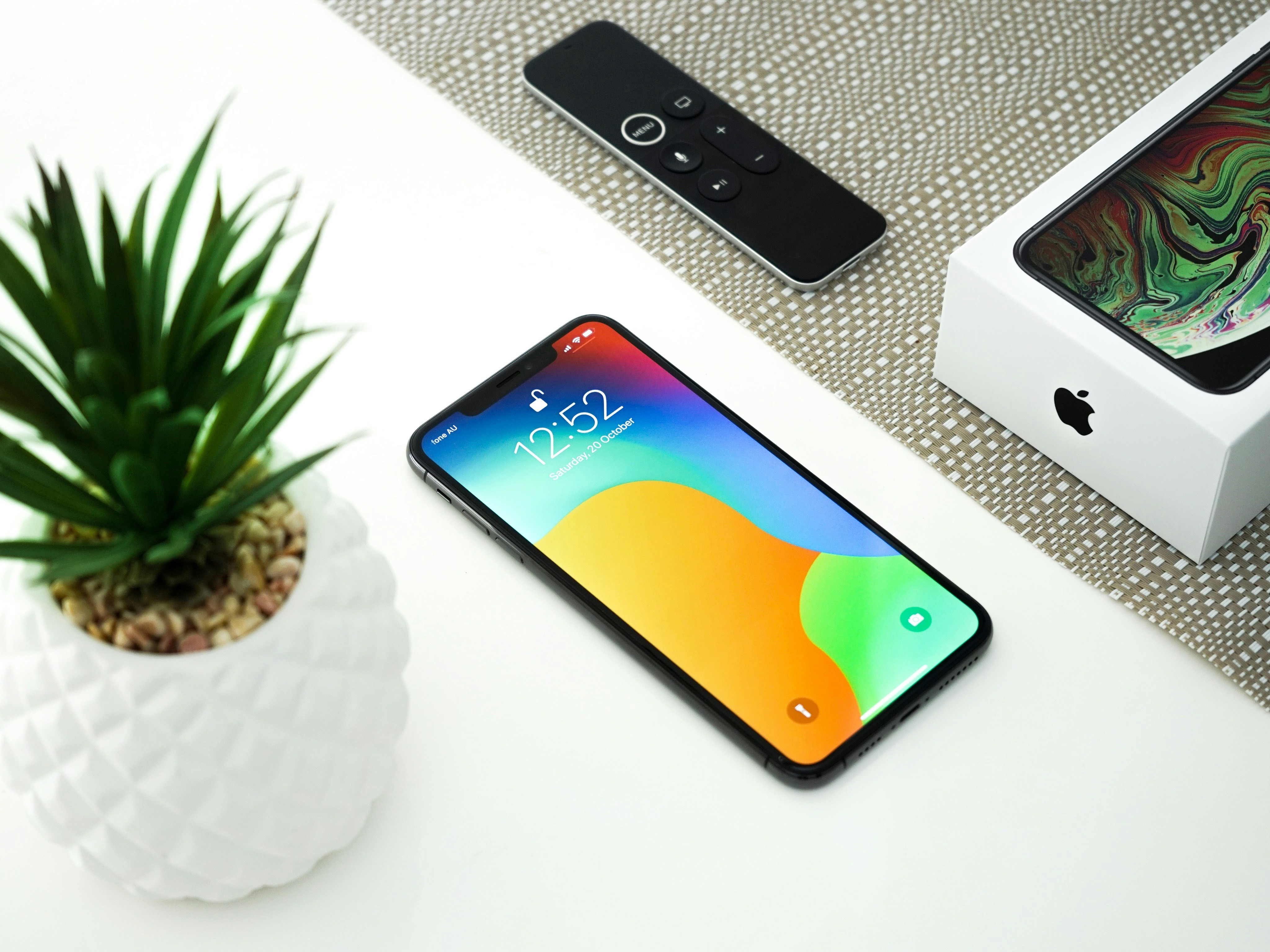
This potential ban has significant implications for tech giants like Apple and Google. Reports suggest that BOE is currently the supplier of OLED displays for Apple’s iPhone 17 and iPhone 17 Air. With these import restrictions looming, Apple may be forced to limit the sale of BOE-equipped iPhones to regions outside the US, like China. This shift could pose long-term challenges for Apple, as BOE is a major supplier for various models, including the iPhone 16e.
The ripple effect of this ban could also touch Google’s Pixel devices. The Pixel 8/8 Pro and Pixel 9/9 Pro models use a combination of OLED panels from Samsung and BOE. Although the primary suppliers for the upcoming Pixel 10 are yet to be confirmed, BOE’s involvement could mean potential disruptions in their supply chain.
Samsung and LG stand to benefit immensely from this ruling, enhancing their position in the OLED market. For Chinese brands like Vivo, Oppo, and Huawei, which have limited US presence, BOE will likely remain a key OLED supplier.
This development marks a significant shift in the tech landscape, underscoring the competitive dynamics between major display manufacturers and revealing the potential vulnerabilities within global supply chains.


