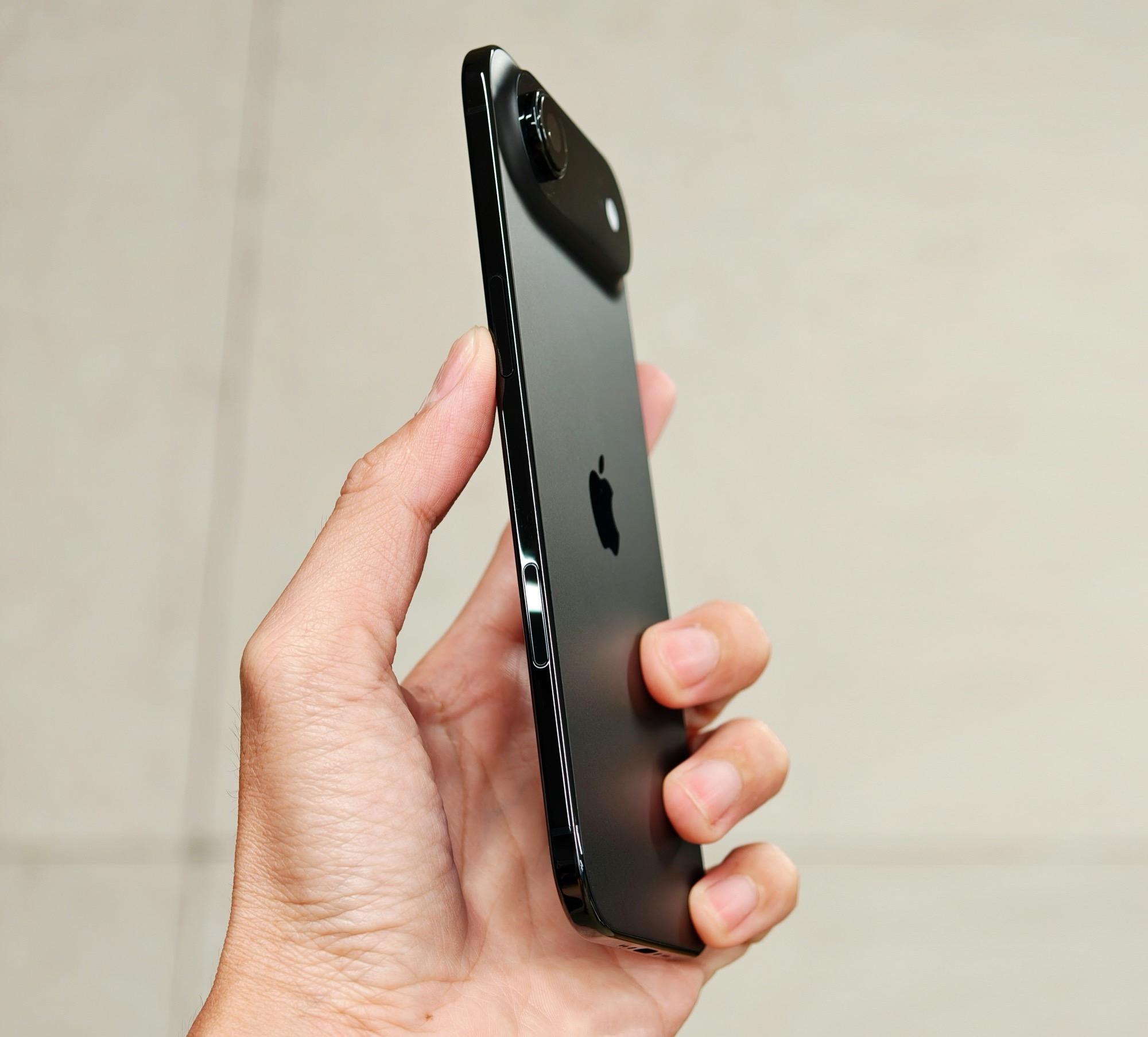
The latest iPhone lineup is off to a strong start. In the first ten days after launch, iPhone 17 series sales are up 14% compared to the same period for the iPhone 16 series last year. That early momentum suggests buyers are responding to meaningful upgrades, particularly on the standard model.
The standout story is the base iPhone 17. It’s enjoying a surge thanks to a long-awaited display upgrade: a 120Hz OLED panel with an always-on option. That higher refresh rate makes everyday interactions feel smoother, from scrolling and animations to gaming, while the always-on display brings glanceable info without waking the phone. On top of that, the entry storage tier has doubled to 256GB, a practical change that helps future-proof the device for apps, photos, and high‑resolution video.
Even with the base model’s big leap, the iPhone 17 Pro and iPhone 17 Pro Max still dominate the early sales mix, accounting for roughly 75% of total iPhone purchases so far. That split is typical right after launch, when enthusiasts and heavy users rush to secure the top-tier models with the most advanced features. Historically, the sales balance tends to even out as the launch window passes and mainstream shoppers weigh carrier deals, trade-ins, and seasonal promotions.
What makes this cycle interesting is how the standard iPhone 17 narrows the gap with its premium siblings in ways everyday users actually feel. A 120Hz display is one of the most visible upgrades you can give a phone, and pairing it with an always-on mode aligns the base model with features that were previously reserved for the highest-end variants. Doubling the base storage to 256GB also reduces buyer friction: fewer worries about running out of space and less need to upsell, which could encourage more people to choose the standard model with confidence.
For Apple, a stronger base model can broaden appeal without undermining the Pro lineup, which continues to attract early adopters and professionals. For shoppers, it means you no longer have to spring for a Pro just to get a premium screen experience and comfortable storage headroom. That combination of better value and tangible quality-of-life improvements is likely a key reason behind the 14% sales bump.
As the season progresses, watch for how the sales mix evolves beyond the initial wave of enthusiasts. If the iPhone 17’s upgraded display and larger storage continue to resonate, the lineup could see a more balanced distribution, with the standard model pulling in a larger share than usual. For anyone on the fence about upgrading, the takeaway is simple: this year’s base iPhone delivers a noticeably more premium experience, while the Pro and Pro Max remain the go-to for those who want the absolute best right out of the gate.


