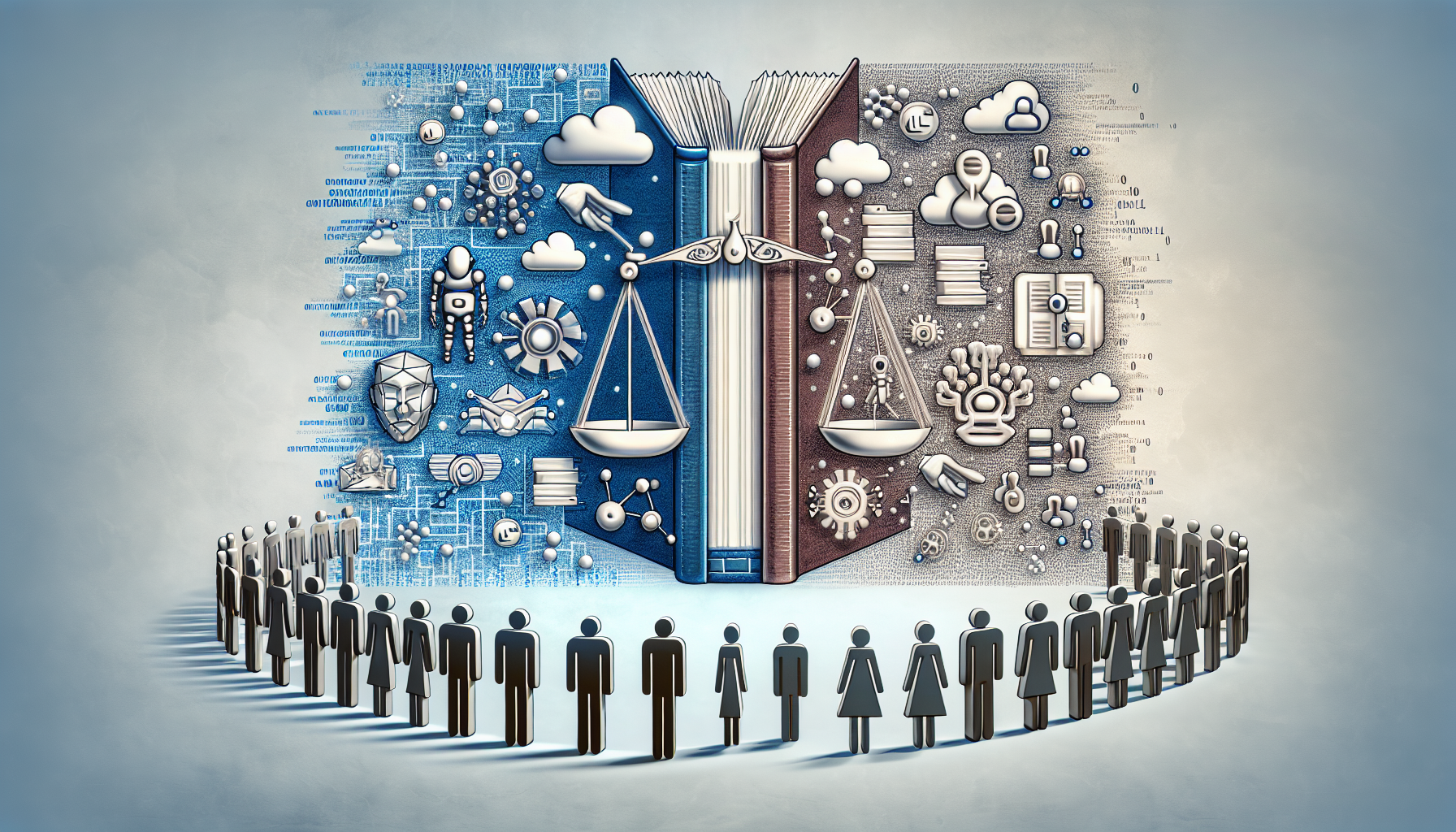
The U.S. Commerce Department is stepping up its oversight of artificial intelligence (AI) and cloud computing service providers with a new legislative proposal. This new initiative aims to increase the security measures these companies employ, particularly in safeguarding against cyberattacks.
As the competition in AI intensifies on both a domestic and global scale, the Department of Commerce is ramping up efforts to ensure the field’s security. Cloud computing services are also being included in this comprehensive proposal. According to Reuters, the regulatory body is suggesting detailed reporting requirements for developers of advanced AI and cloud computing providers. The primary objective is to guarantee that the technologies being developed are robust enough to withstand cyber threats.
The Bureau of Industry and Security is tasked with enforcing these new rules, which will necessitate mandatory reporting to the government from companies working with cutting-edge AI models and sophisticated computing clusters. These reports will need to outline the security measures in place to protect against cyberattacks. The intention behind this proposal goes beyond immediate security concerns. There are broader implications, such as preventing generative AI from disrupting elections, replacing human jobs, or even attempting to dominate humans—much like a sci-fi scenario out of “Terminator.”
While a similar AI regulation in California will only affect local entities, the success of the Department of Commerce’s new proposal would mean that all U.S.-based companies would need to comply. However, it may take some time for the specific rules to be fully articulated, allowing major corporations like Amazon and Microsoft to adjust their internal procedures accordingly.
For those interested in delving deeper into this evolving field, Lisa Carter’s book, “The Cloud Computing Revolution: From Virtualization to Automation,” offers valuable insights and is available for purchase in both Kindle and paperback formats.
Understanding the complexities and potential future trajectory of AI and cloud computing is becoming increasingly critical as regulatory frameworks tighten and the technologies continue to advance at a rapid pace. The intersection of innovation and regulation will likely shape the landscape for years to come.