Naver Explores Brookfield-Led Funding Model for US$10 Billion AI Data Center Expansion
Naver is reportedly evaluating a major new financing structure for its next wave of artificial intelligence infrastructure, as demand for high-performance data centers continues to surge across Asia. The South Korean internet and technology giant is considering an asset-light model for a data center expansion that could reach around US$10 billion in value.
Under the proposed structure, an investment vehicle led by Brookfield would own key infrastructure assets, including GPUs and other essential computing equipment. Naver would then use the infrastructure to support its fast-growing AI and cloud ambitions without carrying the full cost of ownership on its own balance sheet.
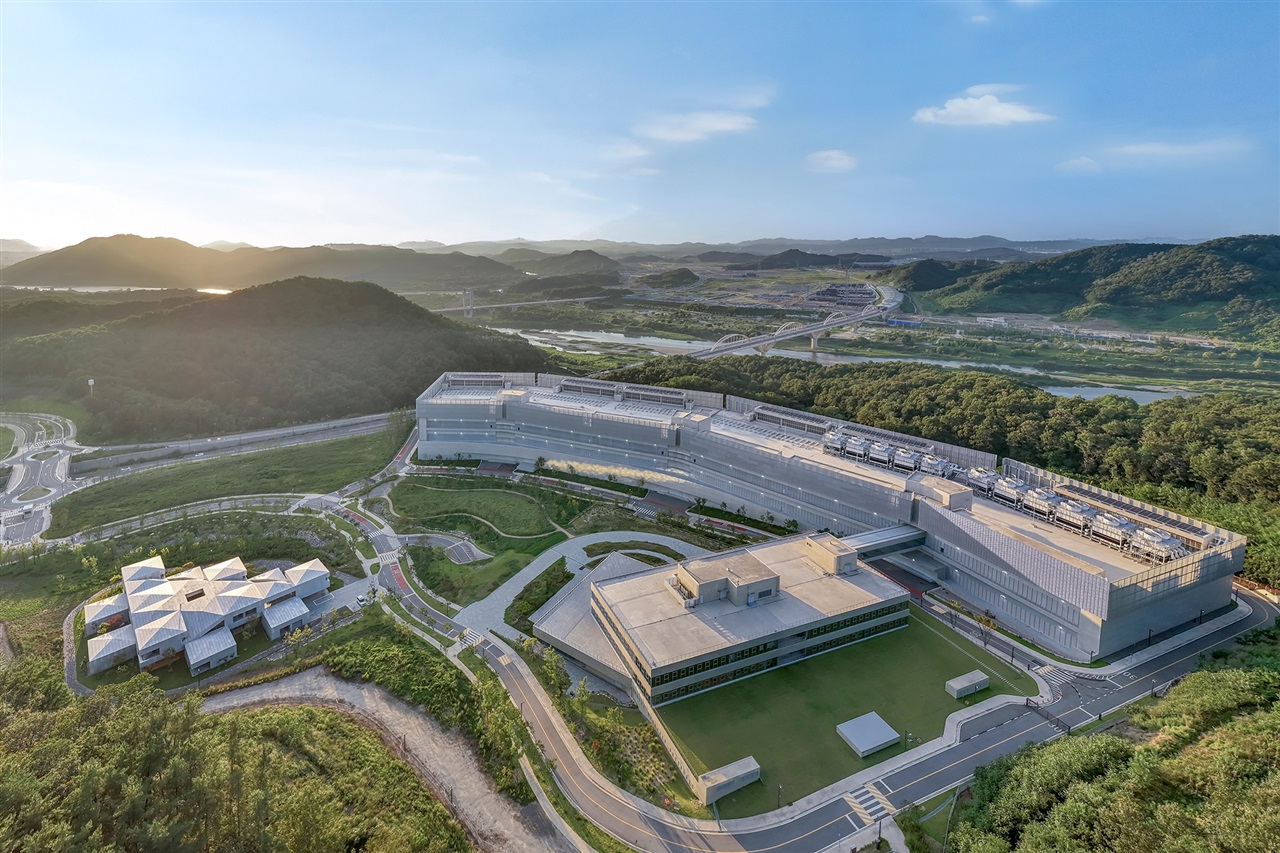
The first phase of the project is expected to be hosted at Naver’s GAK Sejong data center, one of the company’s most important digital infrastructure sites. This facility is set to play a central role in the company’s planned 200MW expansion, giving Naver more capacity to run AI workloads, cloud services, large-scale data processing, and next-generation digital platforms.
The move reflects a broader shift in the global data center industry. As artificial intelligence adoption accelerates, companies need enormous amounts of computing power, especially advanced GPUs capable of training and running large AI models. However, building and operating AI-ready data centers requires huge upfront capital, access to power, cooling systems, networking equipment, and long-term infrastructure planning.
By pursuing an asset-light strategy, Naver could expand more quickly while reducing the financial burden of directly owning every part of the infrastructure stack. This type of model is becoming increasingly attractive for technology companies that want to scale AI services while keeping capital flexible for software development, research, product expansion, and global growth.
Brookfield’s involvement would also highlight the growing interest of large infrastructure investors in AI data centers. With digital services becoming more power-intensive, data centers are no longer viewed simply as real estate assets. They are now critical infrastructure for artificial intelligence, cloud computing, online platforms, digital commerce, cybersecurity, and enterprise automation.
For Naver, the expansion could strengthen its position in the competitive AI market. The company has been investing heavily in cloud technology, search, commerce, robotics, and generative AI. More computing capacity would allow it to support larger AI models, improve service reliability, and meet rising demand from businesses looking for advanced cloud and AI solutions.
The GAK Sejong data center is particularly important because it is designed to support large-scale, energy-intensive workloads. As the first phase of the 200MW plan, it could become a foundation for Naver’s long-term AI infrastructure roadmap. The project may also support South Korea’s wider goal of becoming a stronger player in global artificial intelligence and cloud computing.
The potential US$10 billion expansion comes at a time when data center investment is booming worldwide. Technology companies, cloud providers, chipmakers, and institutional investors are racing to secure capacity as AI applications become more common in search, productivity tools, enterprise software, gaming, media, finance, healthcare, and manufacturing.
Power availability is becoming one of the biggest challenges for the industry. AI data centers require significantly more electricity than traditional server facilities, making energy planning a crucial part of any expansion. A 200MW project would represent a substantial increase in computing capacity and would require careful coordination around power supply, cooling, sustainability, and operational efficiency.
While the structure has not been finalized, the discussions suggest that Naver is looking for a scalable way to fund its AI infrastructure ambitions. If completed, the deal could become one of the most notable data center investment arrangements in South Korea’s technology sector.
For readers following artificial intelligence, cloud computing, and data center investment, Naver’s plan is another sign that the AI infrastructure race is intensifying. Companies that can secure advanced GPUs, reliable power, and large-scale data center capacity will be better positioned to compete in the next phase of digital growth.
Naver’s possible partnership with a Brookfield-led investment vehicle could give the company a faster path to expansion while allowing investors to gain exposure to one of the most important trends in technology: the rapid rise of AI-powered infrastructure.