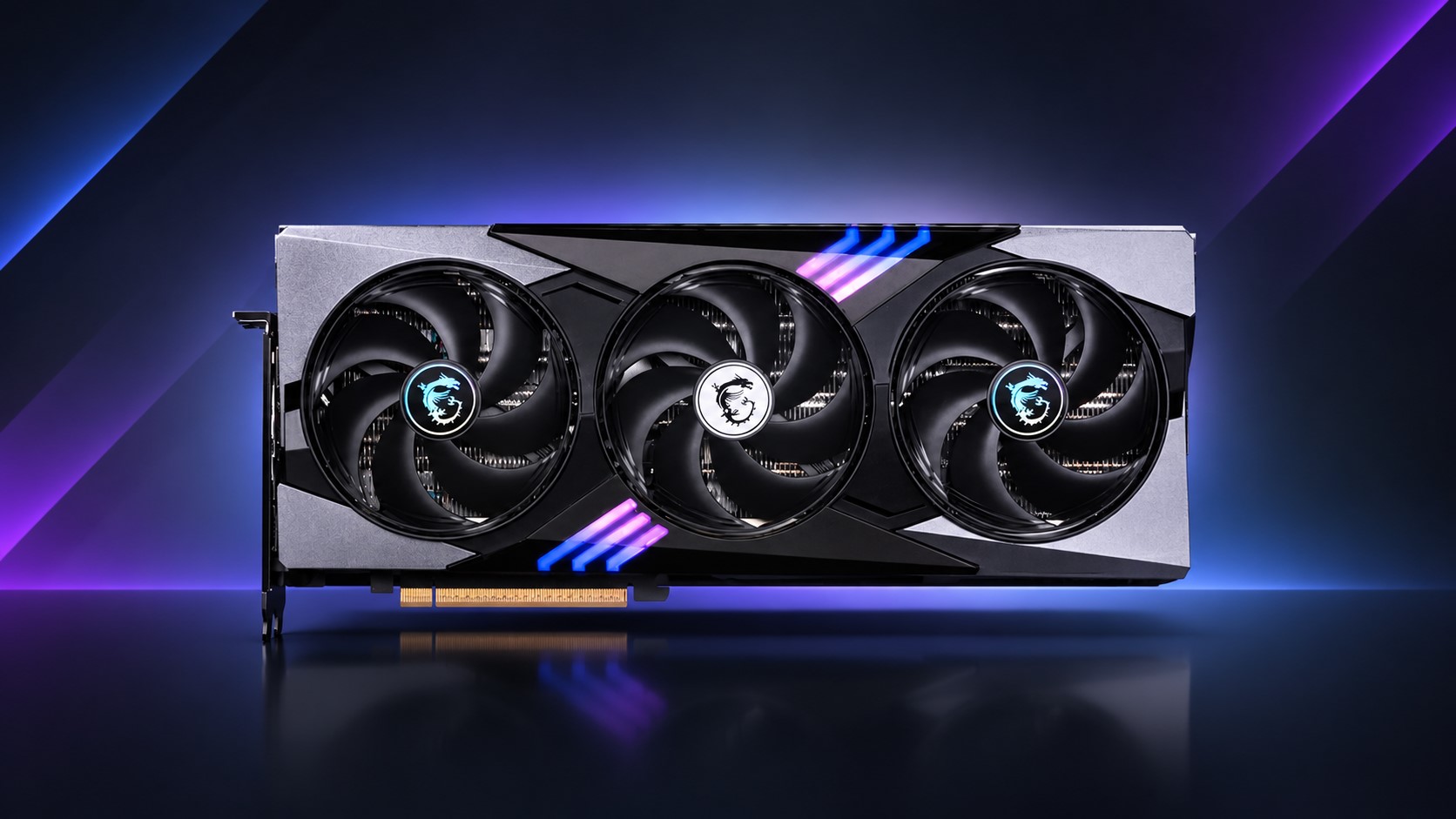
MSI RTX 50 Series GPU Prices Could Surge, With RTX 5080 Facing Up to $1,200 Increase
MSI graphics cards based on NVIDIA’s GeForce RTX 50 series may be heading for a major price jump this month, and the numbers being reported are large enough to worry PC gamers, content creators, and anyone planning a high-end PC build.
According to supply chain chatter, MSI is preparing new price adjustments across several GeForce RTX models, with the biggest increases aimed at the upper-end cards. The GeForce RTX 5080 appears to be the hardest hit, with a reported price hike ranging from 1,300 yuan to 8,000 yuan. That works out to roughly $194 to $1,200, depending on the specific model and market.
If accurate, this would be one of the most aggressive graphics card price increases seen this year. The RTX 5080 is already selling at extremely high prices in several regions, with some listings nearing $2,000. A further increase could push certain premium RTX 5080 models close to the $3,000 mark, making the card far less accessible for many buyers.
The situation is being made worse by the limited availability of NVIDIA’s flagship GeForce RTX 5090. In many markets, the RTX 5090 remains difficult to find, and where it is available, prices can be wildly inflated. That has pushed more buyers toward the RTX 5080, increasing demand for a card that may now become significantly more expensive.
The GeForce RTX 5070 Ti is also expected to see a steep increase. Reports suggest MSI could raise prices by 800 yuan to 4,000 yuan, or around $120 to $600. With some RTX 5070 Ti models already approaching $1,500 at retail, this adjustment could push higher-end versions toward or beyond the $2,000 range.
The standard GeForce RTX 5070 may receive a smaller but still noticeable price rise. The expected increase is said to be between 500 yuan and 1,000 yuan, equal to roughly $75 to $150. Even that is not minor, especially since RTX 5070 cards are already being listed near $1,000 in some stores.
Lower-tier RTX 50 series cards are not completely safe either. The GeForce RTX 5060 Ti may increase by around 200 yuan to 400 yuan, or about $30 to $60. The GeForce RTX 5060 could rise by 200 yuan to 500 yuan, translating to roughly $30 to $75.
Surprisingly, even older-generation cards are being affected. The GeForce RTX 3050 is reportedly receiving a smaller price increase of about 100 yuan, or around $15. While that may not sound dramatic compared to the RTX 5080 or RTX 5070 Ti, it shows that rising costs are not limited to the latest high-performance GPUs.
The reported MSI GPU price increases are as follows:
GeForce RTX 5080: approximately $194 to $1,200 higher
GeForce RTX 5070 Ti: approximately $120 to $600 higher
GeForce RTX 5070: approximately $75 to $150 higher
GeForce RTX 5060 Ti: approximately $30 to $60 higher
GeForce RTX 5060: approximately $30 to $75 higher
GeForce RTX 3050: approximately $15 higher
The main reason behind these rising GPU prices appears to be higher component costs, especially memory. VRAM prices have been climbing, and graphics cards are particularly sensitive to those changes. As newer GPUs require faster and more expensive memory, manufacturing costs can rise quickly. Those costs are often passed down to retailers and, eventually, to buyers.
This is bad news for the PC hardware market. Graphics cards have already become one of the most expensive parts of a gaming PC, and these latest increases could make upgrades even harder to justify. Gamers waiting for RTX 50 series prices to stabilize may now face the opposite situation, with prices moving higher instead of coming down.
The timing is also frustrating for buyers. Many people delayed upgrading during previous price spikes, hoping the next generation of GPUs would bring better value. Instead, the RTX 50 series launch period has been affected by limited supply, strong demand, and rising production costs.
If MSI moves forward with these increases, other major graphics card manufacturers may follow. Price changes from one large board partner can influence the wider market, especially when the reason is tied to shared component costs. That means buyers could soon see higher prices across multiple brands, not just MSI.
For now, anyone planning to buy an RTX 5080, RTX 5070 Ti, RTX 5070, RTX 5060 Ti, or RTX 5060 may want to monitor pricing closely. If these adjustments reach more regions, the cost of building a high-performance gaming PC could rise sharply in the coming weeks.
The GPU market has seen many price swings over the past few years, but this latest round of reported increases suggests that affordable graphics cards may remain difficult to find. Unless supply improves or component costs cool down, premium GPUs could continue drifting further out of reach for everyday PC gamers.


