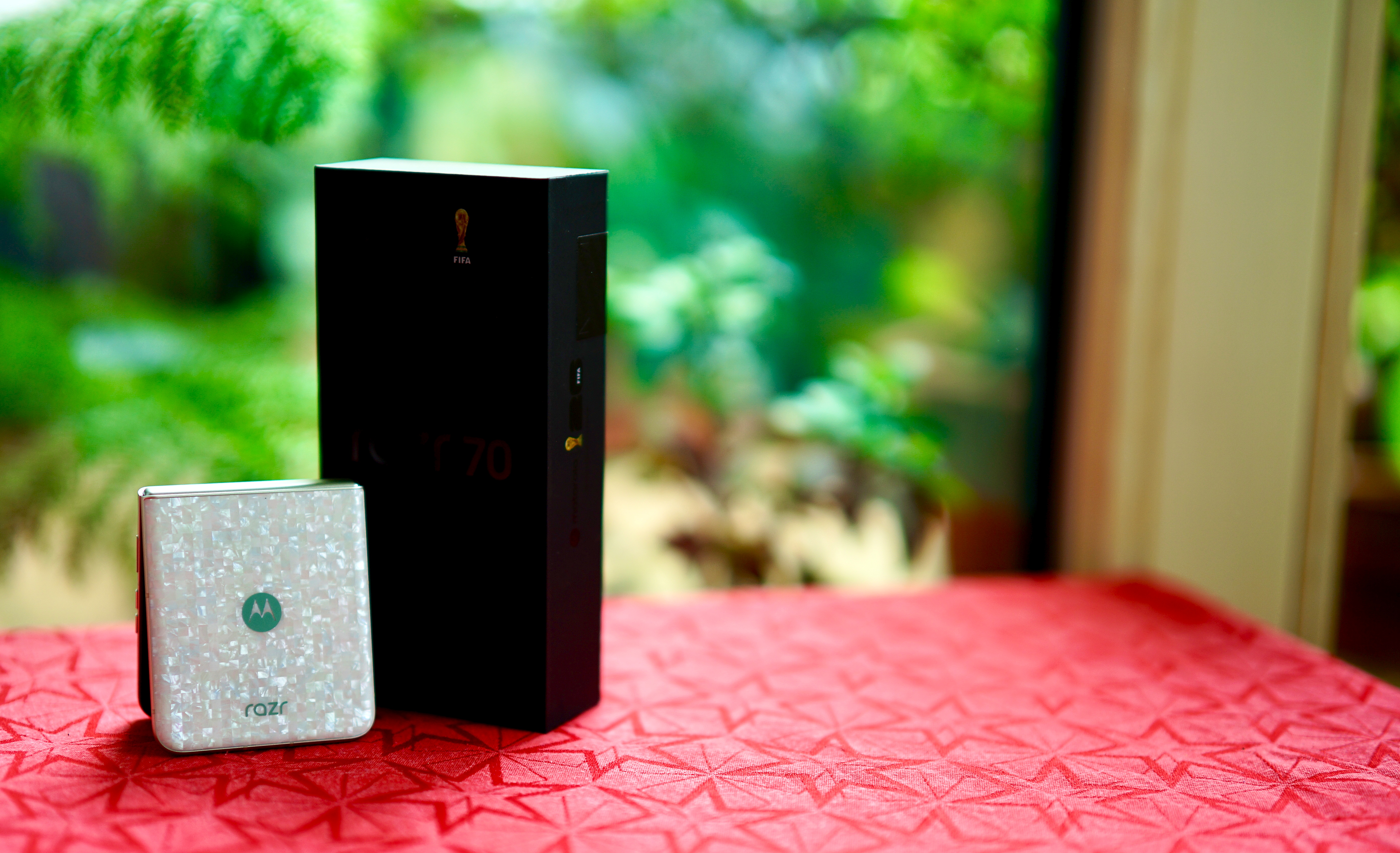
Motorola has made progress in recent years, but the company is once again raising concerns with its software update strategy. The Motorola Razr 70 is a premium foldable smartphone with a stylish design, modern hardware, and Android 16 pre-installed, yet its long-term software support falls behind what many buyers now expect from a high-end device.
For a phone positioned in the premium foldable category, the update promise feels limited. Motorola says the Razr 70 will receive four years of security updates and three major Android version upgrades. That means users should receive security support until 2030, with updates expected every two months.
On paper, that sounds reasonable. In practice, it may not be enough for people who plan to keep their phone for five years or longer.
The biggest issue is not that Motorola offers no support. The issue is that rivals have moved much further ahead. Samsung now typically promises up to seven years of updates for its Galaxy Z foldables, while Google also offers extended software support for Pixel phones. Against that backdrop, the Motorola Razr 70’s four-year security update policy looks less competitive.
This matters because software updates are no longer just a bonus feature. They are a major part of the value of a smartphone. Security patches help protect personal data, banking apps, work accounts, photos, and private messages from newly discovered threats. Once updates stop, a phone can become riskier to use, even if the hardware still works perfectly.
The Razr 70 may be especially difficult to recommend for business users. Companies often need longer software support windows to meet internal security policies or compliance standards. A foldable phone that loses official security updates sooner than competing models may not fit well into enterprise environments.
There is also a question around update timing. Motorola states that security patches should arrive every two months, but early review units have reportedly shown patches that were already several months old. If that becomes a pattern, it could make the update promise feel even weaker.
The situation is more frustrating because the Motorola Razr 70 is not a budget phone. It is a premium foldable, and buyers in this price range increasingly expect long-lasting software support. A device can have great cameras, a refined hinge, a bright display, and strong performance, but if its update policy is shorter than the competition, long-term value takes a hit.
European regulations may also add pressure on manufacturers to support devices for longer periods. Motorola appears to be taking its own interpretation of those requirements, but the broader direction of the market is clear: users are keeping phones longer, and software support is becoming just as important as hardware specifications.
So, is the Motorola Razr 70 still worth buying?
For users who upgrade every two or three years, the limited update promise may not be a dealbreaker. The phone launches with Android 16, should receive three major Android upgrades, and will continue getting security patches for several years. If you mainly care about the foldable design, Motorola’s software experience, and short-to-medium-term ownership, the Razr 70 can still be appealing.
However, for anyone planning to keep a phone for five years or more, the Razr 70 is harder to recommend. Its software support simply does not match the strongest competitors in the premium smartphone market.
The Motorola Razr 70 may be a stylish and capable foldable, but its update policy leaves an important question unanswered: why should a premium phone not receive premium-level long-term support?