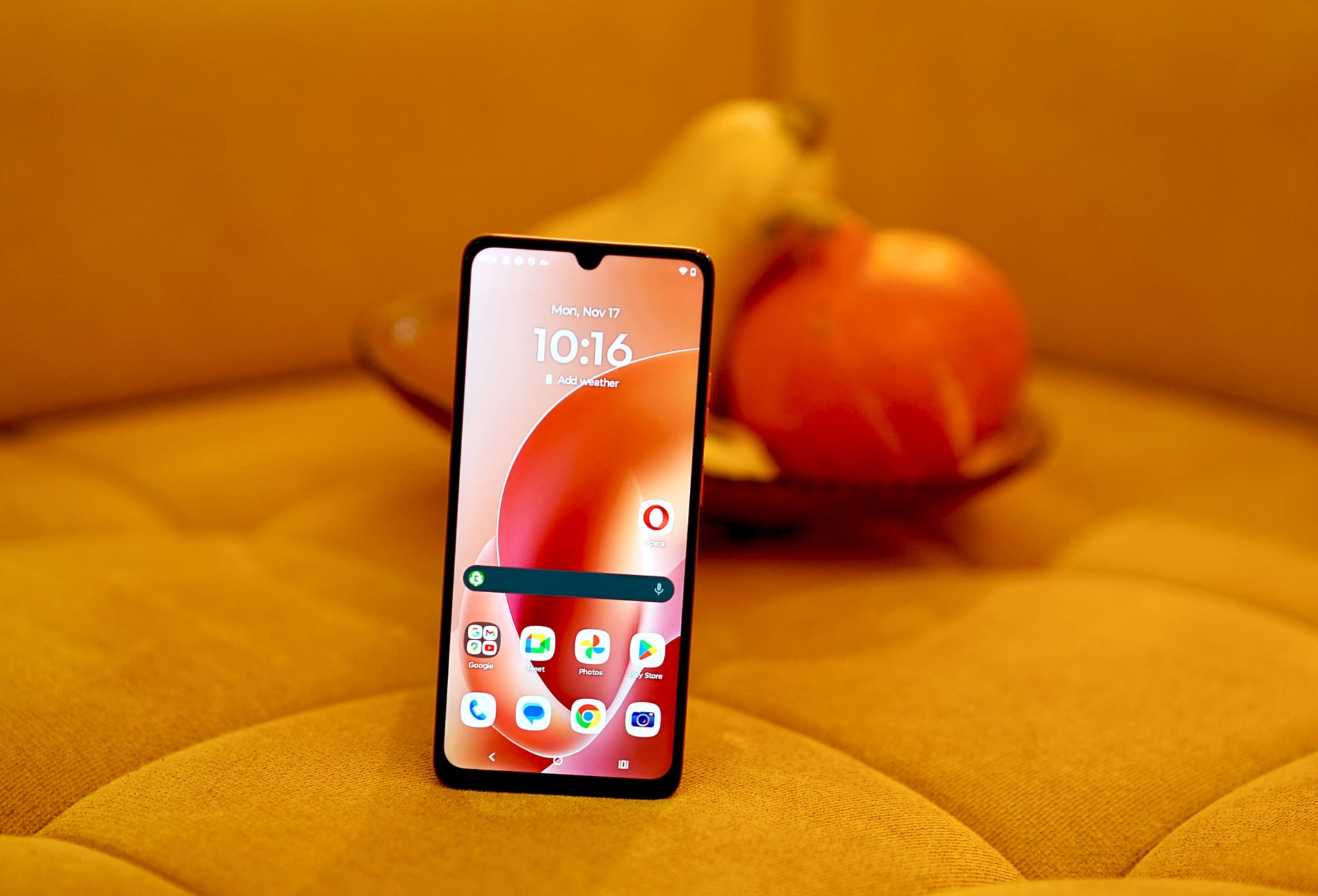
Motorola’s Moto G06 delivers impressive value for around €100, but its limited two-year software support could clash with Europe’s new update rules—and that’s raising eyebrows across the industry.
The backdrop is simple: the EU wants smartphones to stay secure and usable for a long time, reducing e-waste and protecting consumers. A regulation introduced in June 2025 sets clear expectations for long-term support, stating that software updates should remain available for five years after a device stops being sold. There’s no carve-out for ultra-cheap models.
Motorola appears to be reading the rules differently. The company’s legal stance reportedly argues that the regulation doesn’t force manufacturers to release updates at all—it only requires that any updates they do offer must be free. That interpretation is unusual, especially since no mainstream brand charges for security patches in the first place. The result is a looming standoff over what compliance really means.
The Moto G06 puts this tension in sharp focus. It’s a budget-friendly Android phone that gets a lot right: a sturdy chassis, a surprisingly bright display, and the core features most buyers need. But promising only two years of updates in a market shifting toward extended support looks risky. Rivals have raised the bar, with companies like Google and Samsung now committing up to seven years of updates on many devices. Shorter support windows can hurt consumer trust, resale value, and long-term performance—especially for users who rely on banking apps, smart home security, and other services that expect current security patches.
At the same time, there’s a practical reality: building and maintaining updates isn’t free. Every device needs tailored drivers and testing to ensure stability and compatibility. For a handset that costs less than a night out, long-term software maintenance squeezes margins. Still, a law is a law. The EU’s framework doesn’t make exceptions based on price, and consumers benefit when their phones remain secure for years.
What this means for buyers
– If you’re considering the Moto G06, weigh its strong hardware value against its shorter update promise.
– Security patches are the most important updates; two years may be fine for light users, but those planning to keep a phone longer should factor in support length.
– Competing devices with longer update commitments might offer better total value over time, even if they cost more upfront.
What this means for Motorola
– A strict reading of the EU rule suggests five years of updates after sales end, which conflicts with a two-year roadmap.
– Pushing a legal loophole could invite scrutiny and erode trust, especially when competitors advertise extended support as a major selling point.
– Aligning with EU expectations would make the Moto G06 even more compelling in the budget bracket.
There’s also chatter that some brands may treat their most affordable lines differently, potentially looking for gray areas in the regulatory language. But the direction of travel is clear: longer software support is becoming a baseline expectation in Europe.
Bottom line: the Moto G06 is a well-built, surprisingly polished budget phone whose biggest drawback sits on the software side. If Motorola embraces extended updates in line with EU rules, it could turn a good deal into a standout choice. If not, bargain hunters may still love the hardware, but cautious buyers—and regulators—will be watching the update policy closely.