Memory Chip Prices Set for Another Sharp Surge as DDR4, DDR5, and SLC NAND Supply Tightens
The global memory chip market is heading into another difficult stretch, with fresh projections pointing to steep price increases for both older and newer memory technologies. According to recent forecasts from Morgan Stanley, the supply squeeze affecting mature DRAM and NAND products is expected to intensify, putting further pressure on manufacturers, device makers, and ultimately consumers.
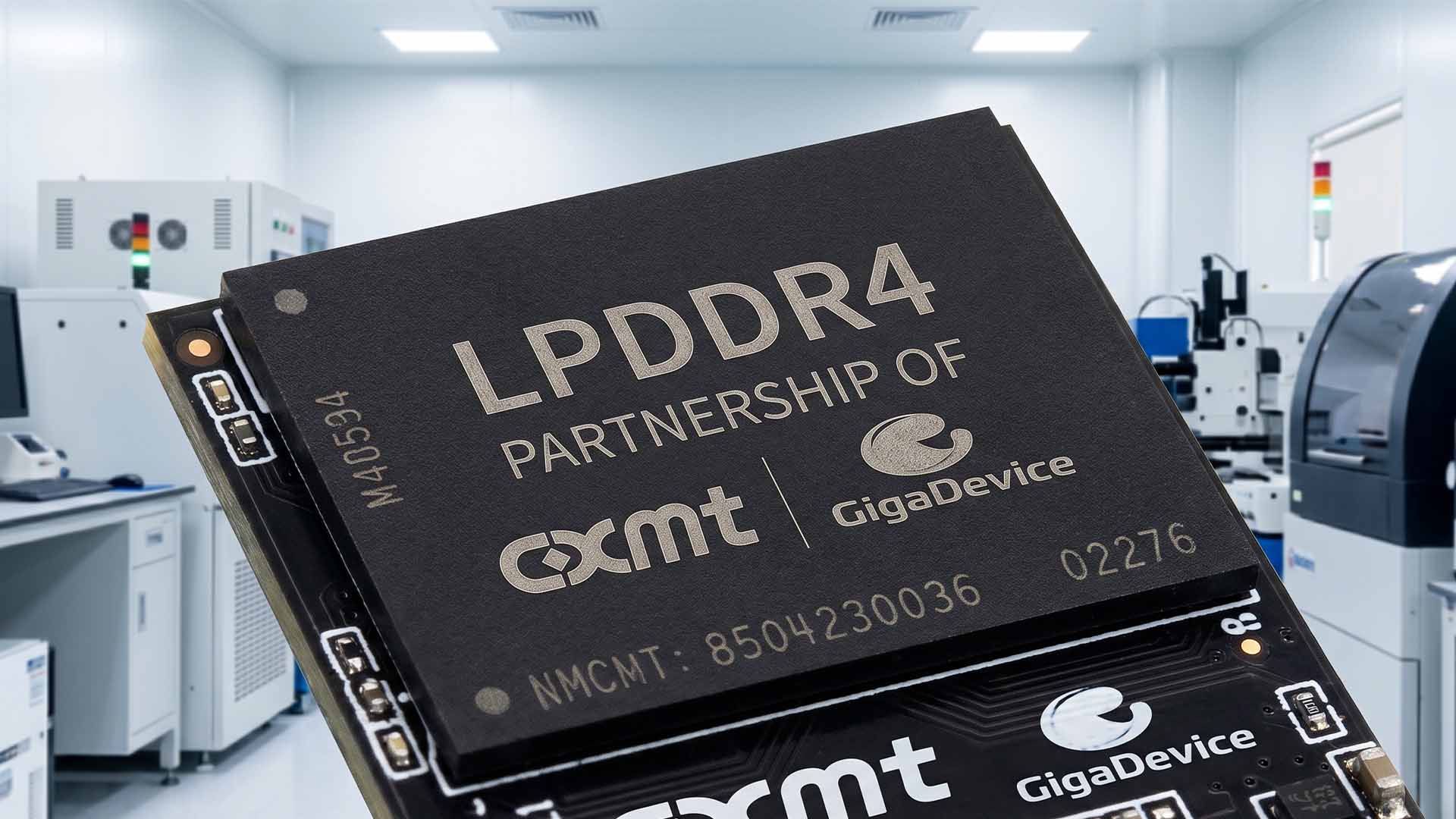
The biggest concern is the outlook for DDR4 and SLC NAND. Morgan Stanley expects DDR4 prices to climb by around 50 percent in the third quarter of 2026, followed by another increase of more than 10 percent in the fourth quarter. SLC NAND could see an even more dramatic jump, with prices projected to rise by more than 50 percent in both the third and fourth quarters.
This is not simply a short-term demand spike. The tightening market appears to be largely supply-driven. Major memory producers have been moving more wafer capacity toward newer and more profitable technologies, including HBM, DDR5, and higher-layer NAND. As a result, production capacity for older memory types such as DDR4 and SLC NAND is shrinking, even though demand for these components remains strong in many industries.
DDR4 may no longer be the newest memory standard, but it is still widely used in servers, PCs, embedded systems, networking equipment, industrial devices, and consumer electronics. SLC NAND also remains important in applications where reliability and endurance matter more than raw storage density. When supply for these mature products tightens, buyers often have fewer alternatives, which can push prices up quickly.
A major factor behind the shift in production priorities is the explosive demand for high-bandwidth memory, commonly known as HBM. This advanced memory is essential for artificial intelligence accelerators, data center GPUs, and other high-performance computing hardware. As AI infrastructure spending continues to grow, memory manufacturers are dedicating more resources to HBM production.
HBM is also more wafer-intensive than conventional DRAM. It can require roughly three times as many silicon wafers due to its complex stacked design and the manufacturing challenges involved. One key issue is that memory cells cannot be placed too close to the through-silicon vias that connect the stacked layers, reducing usable area and increasing wafer demand.
The demand outlook for HBM remains extremely strong. UBS has projected that NVIDIA alone could consume about 25.1 billion gigabits of HBM in 2027, out of an estimated industry total of around 61.5 billion gigabits. That level of demand helps explain why memory suppliers are prioritizing HBM over older DRAM products.
At the same time, DDR5 prices are continuing to climb. Bank of America reported that spot prices for DDR5-5600 and DDR5-6400 24GB memory rose by about 8 percent month over month in August. On a year-over-year basis, that represents an increase of roughly 483 percent.
The scale of the price movement is striking. A 24GB DDR5 chip that traded around $8 in mid-2025 is now approaching the $47 level. That sharp rise shows that the pricing pressure is not limited to older memory categories. Even newer memory products remain expensive as supply struggles to keep up with demand from PCs, servers, AI systems, and data centers.
For consumers, this could mean higher prices for memory modules, laptops, desktops, servers, and storage-related products. For businesses, the impact may be even broader, especially for companies that rely on large hardware deployments or embedded systems using DDR4 and SLC NAND.
The memory market has always been cyclical, but the current cycle is being shaped by a powerful structural shift. AI hardware demand is pulling production capacity toward premium memory technologies, while mature memory supply is being squeezed. If these forecasts play out, buyers may face higher costs and tighter availability across multiple memory categories through the rest of 2026.
In short, the memory chip market is entering a period where both legacy and next-generation products are becoming more expensive at the same time. With DDR4, SLC NAND, DDR5, and HBM all caught in a shifting supply landscape, the pressure on global electronics pricing may continue to build.